
Tools
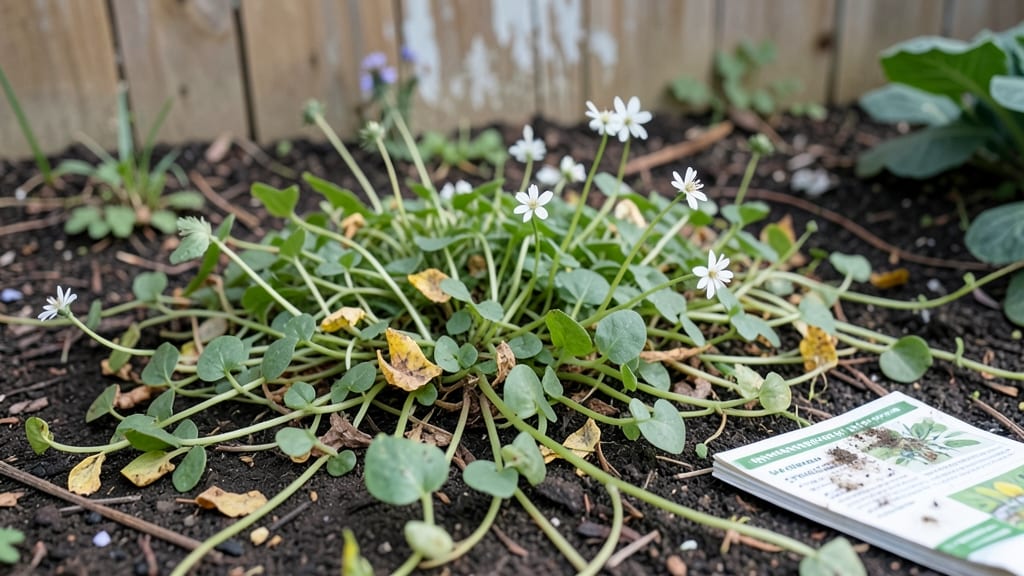
Identifying garden weeds starts with knowing the 15 most common invaders that steal nutrients and crowd out your plants. I’ve spent years pulling these stubborn plants from my garden beds, and the first step to winning the battle is recognizing them before they take over.
A single broadleaf with jagged edges might look like a young tomato, but those serrated leaves and rapid growth are dead giveaways it’s a pigweed—not a plant you want in your salad. The key is noticing the details: leaf shape, flower structure, and how they grow compared to your vegetables.
Most weeds have one thing in common—they grow fast and spread aggressively, often before you realize they’re there. Dandelions send up their bright yellow blooms while your lettuce wilts, and crabgrass forms dense mats that choke out seedlings.
But not all weeds are bad: some, like clover, fix nitrogen in the soil and actually improve your garden. The trick is learning which ones to pull immediately and which ones might even help your plants thrive.
A magnifying glass or a good weed-identification app can be your best friend when you’re staring at a mysterious green intruder.
Once you spot them, you’ll want to act fast. Pulling weeds when they’re small prevents them from developing deep roots, and a sharp hoe can slice through their stems before they seed.
For stubborn perennial weeds like bindweed, a targeted spray of vinegar or a few layers of cardboard mulch can break their cycle. The goal isn’t perfection—it’s reducing their numbers so your garden can focus on growing what you planted.
With practice, you’ll spot a weed before it becomes a problem, and your garden will thank you with stronger, healthier plants.
This guide covers the visual clues you need to tell apart the most common weeds, from the fuzzy leaves of lamb’s quarters to the spiky seed heads of milkweed.
Whether you’re dealing with a vegetable patch, flower beds, or a lawn, knowing these plants by sight means you’ll spend less time guessing and more time enjoying your garden.
Let’s make weed identification your first line of defense—so you can spend your weekends tending to your plants, not their unwanted guests.
The Hidden Triggers Behind Weeds
Weeds don’t just appear out of nowhere—they thrive because of specific conditions in your garden. Understanding these triggers helps you prevent and control them before they take over. Here’s why unwanted plants keep showing up in your green space.
Weeds love fertile, loose soil—just like your prized plants. But unlike your cultivated flowers or veggies, weeds adapt quickly to disturbed or nutrient-rich soil. Here’s why:
- Disturbed Soil: Digging, tilling, or even walking on garden beds breaks up the soil, creating gaps where weed seeds can sprout. Example: After planting a new flower bed, you might notice a surge in weeds because the soil was disrupted.
- High Nutrient Levels: Weeds like dandelions and crabgrass thrive in soil packed with nitrogen and organic matter. If your compost or fertilizer is too rich, weeds get a head start.
- Poor Drainage: Waterlogged or compacted soil suffocates desirable plants but encourages weeds like creeping Charlie (Glechoma hederacea), which spreads aggressively in moist conditions.
Actionable Fix: Test your soil’s pH and nutrient levels (aim for a balanced 6.0–7.0 pH). Use mulch (straw, wood chips) to suppress weeds and retain moisture without over-fertilizing.
Weeds are opportunistic survivors, and water is their lifeline. Here’s how moisture plays a role:
- Overwatering: Frequent, shallow watering keeps the topsoil damp—perfect for annual weeds like purslane and chickweed, which germinate quickly in moist conditions.
- Underwatering (Then Overwatering): Dry spells followed by heavy rain create the perfect germination trigger for buried weed seeds. This is why you might see a sudden weed explosion after a drought.
- Drip Irrigation Mistakes: If drip lines are too close to the soil surface, they can water weeds directly while missing your plants.
Actionable Fix:
- Water deeply but infrequently (1–2 inches per week) to encourage deep root growth in your plants and dry out weed seeds.
- Use soaker hoses or drip irrigation buried under mulch to target plant roots, not weeds.
- Avoid hand-watering near garden edges, where weeds often take hold.
Weeds are light-seeking missiles. They germinate and grow toward sunlight, filling any gaps left by your plants. Here’s how it happens:
- Full-Sun Weeds: Plants like bindweed (Morning Glory) and nutgrass thrive in open, sunny areas where they can soak up unfiltered light.
- Shade-Tolerant Weeds: In wooded or heavily shaded gardens, moss, clover, and ground ivy dominate because they outcompete slow-growing perennials for light.
- Thinning Plants: When you remove plants (even for pruning), you create sunny patches that weeds rush to fill.
Actionable Fix:
- Plant densely to block sunlight from reaching the soil (e.g., ground covers like creeping thyme or living mulches).
- Use shade cloth in sunny areas to suppress weeds before planting.
- Mulch heavily (3–4 inches) under trees and shrubs to block light from reaching shade-loving weeds.
Weeds don’t just grow—they travel. Seeds hitch rides on wind, water, animals, and even your tools. Here’s how they invade:
| Source | Weed Examples | How It Happens |
|---|---|---|
| Wind | Dandelions, thistles, lamb’s quarters | Light, fluffy seeds drift for miles—one dandelion can produce 200+ seeds per plant. |
| Water | Smartweed, water hyacinth, nutgrass | Seeds float on rainwater or irrigation runoff, landing in cracks and crevices. |
| Animals (Birds, Deer, Squirrels) | Crabgrass, chickweed, clover | Seeds stick to fur or are digested and deposited in droppings. |
| Human Activity | Bindweed, Johnson grass, horsetail | Seeds cling to shoes, tools, and clothing from one garden to another. |
| Contaminated Soil/Compost | Nutgrass, creeping Charlie, oxalis | Store-bought mulch, potting soil, or manure may contain dormant weed seeds. |
Actionable Fix:
- Inspect new plants, soil, and mulch for hidden weeds before bringing them home.
- Wear clean shoes or boots when moving between garden sections.
- Use barrier fabrics (like landscape cloth) under mulch to block weed seeds from sprouting.
- Pull weeds before they seed—many produce thousands of seeds per plant!
Weeds exploit neglect. When you ignore your garden, they fill the void faster than your plants can. Common oversights include:
- Skipping Mulch: Bare soil is an open invitation for weeds. Without mulch, seeds get direct sunlight and moisture.
- Infrequent Weeding: Even small weeds (like spreading henbit) can double their size in days if left unchecked.
- Ignoring Cracks in Pavement/Paths: Tiny gaps in walkways or driveway edges become weed hotspots (e.g., plantain and clover).
- Not Cleaning Garden Tools: Pruners, rakes, and hoes can transfer weed fragments to new areas.
Actionable Fix:
Simple Fixes for Stubborn Garden Invaders
Now that you know why weeds take over your garden, let’s tackle the how. The good news? Most weed problems have practical, low-effort solutions—whether you prefer hands-on methods, natural remedies, or preventive strategies.
Below, we’ve mapped common causes to easy fixes, plus tips to keep your garden weed-free long-term.
Problem: Weeds thrive when soil is bare or packed with competing plants. Fix:
- 🔥 Pull & Replace: Remove weeds by hand (use gloves!) and replant with ground covers like clover or dense perennials.
- 🍳 Mulch Like a Pro: Apply 3–4 inches of organic mulch (straw, wood chips, or grass clippings) to block sunlight. Pro tip: Refresh mulch annually for best results.
- 👨🍳 Pre-Emergent Barrier: Sprinkle corn gluten meal (a natural pre-emergent) in early spring to stop weed seeds from germinating.
Prevention:
- 💡 Plant densely—close spacing leaves no room for weeds to sneak in.
- 🌡️ Water deeply but less often to encourage strong root systems in your desired plants.
Problem: Damp soil = weed paradise (especially for moisture-lovers like crabgrass). Fix:
- 🔪 Dig It Out: For soggy spots, mix in compost or sand to improve drainage.
- ⏰ Adjust Watering: Water early in the morning (6–9 AM) to reduce evaporation and fungal growth. Avoid overhead sprinklers that soak leaves.
- 🌱 Choose Drought-Tolerant Plants: Swap thirsty annuals for succulents, lavender, or ornamental grasses.
Prevention:
- ✨ Install a French drain in persistently wet areas.
- 🎯 Test your soil’s pH—acidic soil (pH <6.5) can encourage weeds like moss; amend with lime if needed.
Problem: Weeds love fertile soil—especially after fresh compost or fertilizer. Fix:
- 🍳 Solarize the Soil: Cover weed-prone areas with clear plastic for 4–6 weeks in hot sun to kill seeds and roots.
- 🔪 Sheet Mulching: Layer cardboard + mulch over bare soil to smother weeds while feeding your plants.
- 💪 Feed Your Plants, Not the Weeds: Use slow-release fertilizers (like worm castings) to avoid nutrient spikes that attract weeds.
Prevention:
- 💡 Plant "weed-suppressing" crops like thyme, creeping thyme, or vinca to outcompete invaders.
- 🌡️ Rotate planting beds to exhaust weed seed banks in the soil.
Problem: Empty patches = open invitations for weeds to move in. Fix:
- 🔥 Quick Fix: Scatter wheatgrass or rye seeds as a temporary cover crop to choke out weeds.
- 🍳 Permanent Solution: Install living mulches like white clover or microgreens that deter weeds while edible.
- 👨🍳 DIY Weed Barrier: Lay landscape fabric under mulch for high-traffic areas (like paths).
Prevention:
- ✨ Plant "gap fillers" like alyssum, sweet alyssum, or creeping jenny in empty spots.
- 🎯 Use edging (bricks, metal, or plastic) to define garden borders and block weed creep.
| Step | Action | When to Do It |
|---|---|---|
| Mulch | Apply 3–4" organic mulch | Spring & fall |
| Water Wisely | Deep watering, early morning | Daily (adjust in rain) |
| Feed Smart | Slow-release fertilizer | Early spring |
| Inspect Soil | Test pH & drainage | Fall or spring |
| Plant Dense | Choose competitive ground covers | Planting season |
Final Tip: 🌿 Weed when soil is moist (after rain or watering) for easier removal. And remember—consistency beats intensity. A little daily maintenance saves hours of backbreaking work later!
Need a deeper dive? Check out our guide to organic weed killers or tool recommendations for stubborn cases.
Frequently asked questions
How do I tell the difference between a weed and a young vegetable plant?
Compare leaf shapes and growth habits. Weeds like pigweed have jagged, serrated edges while young tomato leaves are smoother. Check the plant's base: weeds often grow in clusters or have fibrous roots, while vegetables typically have a single taproot. A quick trick is to look for flowers or seed heads—weeds often produce them early, while vegetables focus on leaf and stem growth first.
What are the most common garden weeds I should watch for?
Start with these top offenders: dandelions (yellow flowers, deep taproots), crabgrass (spiky leaves, spreads in mats), purslane (succulent stems, red-tinged leaves), and clover (three-leaf clusters). Each has distinct features—dandelions bloom early, crabgrass thrives in sunny spots, and purslane loves dry soil. Knowing these helps you spot them before they spread.
Can I use vinegar to kill weeds, and will it harm my plants?
Yes, but use full-strength vinegar (5% acetic acid) on a sunny day to avoid damaging nearby plants. Spray directly on weeds (not soil) and repeat after rain. For delicate gardens, dilute vinegar to 1:1 with water and apply with a dropper. Always test a small area first—vinegar can burn tender plants if it drips onto leaves.
Why do weeds keep coming back even after I pull them?
Weeds often have deep roots, hidden runners, or thousands of seeds in the soil. Pulling alone isn’t enough—use a weed puller tool to remove roots completely. For stubborn types like bindweed, smother them with mulch or solarize the soil. Even better, prevent regrowth by planting densely and keeping soil covered with mulch.
Are there any weeds that are actually good for my garden?
Clover fixes nitrogen in the soil, chickweed attracts beneficial insects, and dandelions provide early pollen for bees. Leave patches of these "good weeds" unless they’re crowding out your plants. For aggressive types, pull them before they seed. A balanced garden can coexist with a few helpful invaders.