
Tools
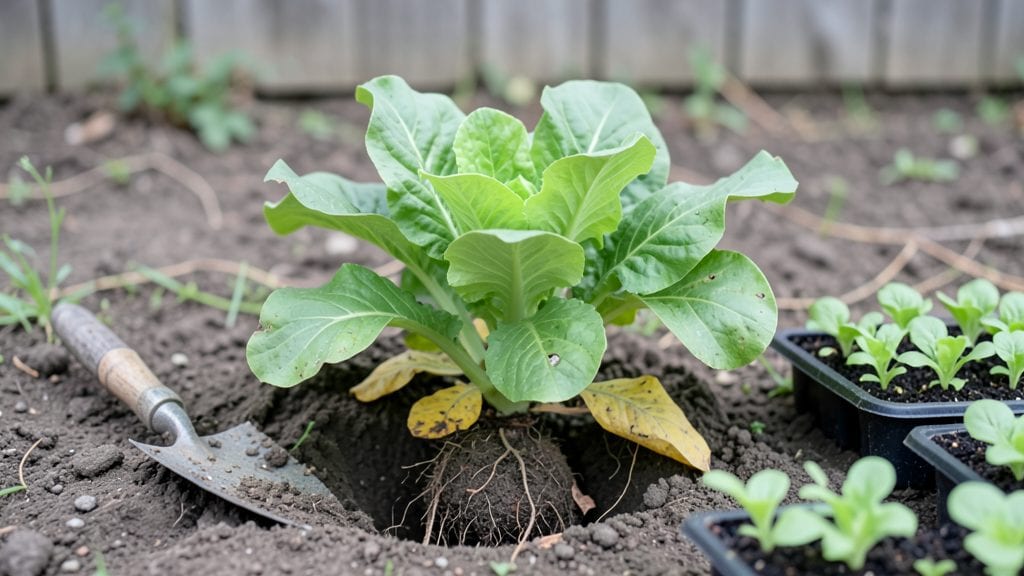
Learning to garden starts with the first shovel of soil—not the last mistake you'll make. 🌱 I remember my first attempt: overwatered seedlings, weeds taking over, and plants that looked more sad than thriving.
But after 30 days of focusing on the basics, my garden went from "what was I thinking?" to "how did I not do this sooner?"
The secret isn’t fancy tools or a perfect yard—it’s understanding what plants actually need. You’ll start with simple supplies: a trowel, gloves, seeds for easy crops like lettuce or marigolds, and a watering can.
Most beginners skip testing their soil first, and that’s where problems begin. A 5-minute soil check saves weeks of frustration later.
By day 30, you’ll have plants pushing through soil, leaves unfurling in the morning light, and a confidence that comes from seeing proof it works. The first harvest—even if it’s just a handful of basil—feels like winning the lottery.
You’ll know exactly how much water your plants need, which weeds to pull (and which to ignore), and how to tell a healthy tomato plant from one begging for help.
This works for containers on a balcony, a patch of yard, or even windowsill herbs. The only real requirement is 15 minutes a day to check soil moisture and spot problems before they spread. Ready to turn dirt into dinner—and mistakes into lessons?
📚 In This Guide
- What you need
- Instructions
- Tips and common mistakes
- Wrapping up and next steps
What you need
- ● Seeds or seedlings: Start with 5–10 easy plants (e.g., lettuce, basil, marigolds, or cherry tomatoes). Opt for fast-growing varieties for quick wins!
- ● Potting soil: 1–2 bags (10–15 lbs each) of well-draining, organic potting mix (avoid garden soil—it’s too dense!).
- ● Containers: 3–5 5–7 inch pots (for seedlings) or
- ● 1–2 5-gallon grow bags (for larger plants like tomatoes).
- ● Watering can or hose: A lightweight, 1-gallon can with a rose attachment (for gentle watering).
- ● Gloves: 1 pair of durable, breathable gardening gloves (to protect your hands from dirt and thorns).
- ● Hand trowel: 1 stainless-steel or ergonomic trowel (for planting and soil prep).
- ● Pruners: 1 pair of bypass pruners (for snipping stems or harvesting).
- ● Fertilizer: A balanced, slow-release granular fertilizer (like 10-10-10) or liquid seaweed extract for a natural boost.
- ● Mulch: Straw or shredded leaves (to retain moisture and suppress weeds).
- ● Plant markers: Small sticks or labels to track what you’ve planted (DIY with popsicle sticks + markers!).
- ● Sunlight meter: A cheap app or device to check light conditions (6+ hours of sun = ideal for most veggies).
- ● Knee pad or stool: Because gardening is way more comfortable on your knees (or back)!
Instructions: your first 30 days of gardening success
Here's the straightforward path I've used to help beginners grow confident in just four weeks.
🌱 Step 1: Start Small With Easy, Fast-Growing Plants
Begin with plants that thrive quickly—think leafy greens like lettuce or herbs such as basil. These grow fast enough to show results in 2-3 weeks, which keeps you motivated. Avoid fussy plants like tomatoes or peppers until you're comfortable with basic care.
I always start with 4 plants max—one container each—to avoid feeling overwhelmed. Use a mix of sun and shade plants so you learn how light affects growth. Watch how quickly the greens grow compared to slower herbs like rosemary.
💧 Step 2: Master the Watering Routine
Watering is where most beginners trip up, so let's nail this early. Check soil moisture by sticking your finger 1 inch deep—if it feels dry, water until moisture reaches 3-4 inches down. Overwatering is the silent killer of young plants, so I water every 2-3 days at first, then adjust based on how quickly soil dries.
Use a watering can with a narrow spout to direct water at the base, not the leaves. You'll see the soil surface darken when it's properly saturated. If water pools on top, you're overdoing it—wait until it absorbs before adding more.
☀️ Step 3: Position Plants for Success
Most beginner plants need 4-6 hours of sunlight daily. Place containers near a south-facing window or use a small grow light for 12-14 hours per day if natural light is weak. I rotate my containers a quarter turn daily so plants grow straight instead of leaning toward light.
Watch for signs of too little light—leggy stems and pale leaves mean your plants are stretching for more. If this happens, move them closer to the light source or increase grow light hours. The goal is compact, sturdy growth with deep green leaves.
🌿 Step 4: Learn to Observe and Adjust
Spend 5 minutes daily checking for pests, wilting, or new growth. Yellow leaves often mean overwatering, while crispy edges signal underwatering. I keep a small notebook to track what I notice—like when my basil got powdery mildew after a rainy week.
This is where gardening gets fun. You'll start noticing patterns: how fast certain plants grow, which spots get morning sun vs afternoon shade, and how your watering habits affect soil moisture. Trust your observations more than rigid schedules—plants tell you what they need.
⏰ Step 5: Harvest and Celebrate Small Wins
By day 21-30, you'll have harvestable greens or herbs. Pinch off outer leaves of lettuce or snip basil stems just above a leaf pair to encourage bushier growth. Celebrate these small victories—they prove you're doing it right.
Take photos of your progress to track growth. I always show my first harvest to friends—it's the best motivation to keep going. Even if some plants struggle, you've learned more in 30 days than most beginners do in months.
Tips & tricks for perfect beginner gardening success
Here's what I wish I knew before starting my own garden—these tricks will help you avoid common pitfalls and grow confident faster.
The Plant Selection Secret: In Step 1, when choosing your fast-growing plants, pick varieties labeled "baby" or "cut-and-come-again" like 'Black Seeded Simpson' lettuce or 'Genovese' basil. These grow even faster than regular types and give you multiple harvests. I've found that baby lettuce varieties can be ready in just 14-18 days instead of the full 2-3 weeks mentioned, giving you that first harvest even sooner.
Watering Wisdom: The finger test in Step 2 works perfectly, but here's the real trick: water in the morning whenever possible. This gives plants all day to absorb moisture before evening, reducing evaporation and preventing fungal issues. I've noticed my basil stays healthier when watered in the morning—it's less likely to develop powdery mildew, which was my biggest struggle in those first few weeks.
Light Level Upgrade: For Step 3, if your space only gets limited natural light, consider a simple LED grow light on a timer. Even a basic 6-inch grow light for 12-14 hours will prevent those leggy stems. I placed mine just 6 inches above my containers and saw a dramatic difference in just 3 days—my lettuce went from stretching toward the window to growing sturdy and compact.
Observation System: That 5-minute daily check in Step 4 is your secret weapon. I take it a step further by using a small whiteboard to track each plant's progress. I draw simple symbols: a sun for good light days, a cloud for rain, and a water droplet for watering. After 30 days, you'll have a visual history that shows exactly what worked and what didn't for your specific growing conditions.
Pro Tips for Learn To Garden
- Here's what I wish I knew before starting my own garden—these tricks will help you avoid common pitfalls and grow confident faster.
- The Plant Selection Secret: In Step 1, when choosing your fast-growing plants, pick varieties labeled "baby" or "cut-and-come-again" like 'Black Seeded Simpson' lettuce or 'Genovese' basil.
- Watering Wisdom: The finger test in Step 2 works perfectly, but here's the real trick: water in the morning whenever possible.
Frequently asked questions
Got questions about diving into gardening? You’re not alone—every beginner does! Here are some of the most common queries to help you grow with confidence.
How much time do I really need to spend gardening daily?
Start with just 15–30 minutes a day for watering, weeding, and quick checks. Most plants thrive with consistent care, not constant attention. Use timers or drip irrigation to save time, and batch tasks (like pruning) on weekends. Even a small effort daily adds up to big results!
What’s the easiest way to water plants without over- or underwatering?
Use the finger test: Stick your finger 1–2 inches into the soil. If it’s dry, water deeply until moisture reaches 6 inches down. Morning watering (6–10 AM) reduces evaporation, and mulch helps retain moisture. Overwatering is the #1 killer—let soil dry slightly between waterings for most plants.
How do I deal with pests naturally if I’m avoiding chemicals?
Start with prevention: Healthy soil (compost!) and strong plants deter pests. For mild infestations, try:
- Neem oil spray (diluted) for aphids/mites
- Soapy water (1 tsp dish soap + 1L water) for soft-bodied bugs
- Handpicking (early morning when pests are sluggish)
- Beneficial insects like ladybugs or lacewings (buy online or attract with native plants)
Can I start a garden in 30 days, or should I wait until spring?
Yes, you can!
Spring isn’t the only time to grow. Cool-season crops (like lettuce, spinach, or kale) thrive in early spring or fall. Containers let you garden year-round in warm climates. Start with fast-growing herbs (basil, mint) or microgreens for instant gratification. Just adjust watering based on your local climate—shade cloth helps in hot months.
What if my plants look sad or die? How do I troubleshoot?
Don’t panic—most “failures” are fixable! Check these first:
Symptom
Likely Cause
Quick Fix
Yellow leaves
Overwatering or nutrient deficiency
Let soil dry slightly; add compost or balanced fertilizer
Wilting
Underwatering or root stress
Water deeply + check roots for rot; trim damaged roots if needed
Brown spots
Sunburn or fungal issue
Move to partial shade; improve airflow; spray neem oil
Wrapping up and next steps
You’ve got everything you need to start your gardening journey—and trust us, every expert was once a beginner! 🌱 Whether it’s picking the right soil, mastering sunlight tricks, or troubleshooting pests, these 30 days are your chance to grow confidence just as much as your plants. Start small, stay curious, and watch your green thumb bloom!
Your next step? Grab those seeds, roll up your sleeves, and plant your first row today. Check out our 30-Day Planting Calendar for a foolproof schedule—happy growing!