
Lawn
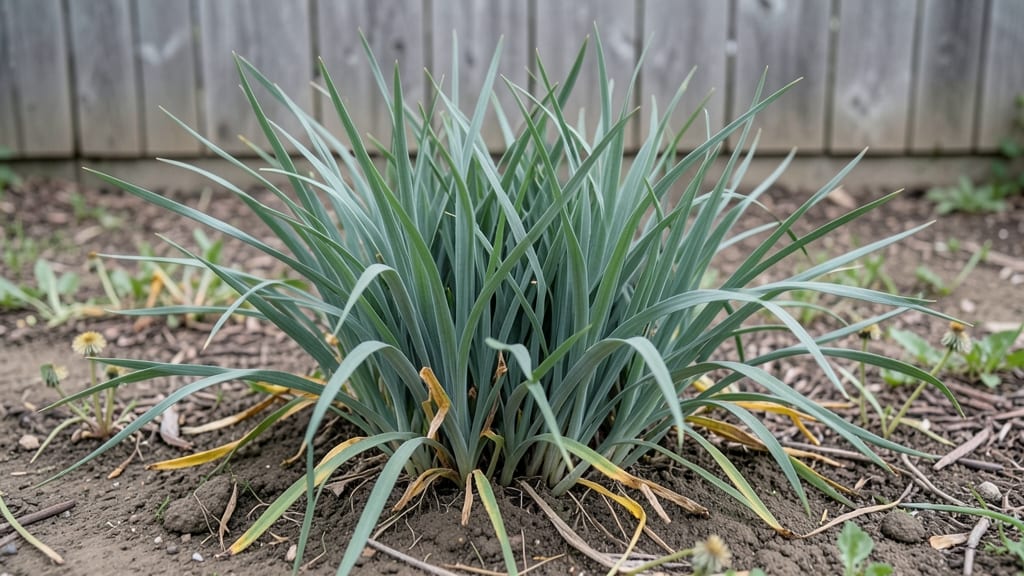
Growing lemon grass in your garden adds a fragrant, tropical touch that doubles as a kitchen staple. ✨ I planted mine last spring, and now it’s the most useful plant in my yard—culinary, ornamental, and even pest-repellent.
The key is mimicking its native warm, humid conditions, which isn’t as tricky as it sounds once you know the basics.
This perennial thrives in full sun and well-draining soil, but it’s forgiving about soil type as long as it’s not soggy. Water consistently to keep the soil moist but not waterlogged, and space plants 12–18 inches apart to give them room to spread.
You can grow it from seeds or divide clumps, and both methods work well for beginners.
By midsummer, you’ll have tall, slender stalks with a citrusy aroma that repels mosquitoes naturally. Snip the outer leaves for cooking, and the plant keeps producing new growth. It’s a low-maintenance powerhouse that looks stunning in pots or garden beds.
Just watch out for frost—it won’t survive cold snaps, so in cooler zones, treat it as an annual or grow it in containers you can bring indoors. With the right care, your lemon grass will reward you with fresh flavor and beauty all season long.
📚 In This Guide
- What you need
- Instructions
- Tips and common mistakes
- Wrapping up and next steps
What you need
- ● Lemon grass plants or seeds: 3–5 healthy lemon grass plants (from a nursery or garden center) or
- ● 5–10 fresh lemon grass seeds (if starting from scratch)
- ● Well-draining potting mix: 5–10 gallons of sandy loam soil or a mix of 50% garden soil + 50% compost
- ○ Optional: Perlite or vermiculite (1–2 cups) for extra drainage
- ● Containers or garden bed: For containers: 5–6 inch diameter pots (1 per plant) or a raised bed (at least 12" deep)
- ● For in-ground planting: A sunny spot with 6+ hours of direct sunlight daily
- ● Garden trowel or shovel (for planting)
- ● Watering can or hose with a gentle spray nozzle
- ● Pruning shears or scissors (for harvesting)
- ○ Mulch (optional):Straw, pine needles, or wood chips (2–3 inches) to retain moisture
- ○ Fertilizer (optional):Balanced 10-10-10 or organic compost (1–2 tbsp per plant, every 4–6 weeks)
- ● USDA Hardiness Zones 9–11 (or containers for cooler climates)
- ● Warm soil temperature: At least 65°F (18°C) for planting
- ● No frost tolerance: Bring potted plants indoors if temps drop below 50°F (10°C)
Step-by-step guide to planting and growing lemon grass in your garden
Here's how to cultivate this fragrant, tropical staple with minimal fuss.
🌱 Step 1: Choose the Right Location and Prepare the Soil
Lemon grass thrives in full sun—pick a spot that gets at least 6-8 hours of direct sunlight daily. If your climate runs hot, afternoon shade helps prevent scorching. The soil should drain well but retain moisture, so amend heavy clay with 2-3 inches of compost or sand to improve aeration.
I always test drainage first by digging a 6-inch hole, filling it with water, and watching how quickly it drains. If water pools after 30 minutes, amend the soil further. Lemon grass hates soggy roots, so proper drainage is non-negotiable.
🌿 Step 2: Plant Lemon Grass Corms or Starts
For best results, plant lemon grass corms (the thick, bulb-like base) in spring or early summer after the last frost. Space them 12-18 inches apart in rows 2 feet apart to allow airflow and prevent fungal issues. Dig a hole 2 inches deep and place the corm with the flat side down—this ensures proper root development.
If using young plants, dig a hole slightly larger than the root ball, place the plant in, and backfill with soil while gently pressing around the base. Water deeply right after planting to settle the soil. Here's the thing—lemon grass doesn't like being disturbed, so avoid over-tamping the soil around the corms.
💧 Step 3: Water Consistently and Mulch for Retention
Keep the soil evenly moist but not waterlogged—lemon grass prefers 1-1.5 inches of water per week, either from rainfall or irrigation. I water deeply 2-3 times per week in hot climates, focusing on the base to avoid wetting the leaves (which can rot). Let the top 1-2 inches of soil dry out slightly between waterings to prevent root rot.
Spread 2-3 inches of mulch (like shredded bark or straw) around the base, keeping it 3-4 inches away from the stems. This locks in moisture, regulates soil temperature, and suppresses weeds. Replenish mulch as it breaks down—it’s one of the simplest ways to keep lemon grass happy year-round.
☀️ Step 4: Fertilize and Prune for Healthy Growth
Feed lemon grass with a balanced, slow-release fertilizer (10-10-10) once in early spring and again in mid-summer. I sprinkle ½ cup per plant around the base, then water it in. Avoid high-nitrogen fertilizers—they promote leafy growth at the expense of the fragrant stems you actually want to harvest.
Prune lemon grass 2-3 times per year to encourage bushier growth. Cut back dead or yellowing leaves at the base, and trim overly tall stems by one-third to maintain an upright shape. Never cut more than one-third of the plant at once—this prevents shock and keeps the roots strong.
⏰ Step 5: Harvest and Overwinter for Longevity
Harvest lemon grass 6-8 months after planting, when the stalks reach 12-18 inches tall and are 2-3 inches in diameter. Cut the stems 2-3 inches above the ground with a sharp knife or shears. The plant will regrow from the base—you can harvest 2-3 times per year this way.
In USDA Zones 8-11, lemon grass is perennial and will return each year with minimal care. In colder climates (Zones 7 or below), dig up the corms in fall, trim the foliage, and store them in a cool, dry place (like a paper bag in the fridge) until spring. Real talk: Overwintering corms is easier than you think—just keep them dry and frost-free.
Tips & tricks for perfect lemon grass cultivation
A few key strategies will help your lemon grass thrive year after year with minimal effort.
Sunlight Secret: That 6-8 hours of direct sunlight is non-negotiable for strong, fragrant stems. If your garden gets afternoon shade, position your lemon grass where it catches the morning sun first—this gives it the energy boost it needs to develop those essential oils. I've seen lemon grass in partial shade produce weak, flavorless stalks, so don't cut corners here.
Drainage Test: The 30-minute drainage test in Step 1 is one of the most important checks you'll do. Lemon grass roots rot faster than you might think, and soggy soil will kill your plants before they even establish. If water lingers after 30 minutes, mix in more sand or compost until you achieve proper drainage. I've lost three batches of lemon grass because I skipped this step—don't make my mistake.
Mulching Magic: That 2-3 inches of mulch isn't just for looks—it's a game-changer for moisture retention and temperature regulation. I use straw because it breaks down slowly and adds organic matter to the soil. Just remember to keep it 3-4 inches away from the stems to prevent rot. This simple step can cut your watering needs in half during hot summer months.
Fertilizer Finesse: When you fertilize in spring and mid-summer, focus on that balanced 10-10-10 formula and stick to exactly ½ cup per plant. High-nitrogen fertilizers might give you lush green leaves, but they'll sacrifice that prized lemony aroma. I've found that less frequent, balanced feeding produces stronger, more fragrant stems that harvest beautifully.
Pro Tips for Lemon Grass In The Garden
- A few key strategies will help your lemon grass thrive year after year with minimal effort.
- Sunlight Secret: That 6-8 hours of direct sunlight is non-negotiable for strong, fragrant stems.
- Drainage Test: The 30-minute drainage test in Step 1 is one of the most important checks you'll do.
Frequently asked questions
Got questions about growing lemon grass in your garden?
You’re not alone! Here are some of the most common queries—plus straightforward answers to help you cultivate this fragrant tropical perennial with confidence.
Can lemon grass grow in containers?
Lemon grass thrives in containers as long as the pot is at least 12 inches deep and has drainage holes. Use well-draining potting mix, and place the container in a spot with full sun to partial shade. Just keep the soil consistently moist—containers dry out faster than garden beds.
How cold can lemon grass tolerate?
Lemon grass is a tropical plant and struggles in frost. It can handle brief dips to 30°F (or -1°C), but prolonged cold (<25°F/-4°C) will kill it. In colder climates, grow it in containers and bring it indoors during winter, or treat it as an annual. Mulching helps insulate roots in marginal zones.
How long does it take for lemon grass to grow?
From seed, lemon grass can take 3–6 months to mature enough for harvesting. If you start with cuttings or young plants, you’ll see usable stalks in 2–3 months. Patience pays off—young plants focus on root growth before sending up those signature thick, grassy stalks.
Why is my lemon grass turning yellow or dying?
Yellowing leaves or wilting often signal overwatering, poor drainage, or root rot. Check the soil—it should stay moist but not soggy. If the base of the plant smells foul, trim away mushy roots and repot in fresh, well-draining soil. Too much shade or cold snaps can also stress the plant.
What’s a good alternative if lemon grass won’t grow in my climate?
If your zone is too cold, try these fragrant, easy-to-grow substitutes:
- Citronella grass (similar scent, mosquito-repelling)
- Lemongrass mint (hardier, edible leaves)
- Rosemary or thyme (perennial herbs with citrusy notes)
Wrapping up and next steps
Growing lemon grass in your garden is a rewarding way to bring a touch of the tropics to your space—whether for its fragrant aroma, culinary uses, or natural pest-repelling benefits! 🌿 This hardy perennial thrives in warm climates with minimal fuss, making it perfect for both beginners and seasoned gardeners.
With the right care, you’ll soon enjoy fresh stalks for cooking, soothing teas, or even homemade remedies.
Ready to take the next step? Start by planting a few clumps in a sunny spot, and soon, your garden will not only look lush but also smell like a vacation. Happy growing! 🌱✨