
Pests
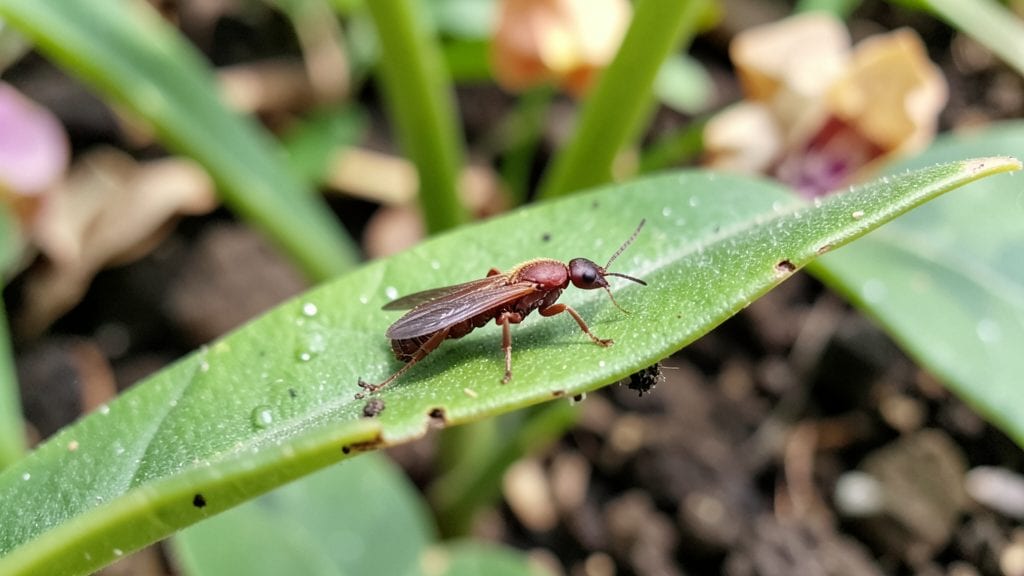
Flying ants swarming your garden isn’t just annoying—it’s a sign your plants are about to get a free buffet. 🌿 I’ve dealt with these winged invaders more times than I can count, and I’ve learned the humane way to shoo them off without wrecking your soil or the helpful bugs that call your garden home.
These ants show up when summer heats up, drawn to ripe fruit, sap, or even your homemade compost. The good news? They don’t nest in the ground like their crawling cousins—they’re just passing through.
That means you can deter them without harsh chemicals that kill earthworms and bees. Think of it as redirecting, not eradicating.
By the end of this, you’ll have a few foolproof tricks to keep them away—like setting out a shallow dish of soapy water (they drown, not die painfully) or using citrus peels as a natural repellent. Your garden stays pest-free, the soil stays happy, and the local ecosystem keeps thriving.
Works for vegetable patches, flower beds, or even that one stubborn apple tree. Let’s get those ants on their way without collateral damage—your garden’s health comes first.
The Science Behind Winged Invaders
Those sudden swarms of flying ants in your garden aren’t just a nuisance—they’re nature’s way of telling you something important. Understanding why these winged visitors appear helps you respond effectively without harming your plants or the ecosystem. Here’s a breakdown of the key triggers behind their seasonal surge.
Flying ants are most active during warm, humid conditions, typically between 60°F and 80°F (15°C–27°C). This temperature range signals to colonies that it’s time to reproduce. Here’s how it works:
- Queen’s Command: The primary queen releases pheromones that prompt worker ants to raise new queens and males (the "fliers"). Warmth accelerates their development.
- Moisture Matters: Rain or high humidity softens the soil, making it easier for winged ants to escape their nests and mate mid-air.
- Daylight Hours: Longer daylight in spring/summer increases their activity. Swarms often peak on warm, sunny afternoons after a rainy spell.
Actionable Tip: Monitor your local weather forecast. Flying ants are most likely to appear 1–3 days after rain when temperatures rise. Set up traps or barriers before swarms arrive!
Ant colonies grow rapidly, and when they become overpopulated, they prioritize expansion. Here’s the biology behind it:
- Nest Pressure: Worker ants maintain tunnels and chambers. As the colony grows, space becomes limited, forcing the production of reproductive adults (flying ants).
- Resource Scarcity: If food sources (like aphids, seeds, or garden debris) are abundant, the colony thrives—and so does its population.
- Age Factor: Colonies are usually 1–3 years old when they first produce flying ants. Older nests may swarm multiple times per season.
Pro Tip: Reduce attractants like rotting wood, compost piles, or standing water near your garden. A less appealing environment discourages colonies from taking root.
Flying ants follow a predictable annual cycle, tied to environmental cues:
| Season | Trigger | What Happens |
|---|---|---|
| Spring | Rising temperatures + rain | First swarms appear as queens and males emerge to mate. |
| Summer | Peak warmth (70°F+ / 21°C+) | Multiple swarming events as colonies expand. |
| Fall | Cooler temps + shorter days | Swarms taper off as colonies prepare for winter. |
Key Insight: In temperate climates, flying ants typically swarm once per year (spring/summer), but tropical regions may see multiple waves. Plan your garden maintenance around these patterns!
Even minor disruptions to an ant colony can trigger early or aggressive swarming. Common culprits include:
- Physical Damage: Digging, mowing, or compacting soil near nests stresses workers, prompting them to reproduce faster.
- Pest Control: Harsh chemicals (like sprays) can kill workers, forcing the colony to regenerate via flying ants.
- Food Disruptions: Sudden changes in food availability (e.g., removing aphids or sealing trash) can signal scarcity, accelerating reproduction.
⚠️ Warning: Avoid vacuuming or crushing flying ants—it releases alarm pheromones, attracting more! Opt for humane traps or water-based removal instead.
By recognizing these triggers, you can predict, prevent, and manage flying ant swarms without disrupting your garden’s health. The key? Stay one step ahead of nature’s calendar!
Quick Fixes for Flying Ant Swarms
When flying ants descend on your garden like a tiny, buzzing storm, swift action is key to minimizing chaos and damage. Below, we’ve mapped out practical solutions tailored to the most common causes—from nest locations to seasonal triggers—so you can tackle the problem without harming your soil or plants.
Prevention tips are included to keep your garden ant-free in the long run.
Flying ants often emerge from established colonies in trees, walls, or soil. If you spot them swarming near these areas, act fast to disrupt their lifecycle.
🌳 Remove the Nest (Humane Methods)
- 🔪 Cut and Burn (For Tree Nests): If the swarm is originating from a tree, locate the nest entrance (often near the base or in rotting wood). Use pruning shears to cut a 3-foot section of the infested branch, then burn it safely away from flammable materials. Pro tip: Wear gloves and a mask to avoid stings—flying ants can still defend their territory!
- 🏡 Seal Entry Points (For Wall/Soil Nests): Fill cracks in foundations, brickwork, or garden borders with silica gel or caulk to block access. For soil nests, create a 1-inch deep barrier of diatomaceous earth (food-grade) around the perimeter. Reapply after rain.
- 💧 Drown the Queen (Last Resort): If the nest is in a hollow tree or accessible cavity, pour soapy water (dish soap + water) into the entrance. This suffocates the colony without chemicals. Warning: Only do this in dry weather—wet conditions can spread the problem.
Flying ants are scouts searching for food or water. Eliminate their incentives to discourage visits.
🍎 Eliminate Attractants
- 🗑️ Secure Trash and Compost: Use sealed bins with tight lids and keep compost piles dry and far from the house. Add citrus peels or coffee grounds to compost—they repel ants naturally.
- 💧 Fix Leaks and Standing Water: Ants thrive in damp areas. Check irrigation systems, gutters, and potted plant saucers for leaks. Use gravel or sand in saucers to improve drainage.
- 🍞 Store Food Properly: Even outdoor food (like pet food or fallen fruit) can lure ants. Store feeders in metal containers and clean up spills immediately.
Flying ants emerge in late spring/early summer to reproduce. While they’re harmless (unless allergic), their sheer numbers can be overwhelming.
🌡️ Disrupt the Swarm
- 🔥 Use a Shop Vac (For Outdoor Swarms): Suck up flying ants with a shop vacuum (no bag needed) and release them far from your property. Do this in the early morning when they’re sluggish. Pro tip: Run the vacuum for 10–15 minutes to reduce numbers significantly.
- 🌊 Create a Water Trap: Fill a bucket with soapy water and place it under a bright light at night. Flying ants are attracted to light and will drown. Empty and refill the bucket daily.
- 🌿 Plant Ant-Repelling Herbs: Surround your garden with mint, lavender, or basil. These plants emit scents that confuse ant trails. Bonus: They’ll make your garden smell amazing!
Once you’ve dealt with the swarm, take steps to prevent future invasions.
- 🌱 Maintain a Healthy Lawn: Overgrown grass and weeds provide hiding spots. Mow regularly and remove leaf litter from borders.
- 🏡 Inspect Your Home Annually: Check for gaps in window screens, door seals, and vents. Seal them with copper mesh (ants avoid copper).
- 🕊️ Encourage Natural Predators: Birds, lizards, and spiders eat ants. Install a birdhouse or rock garden to attract these helpers.
- 💡 Use Diatomaceous Earth as a Barrier: Sprinkle a 1-inch band of DE around garden beds, patios, and entry points. Reapply after rain. Safety note: Keep pets and kids away until it’s wet (DE is harmless when damp).
With these targeted fixes, you can reduce flying ant activity in 24–48 hours and protect your garden’s health—without resorting to harsh chemicals. Stay vigilant, and your outdoor space will stay ant-free season after season! 🚫🐜
Frequently asked questions
Are flying ants dangerous to my garden plants?
Flying ants themselves won't harm your plants directly, but they can become pests if they nest nearby. Their presence usually means they're scouting for food or moisture, which could attract larger ant colonies that might damage roots or seedlings. The real risk comes from their swarming behavior—if they land on flowers, they can disrupt pollination temporarily.
Why do flying ants appear in my garden suddenly?
These winged ants emerge during warm, humid weather—typically spring to early summer—as part of their mating cycle. Warm temperatures and moisture trigger colonies to release reproductive ants. You'll often see them after rain when conditions are perfect for their flight. It's nature's way of expanding their population, not an invasion of your property.
What's the most humane way to remove flying ants?
Use a shop vacuum (no bag) to collect them and release them far from your garden. For large swarms, set out shallow dishes of soapy water—they'll drown quickly without pain. Avoid crushing them, as it releases alarm pheromones that attract more ants. Always work in the early morning when they're less active.
Will flying ants come back after I remove them?
Possibly, but not immediately. Since they're seasonal, you'll likely see them again next spring/summer when conditions are right. To prevent recurrence, eliminate food sources (like fallen fruit or pet food), seal entry points, and maintain dry garden beds. Regular maintenance reduces their appeal to return.
Can flying ants harm my pets or children?
While flying ants are generally harmless, some people may have allergic reactions to their bites or stings. For pets, they pose minimal risk unless your animal has allergies. Keep children indoors during heavy swarms to prevent accidental ingestion (though it's extremely rare). Most people experience only mild irritation if stung.