
Landscaping
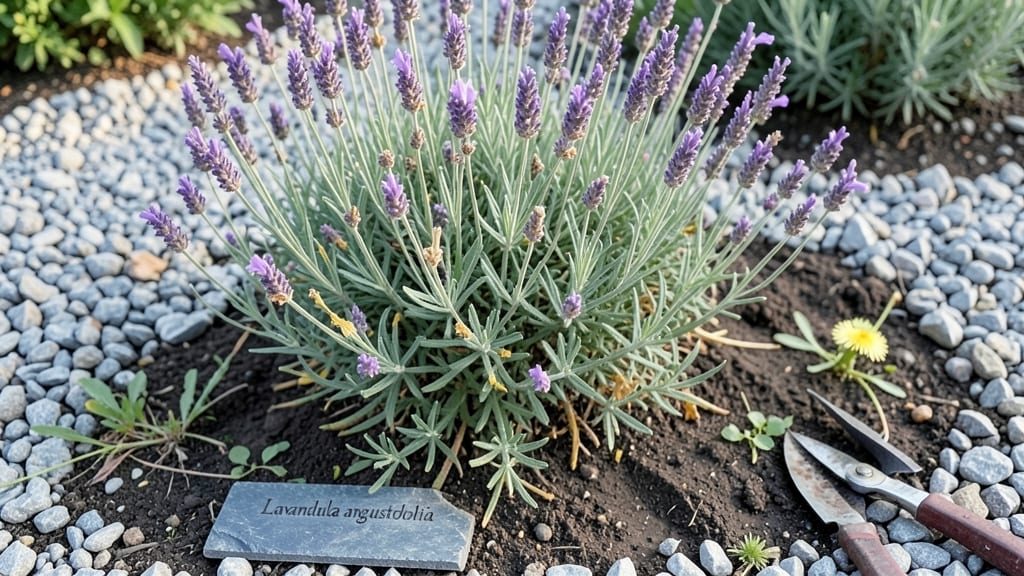
The right memorial garden design transforms grief into a living tribute that feels personal and enduring. ✨ I learned this the hard way after my first attempt—too many high-maintenance plants and a layout that felt more like a chore than a sanctuary.
Now, my garden combines everlasting tribute stones with low-fuss perennials that thrive year-round.
Start with a focal point: a smooth river rock engraved with a name, a simple wooden bench, or a small water feature that creates soothing white noise. Surround it with plants that symbolize remembrance—lavender for calm, white roses for purity, or boxwood for steadfastness.
The key is balance: evergreens for structure, seasonal blooms for color, and ground covers to soften paths.
You’ll end up with a space that feels like a quiet conversation rather than a garden that demands constant care. The stones stay cool to the touch, the lavender releases its scent on warm evenings, and the boxwood stays neatly trimmed with minimal effort.
Every visit becomes a moment of reflection, not maintenance.
Works in any climate—swap drought-tolerant succulents for arid regions or hardy hemlock for colder zones. The principles stay the same: simplicity, meaning, and lasting beauty. Let’s make it timeless.
📚 In This Guide
- What you need
- Instructions
- Tips and common mistakes
- Wrapping up and next steps
What you need
- ● Tribute Stones: Granite, marble, or slate slabs (1–3 per memorial, depending on size). Recommended thickness: 1–2 inches.
- ● Custom engraving tools or professional service for inscriptions.
- ● Soil & Landscaping: Topsoil (1–2 cubic yards, depending on garden size).
- ● Mulch (cedar or pine, 2–3 bags for ground cover).
- ● Gravel or decorative stones (50–100 lbs for pathways or borders).
- ● Plants & Flora: Perennials (e.g., lavender, roses, or hostas—3–5 plants).
- ● Evergreens (e.g., boxwood or juniper—1–2 shrubs for year-round greenery).
- ● Ornamental grasses (1–2 bundles for texture).
- ● Hardware & Tools: Shovel, rake, and wheelbarrow.
- ● Level and measuring tape.
- ● Concrete mix (if setting stones permanently—1–2 bags).
- ● Landscape fabric (to suppress weeds, 1 roll).
- ● Lighting: Solar-powered path lights or uplighting for evening ambiance.
- ● Water Feature: Small fountain or birdbath (adds tranquility).
- ● Personal Touches: Bench or seating area (wooden or metal).
- ● Wind chimes or garden art (e.g., ceramic figures).
- ● Maintenance: Hose with spray nozzle, pruners, and seasonal fertilizers.
Step-by-Step instructions for designing a memorial garden
Creating a peaceful tribute space starts with thoughtful planning and meaningful elements.
🪴 Step 1: Choose a Quiet, Sunlit Location
Select a spot that feels natural and serene—somewhere you can sit quietly and reflect. I always look for areas with 4-6 hours of sunlight daily since evergreens and flowers thrive there. Avoid low-lying spots where water pools, as soggy soil can damage tribute stones over time.
Check the space at different times of day to observe how shadows shift. Morning sun creates gentle light, while afternoon sun can be harsher. If your garden faces north, focus on shade-tolerant plants like hostas or ferns to complement the tribute stones.
🌿 Step 2: Plan Symmetrical Layouts for Balance
Memorial gardens feel most harmonious when designed with symmetry. Start by marking a central point where you’ll place the first tribute stone. From there, create a path or circle of stones at 3-5 foot intervals—this creates a natural focal point while leaving room for plants.
Use string and stakes to outline the design before digging. I like to sketch a rough layout first, then adjust based on the garden’s natural contours. For a 4-person memorial, arrange stones in a square or semi-circle, leaving 2-3 feet of space between each for easy maintenance.
☀️ Step 3: Select Everlasting Materials and Plants
Choose tribute stones made from granite, slate, or bluestone—these materials withstand weather and last decades. For plants, opt for evergreens like boxwood or juniper to provide year-round structure, and add seasonal flowers like roses or lavender for color.
Group plants by height: place taller shrubs behind stones and lower ground covers like creeping thyme in front. Mulch with 2-3 inches of shredded bark to suppress weeds and retain moisture. Avoid heavy mulch piles near stones, as they can trap moisture and cause erosion over time.
⏰ Step 4: Install Stones and Plants with Precision
Dig holes for tribute stones 1-2 inches deeper than their base to ensure stability. Place each stone on a 1-inch layer of gravel to improve drainage. Use a level to check alignment—stones should sit flat, not tilted, for a polished look.
Plant evergreens and perennials at the same depth they were in their pots. Water deeply after planting to settle the soil, then add mulch. Step back and adjust spacing if needed—you want the stones and plants to feel intentional, not crowded.
✂️ Step 5: Add Finishing Touches for Reflection
Include seating like a bench or stone chairs within 5-6 feet of the garden for quiet contemplation. Add solar-powered path lights or lanterns to illuminate the space at dusk. I also recommend a small water feature, like a bubbling stone fountain, to create soothing sounds.
Finally, add a plaque or engraved stone with names and dates. Keep the inscription simple—this garden is about peace, not clutter. Once everything is in place, step back and let the space breathe. A well-designed memorial garden should feel like a quiet retreat, not a chore to maintain.
Tips & tricks for perfect memorial garden design
Here's what I've learned after creating several memorial gardens—these details make all the difference between a simple arrangement and a truly meaningful tribute.
The Sunlight Factor: In Step 1, when choosing your location, consider the seasonal sun patterns. The 4-6 hours of sunlight recommendation works best for most memorial gardens, but if you're in a particularly hot climate, morning sun (4-6 hours) is gentler on plants and stones. I've seen gardens with afternoon sun develop more algae on stones over time—trust me, it's worth testing different spots.
Layout Precision: For Step 2, when marking your 3-5 foot intervals between stones, use a measuring tape and mark each spot with small flags or garden stakes. This prevents the "eyeballing" mistake I made my first time, where stones ended up unevenly spaced. For a 4-person memorial, I recommend starting with the central stone first—it becomes your anchor point for the entire layout.
Material Selection: In Step 3, when choosing between granite, slate, or bluestone, consider your climate. Granite handles extreme heat well, while slate offers beautiful natural patterns. I've found that bluestone, while stunning, can develop moss more quickly in humid areas—so if you choose this, plan for occasional cleaning. For plants, group your evergreens together to create visual continuity throughout the seasons.
Installation Insight: The 1-2 inches deeper holes in Step 4 are non-negotiable for stability, but here's a pro tip: use a rubber mallet to gently tap each stone into place after setting it in the gravel. This creates a more secure foundation than just dropping it in. Also, save your leftover gravel—it's perfect for creating a natural-looking border around your garden.
Pro Tips for Memorial Garden Design
- Here's what I've learned after creating several memorial gardens—these details make all the difference between a simple arrangement and a truly meaningful tribute.
- The Sunlight Factor: In Step 1, when choosing your location, consider the seasonal sun patterns.
- Layout Precision: For Step 2, when marking your 3-5 foot intervals between stones, use a measuring tape and mark each spot with small flags or garden stakes.
Frequently asked questions
Got questions about creating a meaningful memorial garden? Here are some of the most common concerns—and their answers—to help you design a space that honors and heals.
What’s the best time of year to plant a memorial garden?
For most climates, spring or early fall are ideal—plants establish roots before extreme heat or cold. However, perennials and shrubs can be planted in late fall (with mulch protection), while annuals thrive when planted after the last frost. Check your local frost dates for precision!
How do I choose meaningful elements (like stones or plants) for a loved one?
Start with their favorite colors, symbols, or hobbies. For example:
- Nature lovers: Incorporate wildflowers, a small pond, or a birdbath.
- Artistic souls: Add mosaic stepping stones or a painted bench.
- Minimalists: Opt for smooth river rocks or a single engraved tribute stone.
Personalize with engraved plaques or a memory jar buried near the center.
Are there budget-friendly ways to create a memorial garden?
Skip expensive statues and focus on:
- Natural materials: Driftwood, flat stones, or recycled bricks.
- Low-maintenance plants: Succulents, lavender, or native wildflowers (cheaper and drought-resistant).
- DIY features: Hand-painted stepping stones or a simple wooden bench.
Start small—even a single tribute stone with a handwritten message can feel profound.
How do I maintain a memorial garden in harsh weather?
Prevent erosion and damage with these tips:
- Mulch heavily (3–4 inches) to protect soil and retain moisture.
- Use erosion-control fabric on slopes or bare spots.
- Choose resilient plants like boxwood, junipers, or ornamental grasses.
- Winterize: Wrap delicate plants in burlap and drain hoses.
Consider a covered bench or pavilion if you want a year-round space.
What if I can’t commit to a permanent garden? Are there alternatives?
No problem! Try these flexible options:
- Potted memorials: Arrange plants in containers with a plaque (great for renters).
- Community gardens: Many parks or churches offer plots for tributes.
- Virtual gardens: Use apps like SketchUp to design a digital space you can revisit.
- Seasonal displays: Plant bulbs that bloom in spring (like daffodils) for temporary beauty.
Even a single tree or bench with a plaque can serve as a lasting symbol.
Wrapping up and next steps
Designing a memorial garden is more than just landscaping—it’s a heartfelt way to honor loved ones while creating a peaceful sanctuary. By blending serene symmetry, meaningful materials, and thoughtful tribute stones, you craft a space that feels both personal and timeless.
Whether you’re just starting or refining your vision, every detail adds to the beauty and purpose of your garden.
Ready to bring your memorial garden to life? Start small—sketch a rough layout, gather inspiration, or even plant a single stone as a beginning. Your garden will grow in memory and meaning, just like the love you’re preserving. 🌿❤️