
Tools
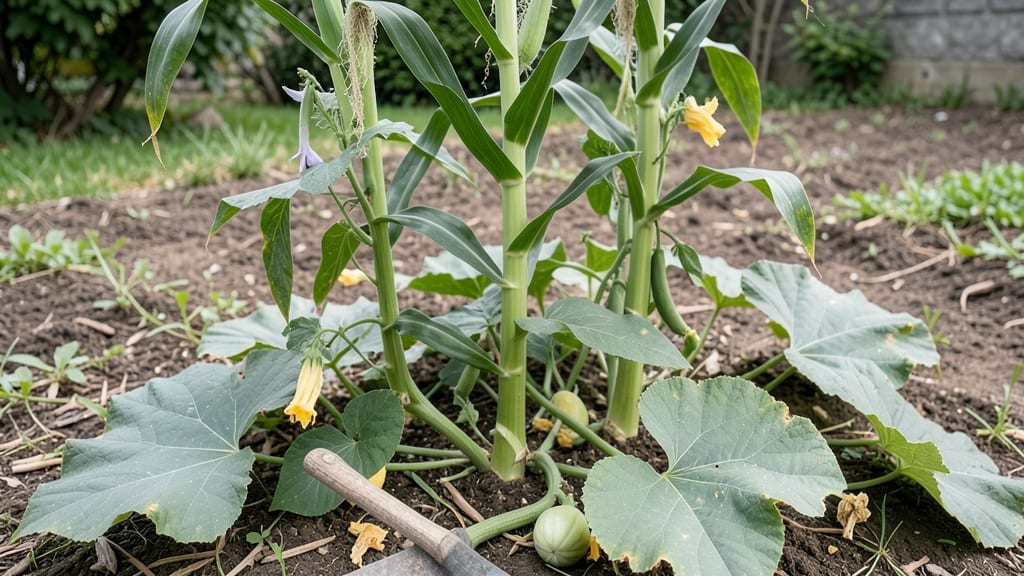
Growing a Native American garden isn't just about plants—it's about reviving a tradition where corn, beans, and squash grow together in perfect balance. 🌱 I first tried this after reading how Indigenous communities designed gardens that thrived for centuries using just what the land provided.
The Three Sisters method isn't complicated, but it does require patience and respect for nature's rhythms.
You'll need three key plants—corn for structure, beans for nitrogen, and squash to shade the soil—plus a sunny spot with well-draining earth. Native American gardens often used mounds or hills to improve drainage and reduce weeds, a technique that works beautifully in modern spaces too.
The best part? This system feeds the soil while feeding you, creating a closed-loop ecosystem that cuts down on fertilizer needs.
What you'll end up with is a garden that produces more food with less effort, attracts pollinators, and stays healthy with minimal intervention. The corn grows tall, the beans climb, and the squash spreads wide, creating a living mulch that keeps weeds at bay.
By summer's end, you'll have a harvest that's not just abundant but also deeply connected to a heritage of sustainable living.
Works in backyard plots, raised beds, or even large containers—just scale the plants to your space. The principles stay the same whether you're growing in New Mexico or Nebraska. Here's how to bring this ancient wisdom into your modern garden.
📚 In This Guide
- What you need
- Instructions
- Tips and common mistakes
- Wrapping up and next steps
What you need
- ● Seeds: 1 lb heirloom corn seeds (traditional varieties like Flint or Pawnee)
- ● 1 lb pole bean seeds (e.g., Scarlet Runner or Lacinto)
- ● 1 lb winter squash seeds (e.g., Butternut or Waltham Butternut)
- ● Soil: 10+ cubic yards of well-draining, nutrient-rich soil (mix compost or aged manure for fertility)
- ● Tools: 1 broadfork (for aerating soil without disturbing roots)
- ● 1 garden hoe (for weeding and soil prep)
- ● 1 hand trowel (for transplanting seedlings)
- ● 1 pruners (for bean trellises and squash vines)
- ● Trellis/Support: 6–8 sturdy bamboo stakes or wooden posts (5–6 ft tall for beans)
- ● 1 roll jute twine (for weaving bean trellises)
- ● Companion Plants: Seeds for marigolds or nasturtiums (pest deterrents)
- ● Mulch: Straw or leaves (3–4 inches thick to retain moisture)
- ● Rain Gauge: For tracking water needs in dry climates
- ● Traditional Tools: Stone or wooden digging sticks (for cultural authenticity)
Step-by-Step instructions for planting the Three Sisters garden
This traditional approach combines corn, beans, and squash for mutual support and abundance.
🌱 Step 1: Prepare the Soil and Plant Corn
Choose a sunny spot with well-draining soil—6+ hours of sunlight daily is ideal. Clear any weeds or debris, then loosen the top 6 inches of soil with a garden fork. Native American gardens often used a mound system, so create 4-6 inch high hills spaced 3 feet apart.
Plant 3-4 corn seeds per hill, burying them 1-2 inches deep in a small circle. Space the hills in a 3x3 foot grid to allow room for beans and squash later. Water gently to settle the soil—avoid soaking, as corn roots need air. You'll see sprouts in 7-14 days.
🌿 Step 2: Add Bean Seeds for Nitrogen Support
Once corn reaches 6-8 inches tall, it’s time for beans. Plant 4-5 pole bean seeds around the base of each corn stalk, pressing them ½ inch deep into the soil. Beans climb the corn stalks naturally, creating a living trellis. This partnership works because beans fix nitrogen in the soil, feeding the corn and squash.
Water lightly after planting—beans need consistent moisture but hate soggy roots. You’ll notice tiny bean leaves emerging in 10-14 days. If you see yellowing leaves on corn, it’s a sign beans are working their magic by enriching the soil.
☀️ Step 3: Plant Squash for Shade and Pest Control
After beans are established (about 3-4 weeks) and corn is 2 feet tall, plant squash seeds. Place 2-3 seeds near the base of each corn hill, burying them 1 inch deep. Squash vines spread wide, providing shade to keep soil moist and deter weeds. Its large leaves also block pests from reaching the corn and beans.
Water deeply after planting—squash needs 1-2 inches of water per week. Mulch around the base with straw or leaves to retain moisture and suppress weeds. You’ll see squash sprouts in 5-10 days, and vines will spread rapidly, creating a living mulch.
💧 Step 4: Maintain and Harvest for Abundance
Water the garden consistently—1 inch per week—keeping the soil evenly moist but not waterlogged. The Three Sisters thrive together because their needs align: corn provides structure, beans feed the soil, and squash protects everything. Weed regularly, especially early on, to reduce competition.
Harvest corn when silks turn brown and kernels are plump (60-75 days after planting). Pick beans when pods are firm and 4-6 inches long (every 2-3 days encourages more production). Harvest squash when rinds are hard and vines begin to yellow. This system ensures sustainable yields with minimal effort.
Tips & tricks for perfect Native American garden harmony
This ancient gardening method thrives on balance—here's how to maximize the Three Sisters' natural synergy for bountiful harvests.
Soil Prep Secret: Before creating those 4-6 inch hills in Step 1, mix in a handful of well-aged compost or leaf mold into each mound. This gives corn an immediate nutrient boost while improving water retention. The hills should be firm enough to support corn stalks but not compacted—think of them as mini ecosystems where all three plants will thrive together.
Timing is Everything: In Step 2, when planting beans around 6-8 inch tall corn, choose a cloudy day to minimize stress on both plants. The beans need to establish quickly, and direct sunlight can dry out their delicate roots. I've found that planting beans in the late afternoon gives them a better chance to settle in before evening temperatures drop.
Squash Placement Strategy: For Step 3, position your 2-3 squash seeds on the north side of each corn hill. This creates natural shade during the hottest part of the day while allowing sunlight to reach the corn stalks from the south. The squash vines will spread outward, creating a living mulch that suppresses weeds and retains moisture—exactly what the other two sisters need.
Harvesting Hack: When harvesting corn between 60-75 days, pull the entire ear rather than cutting it at the stalk. This prevents disease from entering the plant through the cut. For beans, harvest every 2-3 days to encourage continuous production—this is where the "every little bit helps" philosophy really pays off in your kitchen.
Pro Tips for Native American Gardening
- This ancient gardening method thrives on balance—here's how to maximize the Three Sisters' natural synergy for bountiful harvests.
- Soil Prep Secret: Before creating those 4-6 inch hills in Step 1, mix in a handful of well-aged compost or leaf mold into each mound.
- Timing is Everything: In Step 2, when planting beans around 6-8 inch tall corn, choose a cloudy day to minimize stress on both plants.
Frequently asked questions
Got questions about blending Native American gardening traditions with modern sustainability?
Here are some of the most common inquiries—and their answers—to help you cultivate a thriving Three Sisters garden with confidence.
What are the best companion plants for the Three Sisters (corn, beans, squash) in a Native American garden?
The classic trio—corn, beans, and squash—already creates a self-sustaining ecosystem, but you can expand it! Add sunflowers (for pollinators), marigolds (to deter pests), or natives like milkweed (for monarchs). Avoid planting onions or garlic near corn, as they compete for nutrients.
When is the ideal planting time for the Three Sisters in different climates?
Timing depends on your region! In cool climates, plant corn and beans in late spring after the last frost (soil temp: 60°F+). In warm climates, start in early spring. Squash thrives in warm soil, so wait until night temps stay above 50°F. Pro tip: Use a soil thermometer to track readiness!
Can I grow the Three Sisters in containers or small spaces?
Corn needs space (6–12 inches apart), but dwarf varieties (like 'Little and Tender') work in large pots (10+ gallons). Beans and bush squash thrive in containers (5–10 gallons). Use compost-rich soil and trellises for vertical growth. Just ensure containers have drainage to prevent root rot.
How do I naturally control pests in a Native American garden without chemicals?
Native methods work wonders! Plant strong-smelling herbs like mint or basil nearby to repel pests. Handpick squash bugs or use neem oil for fungal issues. Encourage beneficial insects (ladybugs, lacewings) by adding flowering plants. For deer, wrap young plants in burlap or use hot pepper spray.
Are there drought-resistant varieties of the Three Sisters for water-scarce areas?
Yes! Opt for drought-tolerant corn like 'Flint Corn' or 'Black Aztec,' which store moisture well. For beans, try pinto or black beans—they fix nitrogen efficiently. Squash varieties like 'Table Queen' or 'Butternut' have deep roots to access water. Mulch heavily with straw or leaves to retain moisture and suppress weeds.
Wrapping up and next steps
Native American gardening isn’t just about growing plants—it’s a sacred practice of sustainability, community, and connection to the land. By embracing the Three Sisters method (corn, beans, and squash), you’re honoring centuries of wisdom while creating a thriving, low-maintenance garden.
Whether you’re a beginner or a seasoned gardener, this approach offers resilience, abundance, and harmony with nature.
Ready to plant your roots? Start small—pick a sunny patch of land, gather your materials, and let the soil guide your first steps. Every seed you sow is a promise to the earth and future generations. Happy gardening! 🌱✨