
Companion Plants
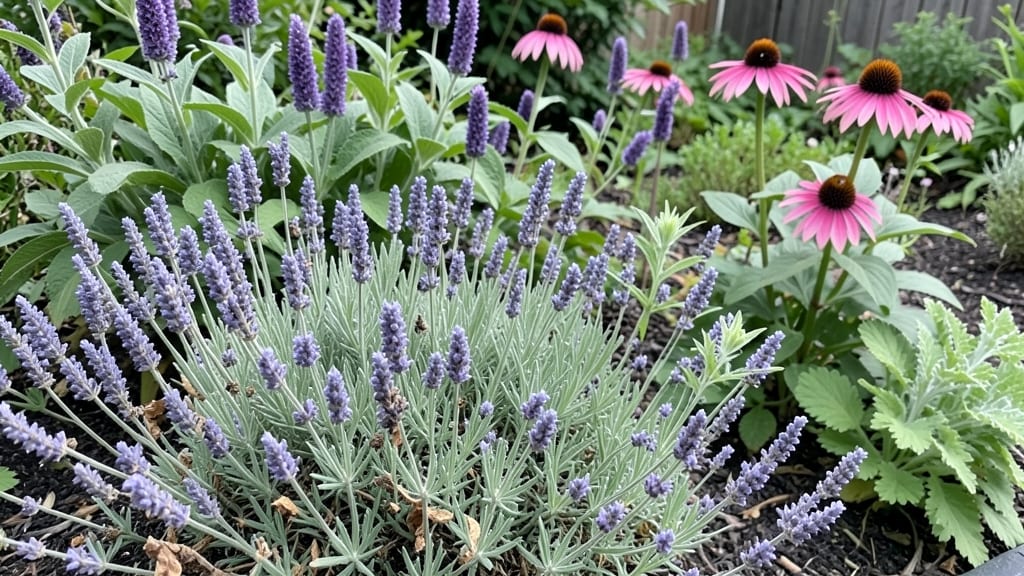
Creating an outdoor plants garden that hums with life all year takes more than just sticking plants in the ground. ✨ I learned this the hard way when my first garden looked like a botanical free-for-all—until I discovered the magic of companion pairings that support each other naturally.
The right neighbors can deter pests, improve soil, and even boost flower production without extra work.
Start with your garden’s light conditions and soil type—sun-loving lavender pairs beautifully with drought-tolerant rosemary, while shade-friendly ferns thrive alongside hostas. For low-maintenance options, try mixing hardy perennials like coneflowers with self-seeding annuals such as nasturtiums. These combos create a self-sustaining ecosystem that cuts down on weeding and watering.
By the end of the season, you’ll have a garden that looks intentional, not accidental—vibrant blooms, lush foliage, and plants that protect each other from bugs and disease.
The best part? These pairings work across climates, from coastal gardens to hot inland yards. Let’s build a garden that does the heavy lifting for you.
Whether you’re designing a cottage-style border or a sleek modern container garden, the principles stay the same: match plants with similar water needs, complementary heights, and shared pest deterrents. Start small with one or two proven pairings, then expand as you see what thrives together in your space.
📚 In This Guide
- What you need
- Instructions
- Tips and common mistakes
- Wrapping up and next steps
What you need
- ● Companion Plant Seeds or Seedlings: 3–5 herbs (e.g., basil, thyme, oregano—great for pest control and flavor!)
- ● 2–3 vegetables (e.g., tomatoes, carrots, or lettuce—pick 2–3 that thrive together)
- ● 1–2 flowers (e.g., marigolds, nasturtiums, or sunflowers—to attract pollinators and deter pests)
- ● Soil: 5–10 gallons of well-draining potting mix (or compost-enriched garden soil if planting in-ground)
- ● 1–2 cups of compost or organic fertilizer (for nutrient boost)
- ● Containers or Garden Space: Containers: 5–10 pots (6–12 inches deep, with drainage holes) or
- ● Garden beds: 4’x4’ or larger (raised beds work great for companion planting!)
- ● Tools: 1 hand trowel (for planting and transplanting)
- ● 1 garden gloves (to protect your hands)
- ● 1 watering can or hose with a gentle nozzle (for precision watering)
- ● 1 pruners or scissors (for trimming and harvesting)
- ● Mulch: Straw or wood chips (2–3 inches) to retain moisture and suppress weeds.
- ● Pest Deterrents: Neem oil or diatomaceous earth (for organic pest control).
- ● Trellis or Stakes: For climbing plants like beans or cucumbers (adds vertical space!).
- ● pH Test Kit: To ensure your soil is ideal for your chosen plants (most companions prefer 6.0–7.0).
- ● Garden Markers: Labels for tracking plant pairings and harvest dates.
How to design a year-round outdoor plants garden with perfect companion pairings
Here’s the system I use to create harmonious plant pairings that support each other’s growth.
🌱 Step 1: Group Plants by Sunlight and Water Needs
Start by sorting your plants into three categories: full sun (6+ hours daily), partial shade (3-6 hours), and full shade (less than 3 hours). I always begin by mapping my garden’s sun exposure—some areas get morning sun only, while others bake all afternoon. Pair sun-loving herbs like rosemary and thyme together, but keep them away from moisture-loving plants like hostas or ferns.
Water requirements are just as critical. Group drought-tolerant plants like lavender and sedum together in one bed, while moisture-lovers such as impatiens and astilbe go in another. This prevents overwatering or underwatering, which can stress plants and attract pests. I mark each group on a simple sketch to visualize the layout before planting.
🌿 Step 2: Pair Beneficial Companions for Pest Control and Growth
Some plants naturally repel pests or improve soil health when grown together. I always include marigolds near tomatoes and peppers—their strong scent deters aphids and nematodes. Basil planted beside tomatoes not only repels flies but also enhances flavor. For a shade garden, pair astilbe with heuchera—their contrasting foliage creates visual interest while their shallow roots share the same soil layer without competing.
Don’t overlook ground covers like creeping thyme or ajuga—they suppress weeds and retain moisture for taller plants. I avoid planting mint near anything except in containers, as it spreads aggressively and can choke out neighbors. Instead, I tuck it beside lavender in a corner where it can spread without causing chaos.
✂️ Step 3: Layer Plants by Height and Seasonal Interest
Create vertical layers for a lush, full garden. Start with tall perennials like hollyhocks or delphiniums at the back, followed by mid-height shrubs such as dwarf lilacs or butterfly bush. Fill the front with low-growing annuals like sweet alyssum or petunias to create a soft edge. This arrangement ensures no plant is overshadowed and every season has something blooming.
For year-round interest, mix spring bloomers (like bleeding heart), summer stars (such as coneflowers), and fall/winter structure (like ornamental grasses or evergreen shrubs). I always include winterberry holly for berries in cold months and heather for early spring color. This way, the garden never looks bare.
💧 Step 4: Mulch and Maintain for Long-Term Harmony
Apply a 2-3 inch layer of mulch (like shredded bark or pine straw) around each group to retain moisture, regulate soil temperature, and suppress weeds. I avoid piling mulch directly against plant stems—keep it 2 inches away to prevent rot. For container pairings, use slow-release fertilizer every 6-8 weeks to keep both plants thriving without overfeeding one at the expense of the other.
Monitor for signs of imbalance—yellowing leaves often mean one plant is outcompeting its neighbor for nutrients. If this happens, I either divide the overgrown plant or add compost to boost soil fertility. Regular pruning keeps plants in check and encourages bushier growth. A quick weekly check ensures no pests or diseases are spreading between companions.
Tips & tricks for perfect outdoor plants garden design
Creating a thriving outdoor garden isn't just about planting—it's about strategic pairings that work together year-round. Here are the key insights I've learned to ensure every plant has the perfect companion.
Sunlight Mapping Matters: Before planting, use a whiteboard or sketchpad to map your garden's sun exposure for at least 3-6 hours throughout the day. I've seen too many gardens fail because rosemary and thyme were planted in shade—these sun-lovers need their full 6+ hours to thrive. Mark your garden in morning, afternoon, and evening light to catch those tricky microclimates where sun only hits certain areas for part of the day.
Root Competition Watch: In Step 3 when layering plants, pay special attention to root zones. I once planted creeping thyme directly under a butterfly bush, and within a year, the thyme disappeared—it couldn't compete for nutrients. Always pair plants with similar root depths: shallow-rooted ground covers like ajuga with other shallow-rooted plants, and deep-rooted perennials like delphiniums together. This simple adjustment prevents the "haves and have-nots" syndrome in your garden.
Seasonal Transition Planning: The key to year-round interest lies in planning your seasonal transitions during Step 3. I create a simple chart showing which plants bloom when—spring's bleeding heart, summer's coneflowers, and fall's ornamental grasses. The trick is to have at least two plants in each season category so there's always something in bloom. For example, pair spring's heather with early summer's sweet alyssum to create a seamless transition.
Mulch Application Technique: When applying that 2-3 inch layer of mulch in Step 4, resist the urge to pile it high against stems. I learned this the hard way when my winterberry holly developed rot from mulch touching its trunk. Always maintain that 2 inch clearance around stems while still covering roots. For container pairings, use a lighter mulch like pine straw that won't compact and suffocate roots over time.
Pro Tips for Outdoor Plants Garden
- Creating a thriving outdoor garden isn't just about planting—it's about strategic pairings that work together year-round.
- Sunlight Mapping Matters: Before planting, use a whiteboard or sketchpad to map your garden's sun exposure for at least 3-6 hours throughout the day.
- Root Competition Watch: In Step 3 when layering plants, pay special attention to root zones.
Frequently asked questions
Got questions about creating a thriving outdoor garden with companion plants? Here are some of the most common ones—plus expert answers to help you garden with confidence!
What are the best beginner-friendly companion plant pairings for outdoor gardens?
Start with classic, low-maintenance combos like basil and tomatoes (they repel pests and boost flavor ), marigolds and peppers (natural pest control), or carrots and onions (they deter carrot flies). These pairings are forgiving and yield great results even for new gardeners!
How long does it take to see benefits from companion planting?
Some benefits, like pest deterrence or improved soil health, appear within weeks (e.g., marigolds repelling nematodes). Others, like enhanced flavor or growth, may take a full season. For example, basil near tomatoes can improve taste by late summer, while nitrogen-fixing plants like clover take time to enrich soil.
Can I use companion plants in containers or small spaces?
Pair dwarf varieties like bush beans with lettuce or cherry tomatoes with thyme in pots. Just ensure containers are large enough (at least 12" deep) and provide good drainage. Herbs like mint or oregano also thrive in small spaces and deter pests naturally.
What do I do if companion plants aren’t working (e.g., pests still attack)?
First, check if the pairings are truly compatible—some plants (like corn and potatoes) compete for nutrients. Try rotating crops yearly or adding natural barriers (e.g., row covers, neem oil). If pests persist, introduce beneficial insects like ladybugs or adjust spacing for better airflow.
Do companion plants require different care in hot vs. cold climates?
Yes! In hot climates, pair drought-tolerant plants like lavender with rosemary or okra with sweet potatoes. In cool climates, opt for cold-hardy combos like kale and onions or spinach with radishes. Always research USDA hardiness zones and adjust watering/mulching accordingly.
Wrapping up and next steps
Creating a thriving outdoor plants garden with companion pairings isn’t just possible—it’s easier and more rewarding than you think! 🌿 By leveraging nature’s teamwork, you’ll enjoy healthier plants, fewer pests, and stunning year-round beauty with minimal effort.
Whether you’re a seasoned gardener or just starting, these pairings make maintenance a breeze.
Ready to transform your space? Start small—pick one or two pairings to test this season! Grab your gardening gloves, sketch a simple layout, and watch your garden flourish. Happy planting! 🌱