
Light Requirements
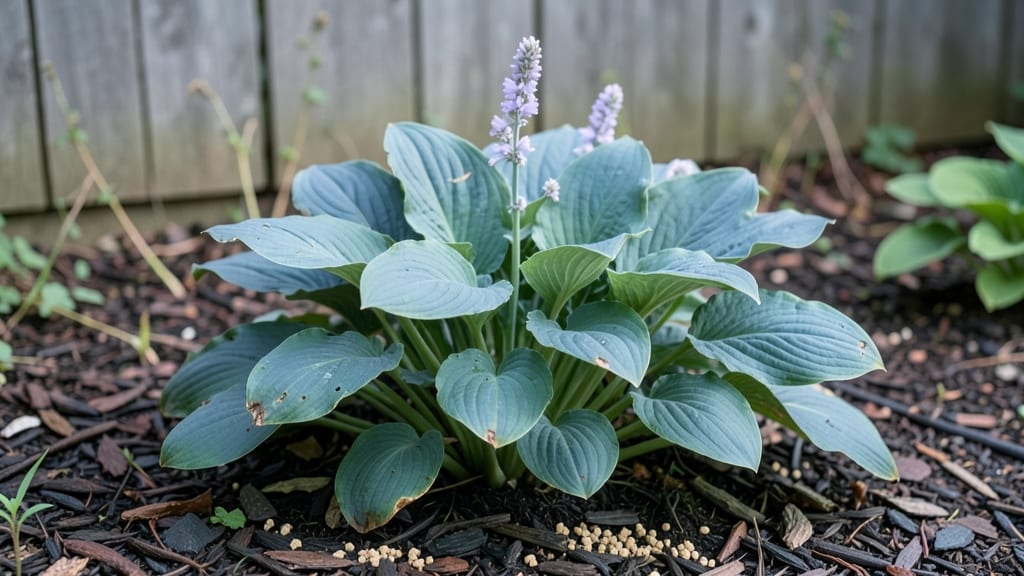
A part shade garden isn't a compromise—it's an opportunity to create lush, vibrant spaces where sunlight and shade play together. ✨ I've designed three stunning part-shade beds where ferns unfurl beside hostas, and hydrangeas bloom alongside astilbes, all thriving under dappled light.
The key isn't avoiding sun—it's pairing plants that complement each other's needs, from moisture-loving perennials to drought-tolerant ground covers.
Start with the right plants: heuchera with its jewel-toned foliage, foamflower for delicate white blooms, and Japanese forest grass for movement.
Layer them with shrubs like spirea or inkberry holly to add structure, and don't forget mulch—it keeps roots cool and conserves moisture, which is critical in part shade where evaporation slows but rain can linger. A gravel path or stone bench adds hardscape contrast while preventing soil compaction.
What you'll end up with is a garden that feels alive year-round—spring's bleeding heart blooms, summer's shade-loving annuals, and fall's golden foliage all working together. The trick is balancing moisture (too much shade means soggy soil) and light (even part shade needs some sun for flowering).
With the right mix, your garden will stay lush, low-maintenance, and full of surprises—like finding wild ginger popping up where you least expect it.
This approach works for woodland gardens, north-facing yards, or even under large trees—anywhere sunlight hits in patches. The same principles apply whether you're filling a small corner or a large border. Let's make that shady spot the star of your garden!
📚 In This Guide
- What you need
- Instructions
- Tips and common mistakes
- Wrapping up and next steps
What you need
- ● Soil amendments: Compost (5–10 gallons, depending on garden size) 🌿
- ● Organic mulch (e.g., shredded bark or pine needles, 2–3 inches deep)
- ● Slow-release fertilizer (balanced 10-10-10 or organic options like fish emulsion)
- ● Plants: 3–5 part-shade-tolerant perennials (e.g., hostas, ferns, astilbes, or heucheras)
- ● 2–3 annuals or biennials (e.g., impatiens, bleeding hearts, or lungwort)
- ● 1–2 shrubs or small trees (e.g., hydrangeas, dogwood, or Japanese maple)
- ● Tools: Garden trowel or hand fork
- ● Pruners (sharp and clean!) 🔪
- ● Garden gloves (heavy-duty for mulching)
- ● Wheelbarrow or bucket (for hauling soil/mulch)
- ● Measuring tape (to map out plant spacing)
- ● Drip irrigation system or soaker hoses (for consistent moisture)
- ● Garden stakes or plant labels (to track sunlight needs)
- ● Edging tools (for clean borders between garden beds)
- ● Lightweight shade cloth (if your area gets too much sun on hot days)
- ● Decorative rocks or stepping stones (for pathways or aesthetics)
How to design a thriving part shade garden
Smart sunlight pairings transform tricky shade into a lush, low-maintenance paradise.
🌿 Step 1: Map Your Shade Patterns and Soil Conditions
Start by observing your space for 2-3 weeks—note where sunlight shifts throughout the day. Use a sunlight map (or smartphone app) to track morning sun (cooler, indirect), midday dappled light (filtered through trees), and afternoon shade (deepest). Most part shade gardens receive 3-6 hours of filtered light daily, but this varies by season.
Dig a 6-inch deep soil test hole in multiple spots. Part shade plants thrive in well-draining, slightly acidic soil (pH 6.0-7.0). If your soil compacts easily or feels waterlogged, amend with 2-3 inches of compost mixed into the top 12 inches. I always add a handful of leaf mold (decomposed leaves) for extra organic matter—it mimics the forest floor where many shade-loving plants originate.
🪴 Step 2: Select Plants for Layered Light Tolerances
Group plants by their sunlight needs to create natural transitions. Start with deep shade lovers (1-3 hours light) like hostas, ferns, and astilbes near the north or east side of your garden. Move to part shade adaptables (3-6 hours light)—such as heucheras, lungwort, and Japanese forest grass—toward the center. Finish with tolerant sun-lovers (6+ hours but can handle shade) like hydrangeas, impatiens, and coral bells on the south or west edges.
I always plant 3-5 of each variety to ensure visual impact while allowing airflow. Space perennials 18-24 inches apart and annuals 12-16 inches apart—crowding leads to fungal issues in humid shade. For texture contrast, pair broadleaf plants (hostas, heucheras) with fine-textured grasses (Japanese forest grass, carex) and spiky foliage (ferns, astilbes).
☀️ Step 3: Arrange for Seasonal Sunlight Shifts
Summer shade differs from winter light—deciduous trees drop leaves in fall, exposing plants to more sun. Place sun-sensitive species (like impatiens) under evergreen trees or shrubs (rhododendrons, boxwoods) to buffer afternoon heat. For winter sun exposure, position sun-loving perennials (like hydrangeas) where they’ll catch low winter sunlight without scorching in summer.
Use mulch (2-3 inches of shredded bark or leaves) to regulate soil temperature and retain moisture. I always apply mulch in early spring after the last frost, keeping it 6 inches away from plant stems to prevent rot. For container gardens, choose self-watering pots with 1-2 inches of mulch on top to reduce evaporation.
💧 Step 4: Water and Fertilize for Shade-Specific Needs
Part shade gardens retain moisture longer but can still dry out—water deeply once a week (or more in 90°F+ heat) until top 2 inches of soil feel moist. I test this by sticking my finger in—if it’s dry at 1 inch, it’s time to water. Overhead watering encourages fungal diseases, so use a soaker hose or drip irrigation at the base of plants. Early morning is ideal to prevent evening dampness that invites slugs and mildew.
Feed with a balanced, slow-release fertilizer (10-10-10) in early spring and a low-nitrogen, high-phosphorus formula (5-10-10) in late summer to encourage blooming. I avoid high-nitrogen fertilizers—they promote leafy growth at the expense of flowers, which many shade plants need to thrive. For acid-loving plants (like azaleas or hydrangeas), add sulfur or peat moss to maintain pH 5.0-6.0.
✂️ Step 5: Prune and Maintain for Long-Term Health
Prune dead or yellowing leaves in early spring to improve airflow and reduce disease risk. For blooming perennials (like astilbes or heucheras), cut back brown stems to the ground in late winter—this encourages new growth from the base. I always sterilize pruners with rubbing alcohol between cuts to prevent spreading bacterial leaf spot, a common shade garden issue.
Monitor for pests like slugs and vine weevils, which thrive in damp shade. Handpick slugs at dusk or use copper tape barriers around containers. For weevils, apply neem oil in early evening when beneficial insects are less active. Mulch with pine needles or cedar chips—their scent naturally deters many garden pests while adding acidic organic matter to the soil.
Tips & tricks for perfect part shade garden design
Creating a thriving part shade garden isn't just about planting—it's about understanding the subtle dance between light and plant needs. These insights will help you transform tricky shade into a vibrant, low-maintenance oasis.
Light Layering Strategy: The 3-6 hours of filtered light mentioned in Step 1 is your golden range, but don't treat all shade equally. I've found that positioning deep shade lovers (like hostas) on the north side captures the coolest morning light, while part shade adaptables (such as heucheras) thrive in the center where they get that perfect midday dappled exposure. Think of it like a light gradient—each plant gets exactly what it needs without competition.
Soil Science Secret: That 6-inch deep soil test in Step 1 reveals more than just pH—it shows how your soil holds moisture. If your soil feels compacted, the 2-3 inches of compost mixed into the top 12 inches creates ideal conditions, but here's the trick: mix in leaf mold too. It mimics forest floor conditions and improves drainage while retaining moisture better than plain compost alone. The key is to work it in gently—don't disturb the root zones of existing plants.
Seasonal Transition Hack: When arranging for seasonal shifts in Step 3, don't forget about your microclimate. Evergreen shrubs like rhododendrons create perfect summer shade, but in winter when they lose their leaves, they actually let more light through. I position sun-sensitive plants like impatiens just behind these shrubs so they get summer protection while catching winter sun. It's like having a built-in light filter that adjusts automatically.
Watering Wisdom: The once-a-week watering guideline in Step 4 works for most part shade gardens, but here's the pro move: use the "finger test" at different times of day. In 90°F+ heat, I check moisture at 10am and 4pm—if both show dry soil at 1 inch down, I water deeply. This prevents both underwatering and the fungal issues that come from keeping soil too wet. The early morning watering rule is non-negotiable—it gives leaves time to dry before nightfall, which is when most fungal spores become active.
Pro Tips for Part Shade Garden
- Creating a thriving part shade garden isn't just about planting—it's about understanding the subtle dance between light and plant needs.
- Light Layering Strategy: The 3-6 hours of filtered light mentioned in Step 1 is your golden range, but don't treat all shade equally.
- Soil Science Secret: That 6-inch deep soil test in Step 1 reveals more than just pH—it shows how your soil holds moisture.
Frequently asked questions
Got questions about creating a part shade garden?
You’re not alone! Here are answers to the most common queries to help you design a lush, low-maintenance space that thrives in dappled sunlight.
What’s the best way to test sunlight in my part-shade garden?
Use the sunlight mapping trick: Observe your space for a full day (or at least 6 hours) to track how sunlight shifts. Mark areas with 4+ hours of direct sun (full sun), 2–4 hours (part shade), and <2 hours (deep shade). A simple app like Sun Surveyor can automate this with your phone!
Can I plant annuals in a part-shade garden, or should I stick to perennials?
Annuals like impatiens, fuchsias, and coleus thrive in part shade, offering quick color and texture. For perennials, try hostas, astilbes, or heucheras—they’re low-maintenance and return yearly. Pro tip: Mix both for year-round interest! Annuals add seasonal flair, while perennials build a permanent foundation.
What if my part-shade plants look leggy or weak?
Leggy growth usually means too little light or overcrowding. Try these fixes:
- Thin out plants to improve airflow and light penetration.
- Add reflective mulch (like white gravel) to bounce light onto stems.
- Rotate pots occasionally to ensure even exposure.
- Fertilize lightly with low-nitrogen feed (like 5-10-10) to encourage bushier growth.
Do part-shade plants need extra watering?
Part-shade gardens often retain moisture longer than sunny spots, but container plants dry out faster. Water deeply 1–2 times per week (check soil 1" down—if it’s dry, it’s time!). Mulch heavily (2–3" of shredded bark or leaves) to lock in moisture and deter weeds. Drainage is key—avoid soggy roots!
Can I convert a full-sun garden to part shade?
Yes! Start by gradually acclimating plants to lower light (move containers incrementally or use shade cloth). Swap sun-lovers like lavender or succulents for shade-tolerant alternatives:
Full Sun Plant
Part Shade Swap
Lavender
Mint or heuchera
Sunflowers
Coleus or impatiens
Rosemary
Ferns or hostas
Monitor progress—some plants (like roses) may need a year to adjust!
Wrapping up and next steps
A part shade garden is all about balance—matching the right plants to the right light conditions for a lush, low-maintenance space. 🌿 By understanding your garden’s unique sunlight patterns and selecting shade-tolerant (or sun-loving) companions, you’ll create a thriving oasis that’s both beautiful and resilient.
Ready to get growing? Start small—pick one or two plants from this guide, observe how they perform, and expand your garden’s personality over time. Happy planting!