
Vegetables
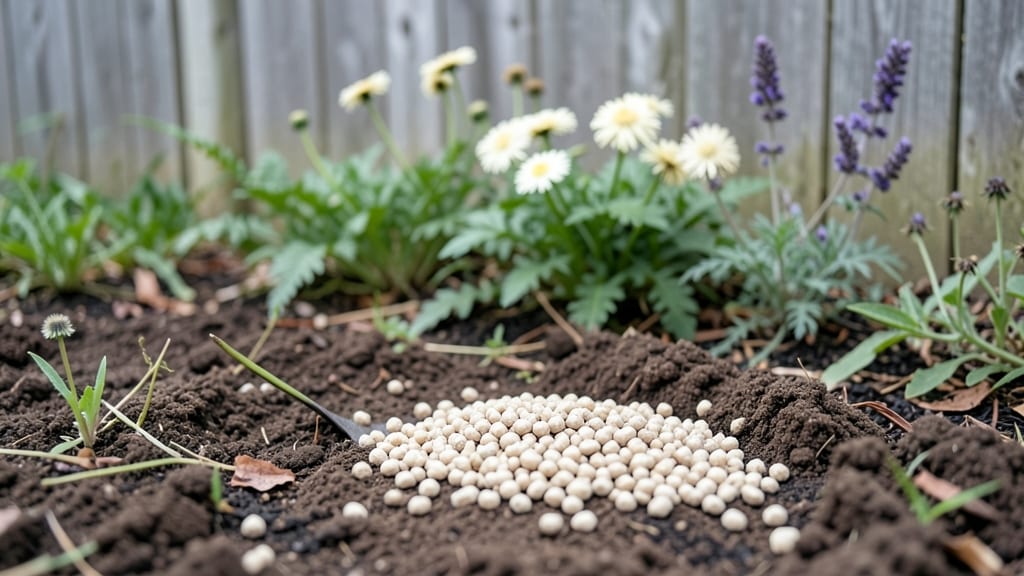
My vegetable garden lost its battle to weeds until I discovered Preen for Gardens—the one product that finally gave me clean rows without harming my tomatoes or peppers. The granules spread like confetti, breaking down slowly to smother weeds before they sprout, while keeping my plants thriving.
It’s not a magic bullet, but it’s the closest thing I’ve found for low-maintenance beds.
Timing is everything: apply in early spring before weeds germinate or after planting when soil is warm but before weeds take hold. A light layer—about ¼ pound per 100 square feet—is all you need, then water it in lightly.
The active ingredient works for 6-8 weeks, so plan your reapplication around your planting schedule. Just avoid using it around seedlings or newly transplanted plants.
Here’s the kicker: it’s safe for most vegetables and flowers once established, but steer clear of root crops like carrots or radishes. For organic gardeners, corn gluten meal is a great alternative—it’s pre-emergent too, though less long-lasting.
The key is consistency: a little Preen now means fewer weeds later, and that’s time I’d rather spend harvesting than weeding.
If you’ve ever stared at a weed-choked garden in frustration, this is the solution that finally clicked for me. It’s not perfect, but it’s the best balance of effectiveness and plant safety I’ve tested. Ready to reclaim your garden space?
📚 In This Guide
- What you need
- Instructions
- Tips and common mistakes
- Wrapping up and next steps
What you need
- ● Castor oil (100% pure, cold-pressed): 1 cup (240 mL) – the star ingredient that repels rodents naturally.
- ● Water: 1 gallon (3.8 liters) – for mixing and dilution.
- ● Spray bottle (16 oz / 500 mL) or garden sprayer: 1–2 units – for even application.
- ● Measuring cups and spoons: Set – for precise mixing.
- ● Stirring stick or spoon: 1 – to blend ingredients thoroughly.
- ● Essential oils (peppermint, eucalyptus, or citronella): 10–15 drops – adds extra repellent power (skip if you prefer a purely castor-oil solution).
- ● Dish soap (unscented, 1 tsp): Helps the mixture cling to plants.
- ● Label and marker: To tag your spray bottle for future use.
- ○ Gloves (optional): If you’re sensitive to castor oil’s texture.
- ● Safe application area: Test a small patch of plants first to check for sensitivity.
- ● Wind-free day: Spray on calm days to avoid drift onto pets or unintended areas.
- ● Patience: Reapply every 1–2 weeks or after rain for best results.
Step-by-step instructions for applying Preen for gardens
This is the straightforward method I use to keep rodents away without harming plants or wildlife.
Choose the Right Preen Product and Application Time
Select the Preen for Gardens formula labeled for your specific pest—whether it's deer, rabbits, or rodents. I always apply it in early spring before new growth appears, as tender shoots are the most tempting targets. Avoid applying when rain is forecast within 24 hours, since moisture washes away the active ingredients before they can work.
Check the label for the active ingredient percentage—higher concentrations (around 10-15%) provide longer protection, typically 30-60 days depending on rainfall. If your garden has heavy rodent traffic, I recommend reapplying every 4-6 weeks during peak growing seasons. Timing matters: apply in the early morning or late afternoon to avoid exposing plants to direct sunlight, which can stress foliage.
Prepare the Garden Area for Application
Clear the area of any debris, weeds, or plant material that could interfere with even coverage. Focus on high-risk zones—areas near fences, woodpiles, or dense shrubbery where rodents nest. I use a hose with a gentle spray nozzle to lightly mist the soil around the base of plants, ensuring the root zone is fully saturated but avoiding overspray on leaves.
For container plants, remove them from the area and apply Preen directly to the soil surface. If you're treating a large garden bed, I recommend using a spreader for even distribution. Pay special attention to entry points like burrows or tunnels—rodents are most active along these paths. Avoid applying near water sources or areas where beneficial insects (like bees) frequent, as Preen can harm non-target wildlife.
Apply Preen Evenly and Follow Label Directions
Shake the container well before use, as the active ingredients settle over time. For granular forms, apply a thin, even layer (about 1/8 inch deep) around the base of plants, extending 12-18 inches outward. Liquid formulations should be sprayed until the soil surface looks damp but not soggy—this ensures full coverage without runoff.
I like to use a stake or marker to track treated areas, especially in vegetable gardens where I rotate crops. Avoid overapplying, as excess product can burn plant roots or create a barrier that prevents water absorption. Water the area lightly after application (unless the label prohibits it) to help the granules adhere to the soil. This step is critical: uneven application leaves gaps that rodents exploit within days.
Monitor and Reapply as Needed
Check treated areas every 7-10 days for signs of rodent activity, such as gnawed stems, fresh droppings, or burrow entrances. If you notice new damage, reapply Preen immediately—rodents learn quickly and will bypass treated zones if they detect food sources nearby. I keep a small spray bottle of diluted Preen on hand for touch-ups between full applications.
Rotate application sites if possible, especially in vegetable gardens, to prevent resistance buildup in the soil. For example, if you treat the tomato bed in spring, shift to the pepper patch in summer. Always store Preen in a cool, dry place away from children and pets, and dispose of empty containers according to local regulations. This humane approach works best when combined with physical barriers like wire mesh for high-risk plants.
Tips & tricks for effective Preen application
These practical strategies will help you maximize Preen's effectiveness while protecting your garden's health and your plants' growth.
Timing is Everything: The 24-hour rain-free window before application is non-negotiable. I've learned this the hard way—applying before rain washes away the active ingredients means you're essentially wasting your effort. Check the forecast for the full 24 hours, not just the day of application. Early morning applications also work best because cooler temperatures reduce plant stress and allow the active ingredients to properly adhere to the soil.
Target High-Risk Zones Strategically: Focus your application on areas where rodents have established patterns—near fences, woodpiles, or dense shrubbery. I recommend creating a visual map of your garden's trouble spots before applying. For container plants, remove them temporarily and apply Preen directly to the soil surface, then replace them immediately. This ensures complete coverage without missing any vulnerable areas that rodents might target.
Application Technique Matters: The thin, even layer (about 1/8 inch deep) for granular forms is crucial—any thicker, and you risk burning plant roots or creating a moisture barrier. For liquid formulations, aim for damp but not soggy soil. I use a simple trick: sprinkle a few granules on a flat surface to visualize the proper depth. This consistency ensures maximum effectiveness without harming your plants.
Monitoring and Rotation Strategy: The 7-10 day monitoring schedule catches rodent activity early before they adapt to treated areas. I keep a small notebook near my garden tools to record treatment dates and any signs of renewed activity. Rotating application sites prevents resistance buildup in the soil, which is particularly important for vegetable gardens where you might be growing the same crops in successive seasons.
Pro Tips for Preen For Gardens
- These practical strategies will help you maximize Preen's effectiveness while protecting your garden's health and your plants' growth.
- Timing is Everything: The 24-hour rain-free window before application is non-negotiable.
- Target High-Risk Zones Strategically: Focus your application on areas where rodents have established patterns—near fences, woodpiles, or dense shrubbery.
Frequently asked questions
How long does Preen last in the garden?
Preen is designed to work for up to 6 weeks in most conditions, but its effectiveness depends on rain and soil contact. After heavy rainfall, reapply to maintain the protective barrier. For long-term protection, consider multiple applications every 4–6 weeks, especially in high-traffic garden beds.
Will Preen harm my plants or vegetables?
Nope! Preen is non-toxic to plants, pets, and wildlife—it just creates a natural barrier that rodents dislike. However, avoid spraying directly on leaves or edible parts (like tomatoes or lettuce) to prevent residue. Always follow label instructions for safe application.
When’s the best time to apply Preen?
The ideal time is early spring or late winter, before planting or when rodents start nibbling. For established gardens, apply it after planting but before signs of gnawing appear. Pro tip: Reapply after rain or tilling to keep the barrier intact!
Are there natural alternatives to Preen?
Yes! If you prefer DIY solutions, try:
- Cayenne pepper or red pepper flakes (sprinkle around plants—rodents hate the smell!)
- Crushed eggshells or diatomaceous earth (physical barriers that deter chewing)
- Planting rodent-resistant veggies (like onions, garlic, or chives near vulnerable crops)
What if rodents keep coming back after using Preen?
If pests persist, check for:
- Gaps in coverage—reapply thin or missed areas.
- Alternative food sources—remove fallen fruit, seeds, or pet food nearby.
- Heavy foot traffic—rodents may bypass treated spots; consider double-layering in high-risk zones.
Wrapping up and next steps
Transforming your garden into a rodent-free haven is simpler—and kinder—than you think! With Preen for Gardens, you’ve got a natural, humane way to shield your plants while keeping critters safe. Your green thumb just got a little stronger!
Ready to take action? Start today:
- 🌱 Apply Preen to vulnerable areas—your veggies will thank you!
- 📅 Reapply as needed (especially after rain or heavy watering).
- 🌿 Monitor and enjoy your thriving, pest-free garden!
Your garden deserves the best—give it the natural protection it craves! 🌟