
Companion Plants
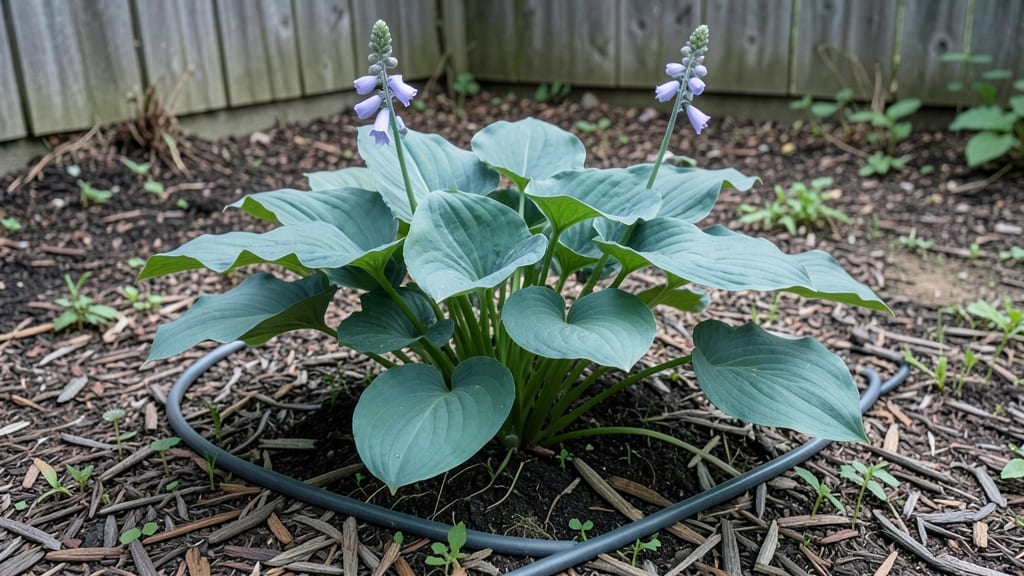
Shady garden plants don’t mean giving up on a lush, vibrant space—it’s about choosing the right companions for low-light areas. 🌿 I’ve transformed my own dim corners into thriving retreats by selecting plants that actually love the shade, from delicate ferns to bold hostas.
The key isn’t deprivation; it’s matching the right plant to the right spot, where even indirect light gets put to work.
Most shade lovers thrive with 4-6 hours of dappled light, though some, like Japanese painted ferns, do fine with just a few hours.
My go-to list includes heucheras for their jewel-toned foliage, astilbes for feathery plumes, and foxgloves for dramatic height—all of which reward patience with long seasons of interest. The best part? These plants often demand less water once established, making them perfect for busy gardeners.
You’ll end up with a layered garden that feels alive, even under trees or along north-facing walls. Picture hostas spilling over borders, bleeding hearts cascading like pink waterfalls, and sweet woodruff adding delicate ground cover.
The textures and colors create depth, turning what might seem like wasted space into a serene, productive corner of your yard.
Works for everything from woodland gardens to urban patios—just adjust spacing and soil prep. Here’s how to pick the perfect shade-loving lineup for your space, no matter how little sunlight it gets.
📚 In This Guide
- What you need
- Instructions
- Tips and common mistakes
- Wrapping up and next steps
What you need
- ● Shade-tolerant plants (5–10 varieties): Hostas (e.g., Hosta 'Blue Angel') – 3–5 plants
- ● Ferns (e.g., Matteuccia struthiopteris) – 2–4 plants
- ● Hellebores (e.g., Helleborus niger) – 3–5 plants
- ● Astilbes (e.g., Astilbe 'Fanal') – 2–3 plants
- ● Lungwort (Pulmonaria spp.) – 3–4 plants
- ● Japanese anemones (Anemone hupehensis) – 2 plants
- ● Organic mulch (2–3 bags): Shredded bark or pine needles (3–4 inches deep)
- ● Slow-release fertilizer (1–2 bags): Balanced (10-10-10) or acidic (for azaleas/rhododendrons)
- ● Compost or well-aged manure (1–2 cubic yards): For enriching soil
- ● Garden trowel (1)
- ● Pruning shears (1 pair)
- ● Garden gloves (1–2 pairs)
- ● Watering can or hose with adjustable nozzle (1)
- ● Measuring tape (1)
- ○ Wheelbarrow (optional, for hauling mulch/compost)
- ● Partial to full shade area (dappled sunlight or <6 hours of direct sun/day)
- ● Well-draining, moist (but not soggy) soil—amend with compost if needed
- ○ pH test kit (optional, to check soil acidity for acid-loving plants like azaleas)
Step-by-Step guide to designing a thriving shady garden
Here’s how to transform dim corners into lush, vibrant spaces with the right plant choices.
🌿 Step 1: Select the Perfect Shade-Tolerant Plants
Start with plants that naturally thrive in low to moderate light—think hostas, ferns, astilbes, and impatiens—these are the stars of shady gardens. I always choose varieties with bold foliage (like heucheras or coleus) to add texture and color where sunlight struggles. Avoid sun-lovers like lavender or succulents—they’ll wilt faster than a wilting daisy in a heatwave.
For height, reach for astilbes or foxgloves, which tower elegantly without needing direct sun. Underneath, sweet woodruff or lungwort will spread like a living carpet, their delicate leaves catching every dappled ray. Here’s the thing—hostas are the workhorses of shade, but they need well-draining soil or they’ll rot. I swear by ‘Blue Angel’ hostas for their striking blue-green foliage that pops in dim light.
🪴 Step 2: Prepare the Soil for Shade Success
Shady spots often mean compacted, nutrient-poor soil, so amend it with 3-4 inches of organic matter—think compost or well-aged manure—to loosen the earth and boost fertility. I dig in a 5-gallon bucket of compost per 4-square-foot area to give roots room to breathe. Test your soil’s moisture too; shade gardens stay damp longer, so sandy loam drains best and prevents root rot.
If your soil is heavy clay, mix in pearlite or coarse sand to improve drainage. A mulch layer of 2-3 inches (like shredded bark or leaf mold) keeps moisture in and weeds out. I always mulch right after planting—it’s the difference between thriving plants and struggling ones in a gloomy corner.
☀️ Step 3: Plan for Light Layers and Texture
Layer plants by height and habit to create depth—tall back, medium middle, low front. Start with woody shrubs like hydrangeas or pieris at the back, then add mid-height perennials like bleeding hearts or Japanese forest grass. Finish with ground covers such as ajuga or sweet woodruff to stitch everything together.
Texture matters too. Pair fuzzy lamb’s ear with spiky ferns or glossy hostas with ruffled astilbes for contrast. I like to group 3-5 plants of the same variety together for a bold look—like a cluster of ‘Halcyon’ hostas—while mixing foliage colors (deep purple, chartreuse, silver) to keep it dynamic. Avoid planting everything in a single line; clusters create drama in shady spots.
💧 Step 4: Water Wisely Without Overdoing It
Shady gardens stay moist longer, but too much water leads to root rot. Water deeply once a week (or more in extreme heat) until the soil is 6 inches down. I check with my finger—if the top 2 inches feel dry, it’s time to water. Drip irrigation is my go-to for shade gardens because it delivers water slowly and evenly, avoiding soggy patches.
Morning watering is key—early light helps foliage dry faster, reducing fungal diseases like powdery mildew. If your garden has very dense shade (like under a thick canopy), you might need to water every 5-6 days instead. Watch for yellowing leaves—that’s your cue to adjust. Here’s the trick: water at the base, not overhead, to keep leaves dry and healthy.
✂️ Step 5: Prune and Maintain for Long-Term Beauty
Shade plants need minimal pruning, but deadheading spent blooms (like on impatiens or astilbes) encourages more flowers. I snip off wilted stems right after they fade to keep the plant tidy and focused on new growth. For woody shrubs like hydrangeas, prune in late winter or early spring before new shoots appear—this prevents leggy growth.
Divide crowded perennials like hostas or ferns every 3-4 years to rejuvenate them. I dig up clumps in early spring or fall, split them with a sharp knife, and replant the best sections. Fertilize lightly in spring with a balanced 10-10-10 formula—shade plants don’t need heavy feeding, but a little boost keeps them vibrant. Mulch again in late fall to protect roots over winter.
Tips & tricks for perfect shady garden plant arrangements
Transforming dark corners into vibrant havens isn't just about plant selection—it's about the little details that make all the difference. Here's what I've learned after years of turning gloomy spaces into lush retreats.
Soil Science Matters: That 5-gallon bucket of compost per 4-square-foot area in Step 2 isn't just a suggestion—it's a game-changer. I've seen plants struggle in compacted soil even when given premium shade varieties. For clay-heavy soils, mix in 2 parts compost to 1 part perlite—this creates the perfect airy medium that roots crave. The key is breaking up thatpan-like consistency while maintaining moisture retention.
Light Layering Secrets: When creating your tall-back-to-low-front arrangement in Step 3, think vertically like a painter with depth. I always place my hydrangeas against fences or walls to create instant height drama, then tuck bleeding hearts in front to spill over edges beautifully. Pro tip: Use a garden tape measure to mark your layers—3 feet for tall shrubs, 18 inches for mid-height perennials, and 6-12 inches for ground covers creates perfect proportions every time.
Watering Wisdom: The once-a-week deep watering in Step 4 works perfectly, but here's the trick: Use a moisture meter to verify that 6-inch depth. I've found shade gardens often need 20-30% more water than sunny ones during heatwaves. For containers, I increase to every 4-5 days—terracotta pots dry out fastest even in shade. And always water at soil level—overhead spraying creates perfect conditions for fungal diseases in humid shade environments.
Pruning Precision: That late winter/early spring timing for hydrangeas in Step 5 is critical, but don't stop there. I prune spent astilbe blooms down to 2 inches above the crown—not just cutting them off at the base—which encourages bushier growth next season. For hostas, I wait until spring to divide them, but I always mark their locations with small stakes in fall so I don't accidentally dig up something else during winter cleanup.
Pro Tips for Shady Garden Plants
- Transforming dark corners into vibrant havens isn't just about plant selection—it's about the little details that make all the difference.
- Soil Science Matters: That 5-gallon bucket of compost per 4-square-foot area in Step 2 isn't just a suggestion—it's a game-changer.
- Light Layering Secrets: When creating your tall-back-to-low-front arrangement in Step 3, think vertically like a painter with depth.
Frequently asked questions
Got questions about keeping your shady garden lush and lively? You’re not alone! Here are some of the most common concerns—and their solutions—to help you grow with confidence.
What are the best fast-growing shady plants for quick results?
If you’re eager to see greenery fast, try Hosta, Astilbe, or Ferns. These thrive in shade and can fill gaps within a season. For ground cover, Liriope or Sweet Woodruff spread quickly and suppress weeds—perfect for instant impact!
How long does it take for shady plants to establish?
Most shade-loving plants take 1–2 years to fully establish, but some like Hosta or Heuchera show noticeable growth in their first season. Patience pays off—focus on consistent watering and mulching to speed up root development. Pro tip: Avoid over-fertilizing early; shade plants prefer slow, steady nourishment.
Can I grow vegetables or herbs in shady spots?
While most veggies need sun, leafy greens (like spinach or lettuce), bok choy, and radishes tolerate partial shade. Herbs such as mint, parsley, and cilantro also thrive in low-light areas. Just expect smaller yields—harvest early and often to encourage growth!
What pests commonly attack shady garden plants?
Shady spots aren’t pest-free, but issues like slugs, aphids, and spider mites are frequent culprits. Slugs love Hostas—use organic barriers (copper tape or diatomaceous earth) or beer traps. For aphids, spray with soapy water. Prevention: Keep mulch dry and remove debris to deter pests naturally.
What if my shady spot gets some morning sun—can I still plant these?
Yes! Many shade plants (like Impatiens or Bleeding Heart) handle 2–4 hours of morning sun without stress. Just avoid harsh afternoon rays, which can scorch leaves. Test your spot: If leaves stay green and crisp, you’re golden. If they yellow or wilt, it’s too sunny!
Wrapping up and next steps
Shady garden plants are the unsung heroes of low-light spaces—bringing life, texture, and beauty where others struggle to thrive! 🌿 From lush ferns to hardy hostas, these plants prove that even the darkest corners of your garden can become vibrant retreats.
Whether you’re a seasoned gardener or just starting out, embracing shade-loving plants is a game-changer for creating a lush, serene outdoor oasis.
Now that you’re armed with the perfect plant pairings and care tips, why not take the next step? Sketch a simple layout for your shady garden spot, experiment with a few new varieties, and watch your space transform! Happy gardening—your future shade garden will thank you. 🌱✨