Tools
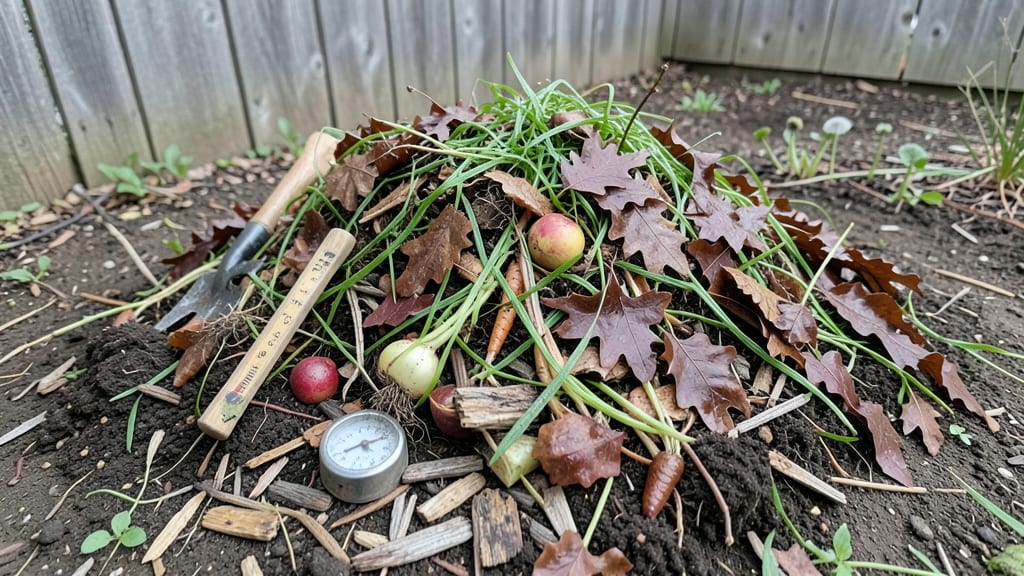
Sustainable gardening techniques aren’t just good for the planet—they’re the secret to gardens that keep giving, year after year. 🌱 I learned this the hard way when my soil turned to dust after three years of heavy use, and my plants struggled despite regular watering.
The fix? Stopping waste and working with nature instead of against it.
Start with what you already have—compost scraps, rainwater, and native plants that thrive without coddling. My zucchini plants now produce twice as much because I stopped tilling and let the soil structure itself.
Even in drought years, the garden stays productive when you focus on water retention and mulch instead of hosing down thirsty plants.
You’ll end up with healthier soil that feeds itself, less water waste, and plants that resist pests naturally. The tomatoes stay vibrant, the herbs keep growing through winter, and the whole system becomes self-sustaining. No more guessing what your garden needs—it tells you through the plants that thrive.
These methods work for any space, from urban balconies to backyard plots. The key is small, consistent changes that add up over seasons. Let’s get your garden working smarter, not harder.
📚 In This Guide
- What you need
- Instructions
- Tips and common mistakes
- Wrapping up and next steps
What you need
- ● Compost Bin or Tumbler – 2–3 cubic feet capacity (e.g., Tumbler Composter or DIY wooden bin).
- ● Rain Barrel – 50+ gallon capacity (with a spigot for easy watering).
- ● Mulch – 2–3 inches of straw, wood chips, or leaf litter (free from local tree services or yard waste).
- ● Seedlings or Seeds – Native, heirloom, or open-pollinated varieties (e.g., tomatoes, zucchini, lettuce). Start with 5–10 plants for beginners.
- ● Reusable Containers – Plastic pots, coconut coir, or repurposed glass jars (3–5 inches deep).
- ● Hand Tools: Pruners (bypass or anvil type)
- ● Garden fork (heavy-duty, 18–24 inches)
- ● Trowel (stainless steel, 6-inch)
- ● Gloves (breathable, nitrile-coated)
- ● Soil Amendments – Worm castings, crushed eggshells, or composted manure (1–2 cups per planting hole).
- ● DIY Pest Deterrents – Neem oil spray, garlic/chili pepper mix, or row covers (lightweight fabric).
- ● Watering System – Drip irrigation kit or soaker hoses (reduce waste by 30–50%!).
- ● Journal or App – Track plantings, watering schedules, and harvests (e.g., Gardenate or a simple notebook).
- ● Access to sunlight – 6+ hours daily for most veggies/herbs.
- ● Space – Containers: Balcony, patio, or windowsill. Ground plots: 4’x8’ minimum for beginners.
- ● Local regulations – Check water usage rules and composting guidelines (some areas ban food scraps in trash!).
Step-by-step guide to sustainable gardening techniques
Here's how to transform your garden into a thriving, self-sufficient ecosystem that reduces waste and boosts productivity.
🌱 Step 1: Create a Compost System for Soil Fertility
Start by designating a corner of your garden for composting—this turns kitchen scraps and yard waste into nutrient-rich soil. Use a simple bin or pile, and alternate layers of green materials (like vegetable peels and grass clippings) with brown materials (dry leaves or shredded paper). Keep it moist like a damp sponge, and turn the pile every 2-3 weeks to speed up decomposition.
This system cuts down on waste sent to landfills while giving your garden free, organic fertilizer. You’ll know it’s ready in 3-6 months when it looks dark, crumbly, and smells earthy—like a rich forest floor. Spread a 1-inch layer over your garden beds to feed plants naturally.
💧 Step 2: Set Up a Rainwater Harvesting System
Place a 5-gallon bucket under a gutter downspout or position a barrel where rainwater naturally collects. Use a mesh screen to keep debris out, and add a spigot at the bottom for easy access. Rainwater is chemical-free and perfect for watering plants—just avoid using it on edibles if your roof has asphalt shingles.
Check the water level weekly and use it to irrigate during dry spells. You’ll save hundreds of gallons of tap water per year while reducing runoff that can pollute local waterways. Mulch around plants with straw or wood chips to retain moisture and cut down on watering needs by 30-50%.
☀️ Step 3: Implement Companion Planting for Pest Control
Pair plants that naturally repel pests and support each other’s growth. For example, marigolds deter nematodes, while basil keeps mosquitoes away. Plant garlic near roses to fend off aphids, or grow nasturtiums as a sacrificial trap crop for squash bugs. This reduces the need for chemical pesticides and creates a balanced garden ecosystem.
Observe how plants interact—if you notice fewer pests near certain pairings, expand those combinations. Companion planting also improves pollination and soil health, making your garden more resilient. Rotate crops annually to prevent soil depletion and disease buildup.
✂️ Step 4: Practice Mulching and Sheet Mulching
Spread a 3-inch layer of organic mulch—like straw, leaves, or grass clippings—around plants to suppress weeds, retain moisture, and regulate soil temperature. For new garden beds, try sheet mulching: Lay down cardboard (no tape or glossy ink) to block weeds, then top with compost, straw, and soil. This mimics natural forest floor decomposition and builds fertile soil over time.
Replenish mulch as it breaks down, especially after heavy rains. You’ll spend less time weeding and more time harvesting, while also reducing the need for synthetic fertilizers. Mulch also prevents soil erosion and keeps roots cool in summer and insulated in winter.
🪴 Step 5: Build a Pollinator-Friendly Habitat
Leave a patch of your garden "wild" by planting native wildflowers and herbs like lavender, bee balm, and borage. Avoid pesticides entirely in this area, and add a small water source like a shallow dish with pebbles for insects to drink. Pollinators like bees and butterflies will thrive, increasing your garden’s productivity by 20-30% through better fruit and seed set.
Watch for signs of pollinator activity—like bees buzzing between flowers or butterflies fluttering from plant to plant. A healthy pollinator population means stronger plants and a more vibrant garden. This small change supports local ecosystems while boosting your harvests naturally.
Tips & tricks for perfect sustainable gardening
These practical strategies will help you maximize your garden's efficiency while keeping it completely zero-waste.
The Composting Secret: Don't limit your compost to kitchen scraps! Add coffee grounds, eggshells, and even small amounts of shredded paper (like newspaper or cardboard) to your pile. These "brown" materials help balance the "green" materials like vegetable peels and grass clippings. I've found that adding a handful of soil or finished compost to each new layer jumpstarts decomposition and attracts beneficial microbes. Remember, the key is that 2-3 weeks turning schedule—this keeps oxygen flowing and prevents odors.
Rainwater Harvesting Hacks: For maximum efficiency with your 5-gallon bucket system, place it where it catches the most runoff—like directly under a downspout. I've seen water savings increase by 50% when positioning buckets strategically around the yard. If you're using a barrel, consider adding a first-flush diverter to collect the first dirty water from your roof after rain. This simple addition can extend the life of your stored water by weeks. The 30-50% reduction in watering needs mentioned in the instructions is very real—just be consistent with your weekly checks!
Companion Planting Pro Tips: When implementing companion planting, think beyond just pest control. I've noticed that planting basil near tomatoes not only deters mosquitoes but also improves tomato flavor. For a visual guide, create a simple chart of your garden layout and note which plants thrive together. This makes crop rotation easier too—just rotate your entire chart annually. The 20-30% productivity boost from pollinators is especially noticeable with squash and cucumbers, so prioritize those pairings first.
Mulching Mastery: For your 3-inch mulch layer, I recommend using a mix of materials—like half straw and half wood chips. This combination retains moisture better and breaks down at different rates, giving you longer-lasting coverage. When sheet mulching new beds, tear the cardboard into 2-inch strips before laying it down. This prevents wind from blowing it away and allows for better decomposition. The 1-inch layer of finished compost on top is crucial—it feeds your soil microbes immediately while protecting your cardboard layer from sunlight.
Pro Tips for Sustainable Gardening Techniques
- These practical strategies will help you maximize your garden's efficiency while keeping it completely zero-waste.
- The Composting Secret: Don't limit your compost to kitchen scraps!
- Rainwater Harvesting Hacks: For maximum efficiency with your 5-gallon bucket system, place it where it catches the most runoff—like directly under a downspout.
Frequently asked questions
Got questions about sustainable gardening?
Here are answers to the most common ones—so you can grow smarter, not harder!
What are the easiest zero-waste gardening methods for beginners?
Start with composting (use kitchen scraps and yard waste) and mulching (leaves, grass clippings, or straw) to retain moisture and reduce waste. Try container gardening with recycled materials like old buckets or pallets—it’s space-efficient and cuts down on plastic!
How do I extend my growing season sustainably?
Use season extenders like cold frames (DIY with wood and plastic) or row covers (old bedsheets work!). Plant cool-season crops (kale, spinach) in early spring/fall. Succession planting (sowing seeds every 2–3 weeks) keeps harvests going without waste.
Are there affordable alternatives to store-bought soil amendments?
Swap commercial fertilizers for compost tea (steep compost in water for 24–48 hours), egg shells (crushed for calcium), or coffee grounds (adds nitrogen). Weed tea (fermented in water) is a free, nutrient-rich option—just strain before use!
How do I deal with pests without harmful chemicals?
Try companion planting (marigolds repel nematodes; basil deters flies). Introduce beneficial insects like ladybugs (eat aphids) or use neem oil (diluted, sprays pests without harming plants). Handpick larger pests early in the morning when they’re sluggish!
Can sustainable gardening work in small spaces or apartments?
Yes! Vertical gardening (hanging planters, trellises) maximizes space. Grow herbs and greens in windowsill containers or use hydroponics (soilless systems with recycled bottles). Even a balcony herb garden reduces waste—just ensure pots have drainage!
Wrapping up and next steps
Sustainable gardening isn’t just about reducing waste—it’s about nurturing the planet while growing your own food. By embracing zero-waste techniques like composting, companion planting, and natural pest control, you’re creating a thriving ecosystem that benefits both your harvest and the environment. 🌱
Ready to take the next step? Start small—whether it’s repurposing household scraps into compost or swapping single-use tools for reusable ones. Every action counts, and your garden will thank you with abundant, eco-friendly harvests all year round!