
Size
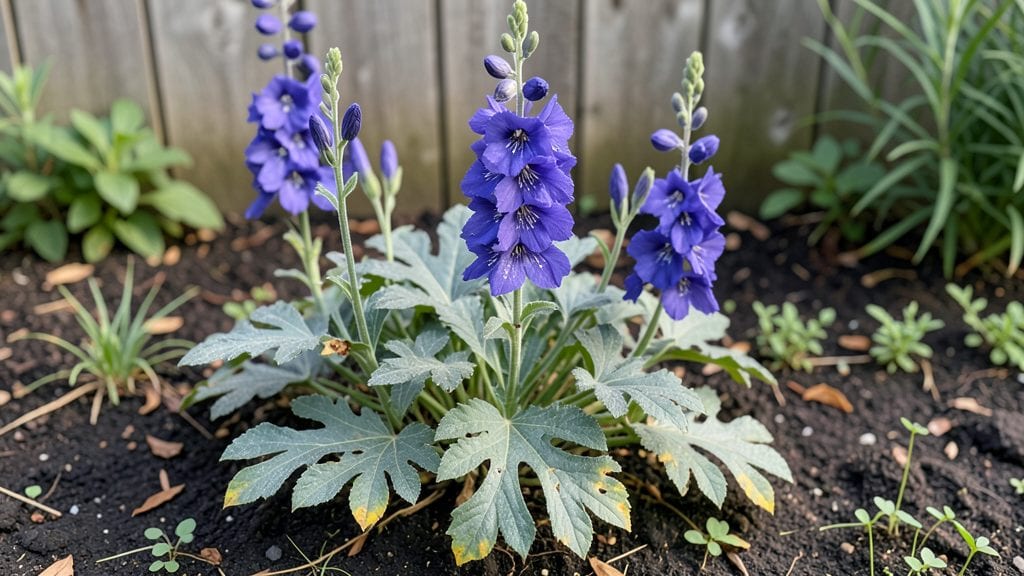
Tall garden plants transform a backyard into a lush, private retreat—no fence required. 🌿 I’ve used them to block nosy neighbors and create cozy corners where the kids can play without worry.
The right mix of fast-growing and slow-and-steady varieties gives you year-round coverage, even when some plants take a winter nap.
Sunflowers and bamboo might steal the show, but the real workhorses are privacy-focused shrubs like arborvitae and evergreen hollyhocks. They handle shade, wind, and even urban smog better than you’d think. Pair them with climbers like clematis or morning glories for vertical drama that keeps evolving all season.
The key? Start with plants that hit 6-12 feet tall within 2-3 years—no waiting a decade for results.
By summer, you’ll have a living wall that sways in the breeze, filters city noise, and casts dappled shade perfect for afternoon lounging. The best part? These plants also attract birds and butterflies, turning your screen into an ecosystem.
Just avoid overcrowding—give roots room to breathe, or you’ll end up with leggy, weak stems that flop like overcooked noodles.
Works in any yard—urban balconies, suburban backyards, or rural homesteads. The only rule? Plant in layers: tallest in the back, medium-height in the middle, and spillers like ferns or ivy at the front. Now let’s pick your perfect combo!
📚 In This Guide
- What you need
- Instructions
- Tips and common mistakes
- Wrapping up and next steps
What you need
- ● Tall Privacy Plants: Choose 3–5 varieties (e.g., Bamboo, Arborvitae, Holly, or Evergreen Trees) based on your climate. Aim for 6–12 plants per 10-foot section for full coverage.
- ● Soil: 1–2 cubic yards of well-draining, nutrient-rich soil (mix garden soil with compost for best results).
- ● Mulch: 2–3 bags of organic mulch (e.g., wood chips or bark) to retain moisture and suppress weeds.
- ● Fertilizer: Slow-release balanced fertilizer (10-10-10 or 20-20-20) or organic options like composted manure.
- ● Watering System: Drip irrigation kit (for efficiency) or
- ● Hose with adjustable nozzle (for manual watering).
- ● Measuring Tape & Stakes: To mark planting locations and ensure even spacing.
- ● Gloves & Pruners: Heavy-duty gardening gloves and sharp bypass pruners for trimming.
- ● Post Hole Digger or Auger: For planting trees or deep-rooted shrubs (rent if needed).
- ● Erosion Control Fabric: To protect slopes or sandy soil before planting.
- ● Plant Support Stakes: For young or top-heavy plants (e.g., bamboo or tall grasses).
- ● Soil pH Test Kit: To ensure your plants thrive in optimal conditions.
- ● Decorative Edging: Stones, bricks, or metal borders to define your privacy screen.
- ● Seasonal Care Kit: Includes frost cloth (for winter), plant food, and pest control (e.g., neem oil).
How to design a year-round privacy screen with tall garden plants
Here’s how to create a lush, living wall that blocks noise and neighbors—no fence required!
🌱 Step 1: Choose Fast-Growing Tall Plants for Year-Long Coverage
Start with a mix of evergreens, deciduous trees, and flowering shrubs to ensure year-round height and color. Arborvitae, bamboo, and holly grow 10-15 feet tall and keep foliage dense, while dogwoods and redbuds add seasonal blooms. I like to pair evergreen conifers for winter structure with spring-flowering shrubs like lilacs for seasonal interest.
Space plants 6-12 feet apart depending on their mature width. Check plant tags for mature height—some bamboo varieties shoot up 20 feet in a single season! For a 4-season screen, include at least 30% evergreens to maintain coverage when deciduous plants drop leaves.
🪴 Step 2: Prepare the Planting Site for Deep Roots
Dig planting holes twice as wide as the root ball but no deeper—this encourages roots to spread outward. Amend the native soil with 2-3 inches of compost mixed into the bottom of each hole. Tall plants need deep, well-draining soil, so avoid compacted clay without amending it first.
If your soil drains poorly, add a 6-inch layer of coarse sand to the hole before backfilling. Water each hole deeply before planting to settle the soil. I always test drainage by filling the hole with water—if it doesn’t drain within 30 minutes, I know I need to improve the soil mix.
☀️ Step 3: Plant for Sunlight and Wind Tolerance
Most tall privacy plants thrive in full sun to partial shade, but check individual species—some, like arborvitae, scorch in hot afternoons without afternoon shade. Plant taller varieties on the north side of the row to avoid shading shorter plants behind them.
Stake each plant immediately after planting, especially in windy areas. Use 2-3 stakes per plant for taller varieties, securing them loosely enough to allow some movement. Water deeply right after planting to eliminate air pockets in the soil—tap the base of the plant gently to help settle roots.
💧 Step 4: Water Deeply and Mulch for Retention
Water each newly planted tall shrub or tree with 5-10 gallons of water, depending on size. Let the soil absorb fully before adding more—soggy soil suffocates roots. I water 2-3 times per week for the first month, then taper to once weekly once established, checking that soil stays 2-3 inches deep moist.
Spread 2-3 inches of mulch around the base, keeping it 6 inches away from the trunk to prevent rot. Use wood chips or shredded bark—they break down slowly and improve soil over time. Replenish mulch annually to maintain moisture and suppress weeds, which compete for nutrients.
✂️ Step 5: Prune for Shape and Health Year-Round
Prune deciduous shrubs in late winter or early spring before new growth starts. Cut back 1/3 of the oldest stems each year to encourage fresh growth. For evergreens like arborvitae, shape lightly in early summer after the worst heat waves pass—this prevents sunburn on new growth.
Remove any dead, diseased, or crossing branches immediately. I always sterilize pruners with rubbing alcohol between cuts to prevent spreading fungal infections. Thin out crowded stems to improve airflow—this reduces pests and diseases that thrive in dense, humid foliage.
Tips & tricks for perfect tall garden privacy screens
Transforming your yard into a lush, private retreat takes more than just planting—here are the game-changing details that'll make your screen thrive year after year.
Plant Selection Strategy: In Step 1, when choosing your mix of evergreens and deciduous plants, I can't stress enough how critical that 30% evergreen rule is. I once planted a screen with only 20% evergreens, and by winter, I could see right through it! Pair dense arborvitae with flowering redbuds—their spring blooms will make your neighbors jealous while maintaining that winter coverage. For fast growth, look for bamboo varieties labeled "clumping" rather than "running" to prevent invasive spread.
Soil Prep Secret: The 30-minute drainage test in Step 2 is non-negotiable. I learned this the hard way when my first screen plants wilted after heavy rain. If your soil fails this test, mix in equal parts compost and coarse sand—this creates perfect drainage while still holding moisture. For clay-heavy soils, consider adding 10% perlite to the mix for even better results.
Staking Technique: When you're planting those 10-15 foot tall varieties in Step 3, don't just slap on one stake! Use 2-3 stakes per plant arranged in a tripod formation for taller varieties. I've seen too many newly planted arborvitae lean dramatically after their first windstorm. Bury stakes 1/3 of their length into the soil and tie loosely—you want to give the plant room to sway slightly, which actually strengthens its stem.
Watering Wisdom: Those 5-10 gallons you're pouring in Step 4 should be applied slowly to avoid runoff. I use a soaker hose set to a gentle flow for 20-30 minutes per plant during the first month. The key is keeping that 2-3 inches deep moisture level consistently—think of it like giving your plants a daily drink rather than a weekly bath. And here's a pro move: water in the early morning to reduce evaporation and fungal risks.
Pro Tips for Tall Garden Plants
- Transforming your yard into a lush, private retreat takes more than just planting—here are the game-changing details that'll make your screen thrive year after year.
- Plant Selection Strategy: In Step 1, when choosing your mix of evergreens and deciduous plants, I can't stress enough how critical that 30% evergreen rule is.
- Soil Prep Secret: The 30-minute drainage test in Step 2 is non-negotiable.
Frequently asked questions
Got questions about tall garden plants? You’re not alone! Here are some of the most common concerns—and straightforward answers—to help you create the perfect privacy screen without the stress.
What are the fastest-growing tall plants for a quick privacy screen?
If you need a fast fix, opt for bamboo (running varieties), leucadendron, or arborvitae. Bamboo can grow 3–5 feet per year, while evergreens like arborvitae add 12–24 inches annually. For flowering options, sunflower or hollyhock varieties can reach heights of 6–10 feet in a single season!
How long does it take for tall plants to reach full height?
Most tall privacy plants take 2–5 years to reach their mature height, depending on the species. For example, arborvitae may take 3–4 years, while bamboo can hit full height in just 1–2 years with ideal care. Patience pays off—consistent watering and soil health speed up growth!
Can tall garden plants survive winter, or do I need seasonal replacements?
Many tall plants are hardy year-round, like arborvitae, privet, or evergreen shrubs, which stay lush in all seasons. For deciduous options (e.g., sunflower or corn), plant evergreen perennials nearby to fill winter gaps. Mulching helps protect roots in cold climates!
How do I keep tall plants from leaning or flopping over?
Leaning or flopping often happens due to poor soil support or wind exposure. Stake young plants at planting time and use tree ties for flexibility. For heavy plants (like bamboo), add sturdy supports or plant in sheltered spots. Prune lower branches to encourage upward growth!
Are there tall plants that work well in small or urban gardens?
Space-saving options include columnar trees (like ‘Fastigiata’ oak), dwarf bamboo, or compact arborvitae. Vertical gardens or trellis-trained plants (e.g., clematis or ivy) also maximize height without sprawling. Just ensure proper spacing—even “small” plants need room to thrive!
What pests should I watch for in tall garden plants?
Common pests include aphids, spider mites, and borers. Monitor leaves for yellowing, holes, or sawdust-like frass. Use neem oil or insecticidal soap for mild infestations. For severe issues, consult a local garden center for targeted solutions. Regular pruning improves airflow, reducing pest risks!
Wrapping up and next steps
Incorporating tall garden plants into your landscape isn’t just about adding height—it’s about crafting a lush, seasonal masterpiece that offers year-round privacy and charm. 🌿 Whether you’re drawn to the bold foliage of Arundo donax or the delicate blooms of Hollyhock, these plants deliver beauty and function, transforming your outdoor space into a serene retreat.
Ready to take the next step?
Start small—pick one or two plants that suit your climate and style, then expand as you gain confidence. Sketch a simple layout, gather your tools, and dive in! Your future self (and your neighbors) will thank you for the green privacy screen you’re about to create. 🌱