Tools
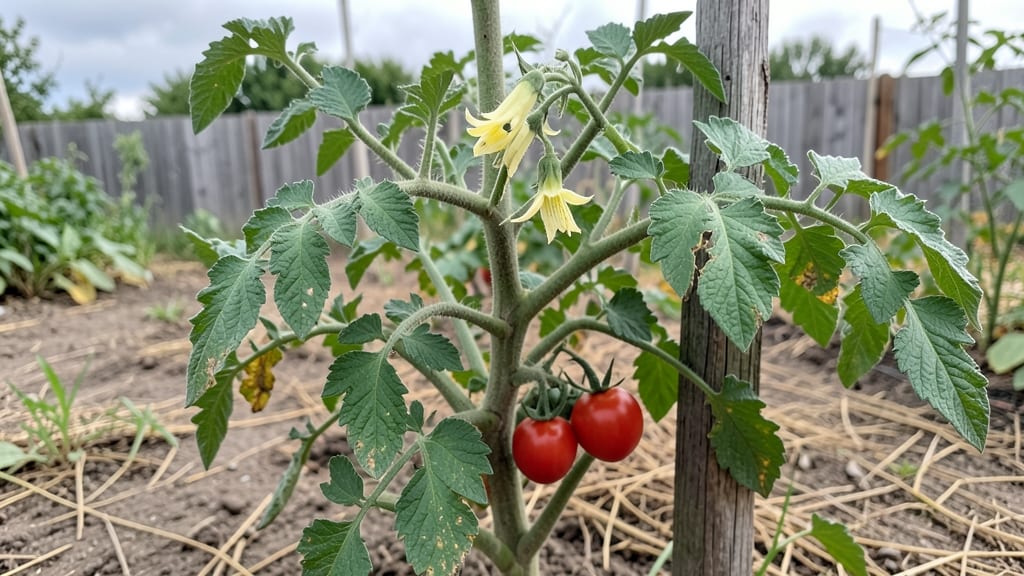
Growing tomatoes in your garden delivers the sweetest rewards—juicy, vine-ripened fruit straight from your backyard. 🌱 I’ve turned even small spaces into tomato powerhouses by focusing on the right varieties, smart spacing, and a few simple tricks that make all the difference between a handful of fruits and a bursting harvest.
You’ll need just a few basics: rich, well-draining soil, a sunny spot with at least 6-8 hours of sunlight daily, and sturdy cages or stakes for support.
The key is choosing compact varieties like ‘Patio’, ‘Tiny Tim’, or ‘Roma’ for small gardens, or letting indeterminate types climb trellises to save space. Pruning isn’t optional—it’s how you redirect energy into bigger, tastier tomatoes.
By mid-summer, your plants will be heavy with fruit, and the flavor? Nothing from the store compares. The secret lies in consistent watering, regular pruning, and knowing when to harvest—before the birds do. With these layouts, even a 4x4-foot patch can produce 20+ pounds of tomatoes in a season.
Works for balconies, raised beds, or traditional plots—just adjust the stakes and spacing. Let’s get those seeds in the ground and turn your space into a tomato haven!
📚 In This Guide
- What you need
- Instructions
- Tips and common mistakes
- Wrapping up and next steps
What you need
- ● Tomato plants: 3–6 plants (depending on space; choose determinate for compact growth or indeterminate for vining varieties like 'Sungold' or 'Cherry').
- ● Containers or raised beds: 5–10 gallon pots (for 1–2 plants each) or
- ● 4’x8’ raised bed (holds 4–6 plants in a grid).
- ● Growing medium: High-quality potting mix (avoid garden soil; mix in compost or worm castings for nutrients).
- ● Support structures: Cages (5–6 ft tall) or
- ● Trellis/netting (for vertical growth; 6–8 ft height).
- ● Fertilizer: Balanced 10-10-10 or organic tomato fertilizer (follow package rates).
- ● Mulch: Straw or shredded leaves (to retain moisture and suppress weeds).
- ● Watering system: Drip irrigation or watering can with a spout (avoid overhead watering).
- ● Pruning shears (for trimming suckers and dead leaves).
- ● Garden twine (to secure vines to trellises).
- ● Epsom salt (for magnesium boost; 1 tbsp per plant monthly).
- ● Shade cloth (30–50% coverage for hot climates).
- ● Plant markers (to label varieties).
Step-by-Step instructions for planting tomatoes in compact garden spaces
Here's how to maximize your tomato harvest in tight spaces—using proven spacing tricks and vertical techniques.
🌱 Step 1: Prepare the Soil and Planting Sites
Choose a location that gets 6-8 hours of direct sun daily—tomatoes are heavy feeders and need warmth to thrive. Work the first 12 inches of soil with a garden fork, breaking up any compacted layers. Tomatoes prefer slightly acidic soil with a pH between 6.0 and 6.8, so test your soil before planting and amend with sulfur or lime if needed.
For compact spaces, consider raised beds or containers. If using in-ground planting, create mounds or trenches 18-24 inches wide and 12 inches deep, spaced 3 feet apart for determinate varieties or 4 feet apart for indeterminate types. This improves drainage and warms the soil faster in spring.
🪴 Step 2: Plant Transplants or Seedlings Strategically
Set transplants into the prepared soil so the top of the root ball sits just below soil level—this prevents stem rot while encouraging strong root growth. Space plants according to their mature size: 18 inches apart for bush varieties and 24-36 inches apart for vining types. In tight spaces, use trellises or cages immediately to guide growth upward.
Dig a hole wide enough to accommodate roots without bending them. Gently remove the plant from its container, loosen any circling roots with your fingers, and place it in the hole. Fill in with soil, pressing lightly to remove air pockets. Water deeply right after planting to settle the soil and encourage root contact.
☀️ Step 3: Support Plants for Vertical Growth
Indeterminate tomatoes (like 'Sungold' or 'Brandywine') grow 6-10 feet tall and need sturdy support. Install 5-6 foot tall cages or strong bamboo stakes at planting time. For compact spaces, use trellis systems or A-frame supports to save ground area. Secure the main stem to the support with soft plant ties or old pantyhose—never use wire, which can damage stems.
Prune suckers (the small shoots that form in the leaf axils) regularly to focus energy on fruit production. Remove any leaves touching the soil to prevent disease. If using cages, weave the plant gently through the wires as it grows to distribute weight evenly.
💧 Step 4: Water and Feed for Maximum Yield
Water tomatoes deeply 1-2 times per week, aiming for 1-1.5 inches of water total. Avoid wetting the foliage to reduce disease risk—water at the base early in the morning. In compact spaces, use drip irrigation or soaker hoses to deliver moisture efficiently without overspray.
Feed plants with a balanced fertilizer (10-10-10) at planting, then switch to a low-nitrogen, high-phosphorus formula (5-10-10) when flowers appear. Side-dress with compost or aged manure mid-season to replenish nutrients. Watch for signs of deficiency—yellow leaves indicate nitrogen needs, while purple stems suggest phosphorus is lacking.
✂️ Step 5: Prune and Harvest for Continuous Production
Prune suckers weekly to maintain an open plant structure. For indeterminate varieties, remove all suckers below the first flower cluster, while bush types can be pruned lightly to improve airflow. Deadhead spent flowers by pinching them off at the stem—this redirects energy to new blooms and extends the harvest season.
Harvest tomatoes when they reach full color and slight softness at the stem end. Pick regularly to encourage more fruit production. In compact spaces, use small harvest baskets to avoid damaging tender stems. Store ripe tomatoes at room temperature—never in the fridge, as cold temperatures destroy flavor and texture.
Tips & tricks for perfect tomato planting in small gardens
These space-saving secrets will help you grow a bountiful tomato harvest even when square footage is limited.
Sunlight Optimization: The 6-8 hours of direct sun mentioned in Step 1 are non-negotiable—tomatoes are sun worshippers. If your compact space gets less than 6 hours, consider reflective surfaces like white walls or aluminum foil wrapped around garden beds to bounce extra light onto your plants. I've seen this increase sun exposure by up to 20% in shady spots.
Container Selection Strategy: For raised beds or containers, choose options that are at least 12 inches deep (as specified) but with a diameter of 18-24 inches for each plant. This gives roots room to spread without crowding. I recommend using fabric grow bags for determinate varieties—they allow roots to breathe and prevent soil compaction that often occurs in traditional pots.
Support System Installation: When installing your 5-6 foot tall cages in Step 3, bury the bottom third of the cage at least 6 inches deep in the soil. This creates a stable base that won't topple when heavy tomato vines develop. For compact spaces, I've found that A-frame supports work better than traditional cages—they take up less ground space while providing excellent support for indeterminate varieties.
Watering Precision: The 1-2 times per week watering schedule in Step 4 works best when you measure rather than guess. Use a rain gauge or straight-sided container to ensure you're delivering exactly 1-1.5 inches of water. In compact spaces, I recommend installing a simple drip irrigation system with emitters that deliver water directly to the base of each plant—this prevents overspray that can promote disease.
Pro Tips for Tomatoes In Garden
- These space-saving secrets will help you grow a bountiful tomato harvest even when square footage is limited.
- Sunlight Optimization: The 6-8 hours of direct sun mentioned in Step 1 are non-negotiable—tomatoes are sun worshippers.
- Container Selection Strategy: For raised beds or containers, choose options that are at least 12 inches deep (as specified) but with a diameter of 18-24 inches for each plant.
Frequently asked questions
Got questions about growing tomatoes in small spaces? You’re not alone! Here are answers to the most common queries—from timing to troubleshooting—to help you cultivate a thriving garden, even in limited room.
When is the best time to plant tomatoes in a small garden?
For most climates, plant tomatoes after the last frost when soil temps reach 60°F (15°C). In compact spaces, start seeds indoors 6-8 weeks before the last frost date, then transplant seedlings 12-18 inches apart in containers or raised beds. Cold-sensitive varieties like ‘Early Girl’ thrive with this timing!
How long does it take for tomato plants to produce fruit?
Expect fruit in 60-85 days for determinate (bush) varieties and 70-100 days for indeterminate (vining) types. Compact varieties like ‘Tiny Tim’ or ‘Patio Princess’ often bear fruit faster—sometimes in as little as 50 days! Patience pays off, but pruning suckers and providing support speeds up harvests.
What do I do if my tomato plants get pests or diseases?
Common issues include aphids, blight, or hornworms. Act fast:
- Handpick pests (like hornworms) early in the morning.
- Spray neem oil or soapy water for aphids.
- Improve airflow with pruning and avoid overhead watering to prevent blight.
Can I grow tomatoes in containers if I don’t have a garden bed?
Use 5-gallon containers or larger for dwarf varieties (e.g., ‘Micro Tom’). Ensure pots have drainage holes and fill with well-draining potting mix. Place containers in full sun (6+ hours/day) and fertilize weekly with balanced liquid fertilizer (10-10-10).
What’s the best way to maximize yield in a small space?
Optimize space with these tricks:
- Vertical growing: Use cages, trellises, or stakes for indeterminate varieties.
- Interplant with companion plants like basil or marigolds (they deter pests!).
- Prune aggressively to focus energy on fruit production.
- Harvest regularly to encourage more blooms.
Why are my tomato flowers falling off without fruiting?
This is often due to stress, like temperature extremes (below 55°F/13°C or above 90°F/32°C), overwatering, or nutrient imbalances. Solutions:
- Ensure consistent moisture (1-2 inches/week).
- Fertilize with phosphorus-rich food (e.g., bone meal) to boost flowering.
- Provide shade cloth during heatwaves.
Wrapping up and next steps
Growing tomatoes in compact spaces is totally doable—and rewarding! With the right high-yield layouts, you can maximize your harvest even in small gardens, balconies, or containers. Whether you choose vertical trellises, square-foot gardening, or container stacking, the key is planning and patience.
Ready to turn your tiny plot into a tomato powerhouse? Start by sketching your space, gathering supplies, and planting with confidence. Your first juicy, homegrown tomato is just a season away! 🌱🍅