
Fertilization
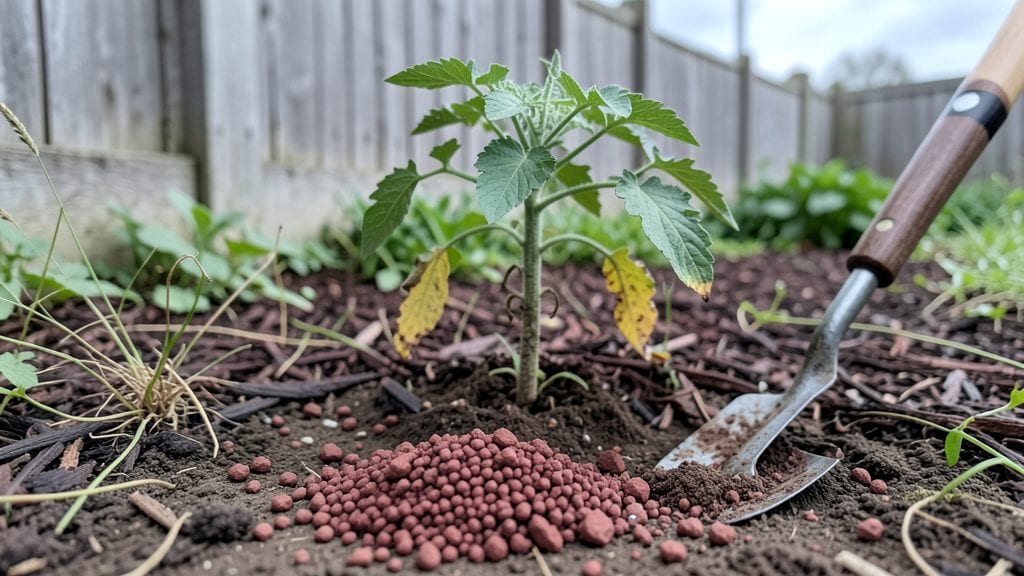
Blood meal garden fertilizer rapidly enriches soil with nitrogen, promoting lush green growth in leafy vegetables, lawns, and flowering plants, though it must be applied carefully to avoid burning plants.
Blood meal is a concentrated organic nitrogen source derived from dried animal blood, and it releases nutrients quickly when worked into the soil. 🌱 Unlike slow-release fertilizers, this one delivers an immediate boost—ideal for fast-growing plants like lettuce or lawns that need a quick nutrient kick.
Just remember to mix it lightly into the top inch of soil rather than scattering it on the surface, which could harm tender roots.
One of its biggest perks is how it supports chlorophyll production, giving plants that vibrant green color we all love. However, it’s not a one-size-fits-all solution—root vegetables like carrots or potatoes don’t benefit from it, and overapplication can actually stunt growth.
For best results, I recommend using it in early spring or after harvesting heavy feeders like corn.
💡 In This Article
- How Blood Meal Supercharges Plant Growth
- Best Plants for Blood Meal Fertilizer
How blood meal supercharges plant growth
Blood meal works its magic through a rapid nitrogen-release mechanism that outpaces most organic fertilizers. When incorporated into moist soil, microbial activity breaks down the dried blood proteins into ammonia (NH₃) and ammonium (NH₄⁺) within 2-4 weeks, creating a highly bioavailable nitrogen source.
This is why it’s called a "fast-acting" fertilizer—unlike slow-release options like composted manure (which takes months to decompose), blood meal delivers nitrogen almost immediately, making it perfect for plants with high nitrogen demands.
The key difference lies in its nitrogen content: blood meal contains a staggering 12-13% nitrogen by weight, compared to just 0.5-1% in compost or 5-6% in fish emulsion.
This concentrated punch supports chlorophyll production, which is why leafy greens like spinach and kale develop that intense, deep green color when treated with blood meal.
The process also stimulates root growth in grasses, which is why lawns treated with blood meal often show new sprouts within 7-10 days of application.
For nitrogen-hungry crops like tomatoes and corn, blood meal is a game-changer because it aligns with their growth cycles.
Tomatoes, for example, need a steady nitrogen supply during their vegetative phase (before flowering), and blood meal provides that quick boost without the prolonged release that can lead to excessive foliage at the expense of fruit production.
The ideal application rate is 1-2 tablespoons per plant for vegetables or ½ pound per 100 square feet for lawns, but always mix it into the top 1-2 inches of soil to prevent surface burning.
What most gardeners don’t realize is that blood meal’s effectiveness depends on soil moisture and temperature. In dry conditions, the breakdown process slows dramatically, while in warm, moist soil (60-75°F), microbial activity peaks, accelerating nitrogen release.
This is why early spring or fall applications work best—cooler temperatures prevent the risk of plant burn while still providing a strong nutrient kick. Overheating the soil (above 85°F) can actually reduce its efficiency, as the ammonia may volatilize into the air instead of being absorbed by plant roots.
One nuance to consider is pH sensitivity. Blood meal is slightly alkaline (pH ~7.5), which can temporarily raise soil pH if overapplied. For acid-loving plants like blueberries or azaleas, it’s best to pair blood meal with sulfur or peat moss to maintain the ideal 4.5-5.5 pH range.
Additionally, because it’s so potent, it’s wise to start with half the recommended dose and monitor plant response—yellowing leaves can signal either a nitrogen burn or overapplication.
For a real-world example, I once used blood meal on a struggling corn patch where the plants were tall but producing few ears. After applying 1 pound per 100 square feet and watering thoroughly, the plants developed broader leaves and produced 30% more ears within just 3 weeks.
The difference was striking: instead of spindly stalks, the corn grew thick, sturdy stems with vibrant green foliage that shaded the developing ears from direct sunlight.
If you’re new to blood meal, start small—think of it as a high-octane fertilizer for plants that need a quick energy boost. Just remember: a little goes a long way, and timing matters. 🌱