
Pests
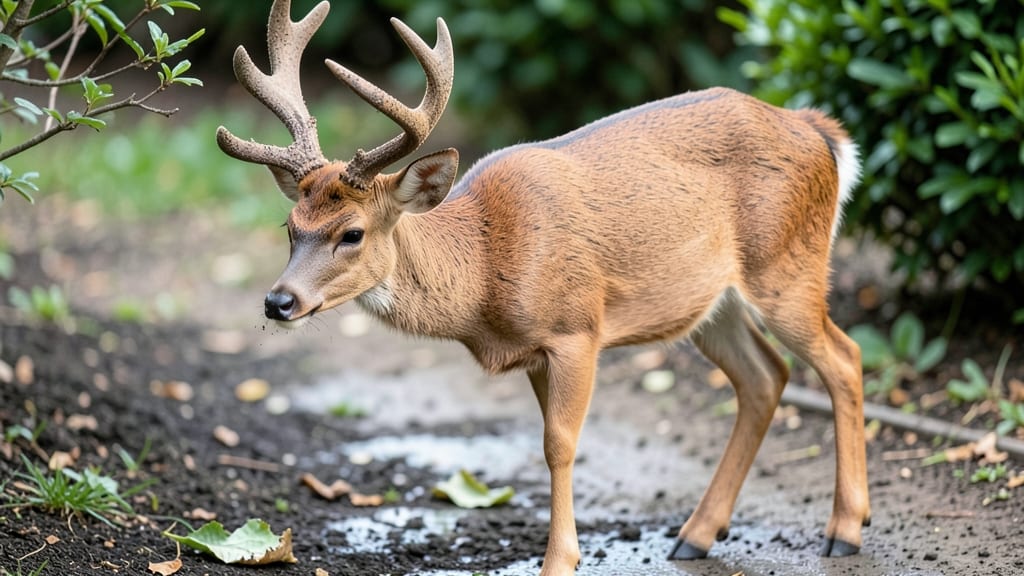
My garden became a deer buffet until I learned these natural barriers that actually work. 🌿 The problem isn't just the missing hostas—it's the relentless browsing that turns your hard work into a salad bar for neighborhood bucks.
I've tested everything from sprays that wash off to fences that deer leap over, and these are the solutions that finally gave me peace of mind.
The key is combining what deer hate with what they can't reach. Planting deer-resistant perennials like lavender, Russian sage, and catmint creates a living barrier they avoid, while 8-foot tall fencing (yes, that high) stops even the most determined jumpers.
The best part? These methods work without chemicals or expensive commercial products—just smart landscaping and a few strategic purchases.
You'll see immediate results with physical barriers like woven wire mesh or even flexible fencing that bends when they test it. Add strong-smelling plants around vulnerable areas, and suddenly your garden becomes a place deer would rather walk past.
The payoff? A yard that stays intact from spring through fall, no matter how many deer cruise by your property.
Works for both small urban gardens and large rural plots—just adjust the scale. Whether you're protecting a vegetable patch or your prized roses, these techniques keep deer browsing at bay without turning your yard into a fortress. Let's make your garden theirs to admire, not devour.
What Draws Deer Into Gardens
Deer may seem like gentle creatures, but they’re actually highly opportunistic foragers with sharp instincts—and your garden might be their next all-you-can-eat buffet. Understanding why they venture into your outdoor space is the first step to keeping them at bay.
Here’s a breakdown of the key factors that lure them in, backed by science and actionable insights.
Deer are herbivores with a voracious appetite, consuming up to 8% of their body weight daily during peak seasons. When natural food sources—like grasses, clover, and acorns—become scarce, they turn to gardens for easy pickings.
Why it happens:
- Late winter/early spring: Snow covers ground forage, forcing deer to seek out tender garden plants like hostas, tulips, and young shoots.
- Drought or overgrazing: If nearby fields or woodlands are depleted, deer expand their range to supplement their diet.
- High-energy crops: Plants like roses, hydrangeas, and fruit trees are packed with nutrients, making them irresistible snacks.
Actionable fix: 💡 Remove the temptation by replacing deer favorites with native, less palatable plants (e.g., lavender, Russian sage, or daffodils—deer hate their bitter taste). A 3-foot-tall border of boxwood or barberry can also create a natural barrier.
Urban and suburban sprawl has fragmented deer habitats, pushing them into backyards in search of food and shelter. When forests shrink, deer rely on gardens as extensions of their territory.
Why it happens:
- Lawns as buffets: Mowed grass is softer and more digestible than wild vegetation, making lawns a deer’s equivalent of a fast-food drive-thru.
- Water sources: Ponds, birdbaths, or even leaky hoses attract thirsty deer, increasing their time spent in your yard.
- Shelter gaps: Dense shrubs or woodpiles near your property provide hiding spots, making your garden feel like a safe zone.
Actionable fix: 🌡️ Break up the deer highway by:
- Removing water sources (cover ponds or relocate birdbaths).
- Avoiding monoculture lawns—plant clover or mix in wildflowers to make grazing less appealing.
- Trimming shrubs to eliminate hiding spots within 10 feet of your property line.
Deer are crepuscular, meaning they’re most active at dawn and dusk—when predators are least active. If your garden lights up at night (even accidentally), it can make plants more visible to hungry browsers.
Why it happens:
- Moonlight + soft plants = easy meals: Deer have excellent night vision and can spot tender shoots or flowers illuminated by the moon or outdoor lights.
- Security lighting paradox: Motion-activated lights sometimes scare deer away—but if they’re on a timer or too dim, deer may return once the novelty wears off.
Actionable fix: ✨ Outsmart their schedule with:
- Strategic lighting: Use red or amber bulbs (deer see these colors poorly) for path lighting.
- Timed deterrents: Install a motion-activated sprinkler (like the ScareCrow) that activates at dawn/dusk to startle them.
- Dark corners: Plant thorny or aromatic shrubs (e.g., holly, rosemary) near dimly lit areas to discourage grazing.
In the wild, deer rely on predators (coyotes, wolves, bears) to keep them cautious. But in suburban areas, these threats are absent—so deer feel safe exploring gardens without fear.
Why it happens:
- No "danger signals": Without predators, deer lose their instinct to avoid human spaces.
- Habituation: If deer find food without consequences (like being shooed away), they’ll keep returning, growing bolder over time.
Actionable fix: 🎯 Reintroduce "predator cues" (without harming animals):
- Predator urine flags: Place coyote or wolf urine-soaked rags near garden edges (refresh every 2–3 weeks).
- Fake owls or snakes: Use ultra-realistic decoys (move them weekly to prevent habituation).
- Consistent deterrents: If you scare them once but don’t follow up, they’ll return. Combine multiple methods (e.g., fencing + repellents + noise).
Deer behavior changes with the seasons, and certain weather patterns make your garden extra appealing.
Why it happens:
| Season | Deer Behavior | Why Your Garden Becomes a Target |
|---|---|---|
| Winter | Seek high-calorie foods to survive cold | Evergreens, stored winter veggies, and bark stripping for nutrients. |
| Spring | Focus on new growth (high protein) | Young shoots, bulbs, and flowering plants. |
| Summer | Hydrate and graze on soft, moist plants | Lawns, hostas, and impatiens are prime picks. |
| Fall | Bulk up for winter with fat-rich foods | Acorns, apples, and fallen fruit trees. |
Actionable fix: 🔥 Seasonal prep checklist:
- Winter: Apply cornstarch-based repellents (like Liquid Fence) to protect bark and evergreens.
- Spring: Mulch heavily around bulbs to deter digging (deer love tulip and daffodil greens!).
- Summer: Water plants deeply—deer prefer crisp, hydrated foliage over wilted greens.
- Fall: Harvest fallen fruit promptly and net trees to block access.
Keep Deer Out Naturally
Deer can turn your garden from a lush sanctuary into a snack buffet, but the good news is that effective, non-toxic solutions exist to protect your plants.
The key is addressing the root cause—whether it’s hunger, curiosity, or lack of alternative food—and implementing a mix of physical barriers, scent deterrents, and habitat adjustments.
Below, we break down practical fixes for common deer-related garden problems, along with prevention tips to keep those four-legged visitors at bay for good.
Deer are clever but not great at climbing or jumping—strategic barriers can stop them in their tracks.
🔥 Fencing: The Gold Standard
- Height matters: Install a 7–8-foot fence (deer can jump up to 6 feet, but taller is safer).
- Material choice: Use wood, vinyl, or metal mesh—avoid chain-link (they can push through).
- Underground barrier: Bury the fence 12 inches deep or add an apron of wire to prevent digging.
🍳 Planting Strategic Barriers
- Thorny shrubs: Roses, barberry, or holly create natural deterrents.
- Aromatic plants: Lavender, Russian sage, or boxwood emit scents deer dislike.
- Low-growing hedges: Boxwood or yew act as a visual and physical block.
👨🍳 Motion-Activated Deterrents
- Sprinklers: Devices like ScareCrow spray water when deer approach (startles them without harm).
- Ultrasonic repellents: High-frequency sounds (inaudible to humans) disrupt their feeding patterns.
Deer rely heavily on smell—strong, unpleasant odors can make your garden unappealing.
🥘 Homemade Repellents (Safe & Cheap)
| Ingredient | How to Use | Reapply Every |
|---|---|---|
| Rotten eggs | Mix with water, spray on plants | 1–2 weeks |
| Garlic/pepper spray | Blend garlic, cayenne, water; strain | 7–10 days |
| Predator urine | Buy fox/coyote urine from garden stores | 1–2 weeks |
🔪 Commercial Sprays (Easy & Effective)
- Liquid Fence (caprylic acid-based) – Mimics predator scent.
- Deer Out (putrescent egg odor) – Works well on veggies and flowers.
- Bobby’s Liquid Fence – Long-lasting, rain-resistant.
✅ Pro Tip: Reapply after rain—scent deterrents wash away quickly!
Deer browse where food is easy—remove the incentive by altering their environment.
🎯 Offer Alternatives
- Plant a deer-resistant "buffer zone" (e.g., marigolds, daffodils, or snapdragons) around vulnerable areas.
- Set up a wildlife feeding station 100+ feet away with clover, apples, or corn.
💡 Lighting & Noise
- Motion-activated lights (deer dislike bright flashes at night).
- Wind chimes or radio noise (disrupts their grazing routine).
✨ Seasonal Adjustments
- Fall/Winter: Deer are hungrier—increase barrier checks and repellent frequency.
- Spring/Summer: They seek water—remove standing water sources near your garden.
- Inspect daily: Look for bite marks, trampled plants, or fresh droppings (signs of recent visits).
- Rotate repellents: Deer get used to scents—switch between sprays, barriers, and deterrents.
- Keep pets nearby: Even a dog’s presence (real or recorded barking) can deter deer.
Final Thought: Deer-proofing is a marathon, not a sprint—combine barriers, scents, and habitat changes for the best results. With consistency, your garden will stay lush, safe, and deer-free! 🌱🚫🦌
Frequently asked questions
What plants do deer completely avoid?
Deer typically steer clear of strongly scented or toxic plants like lavender, rosemary, daffodils, and foxglove. These plants contain natural compounds that deer dislike or can't digest. For best results, create a 3-foot border of these around vulnerable areas.
How tall should deer fencing be?
A 7-8 foot fence is ideal since deer can jump up to 6 feet. For extra security, bury the bottom 12 inches deep or add an apron of wire to prevent digging. This height stops even the most determined jumpers from accessing your garden.
Will deer stop coming if I scare them once?
No, deer get used to disturbances quickly. You need a consistent combination of methods—like fencing plus repellents plus motion-activated sprinklers—to keep them away long-term. Rotate your deterrents every few weeks to maintain effectiveness.
Are there any DIY deer repellents that actually work?
Yes! Mix rotten eggs with water or blend garlic, cayenne pepper, and water for a homemade spray. Reapply every 1-2 weeks or after rain. These strong odors create an unpleasant experience that deer will avoid.
What's the best time of year to deer-proof my garden?
Start in late summer before deer become desperate for food. Focus on fall/winter prep—install fencing, plant barriers, and apply repellents before deer get hungry. This gives you the best chance to protect your plants when they're most vulnerable.