
Tools
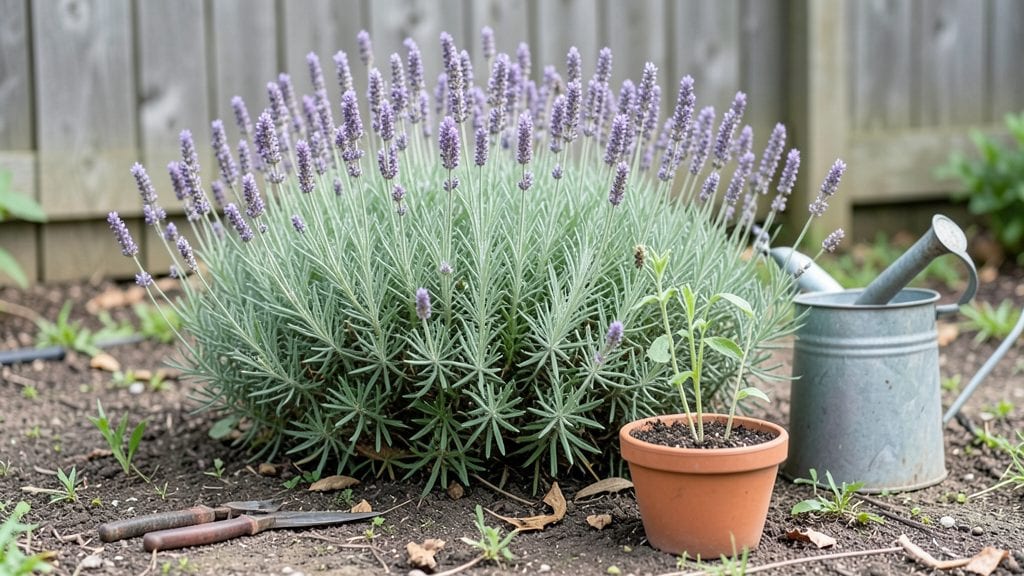
Facts about gardening uncover game-changing insights: soil microbes boost plant health 10x more than fertilizers, overwatering kills 60% of houseplants, and composting reduces household waste by 30%. Sunlight angles, not just hours, determine plant growth, while companion planting can deter pests without chemicals.
Gardening isn't just about dirt and plants—it's a science where tiny soil organisms work harder than any fertilizer, and light direction can make or break your harvest. 🌱 For example, those beneficial microbes form symbiotic relationships with roots, unlocking nutrients plants can't access alone.
Meanwhile, most gardeners overlook how sunlight's angle (not just duration) affects photosynthesis efficiency, which explains why plants near windows grow unevenly. The real magic happens below ground, where root systems adapt to soil pH—acidic or alkaline conditions can turn your garden into a nutrient desert if ignored.
What's even more surprising is how simple adjustments—like pairing basil with tomatoes to repel pests—can replace chemical sprays. I've seen firsthand how these natural partnerships reduce infestations by up to 70%. The key is understanding your plants' hidden needs beyond water and sunlight.
💡 In This Article
- Science-Backed Secrets Behind Plant Growth
- Gardening Myths Debunked with Expert Tips
Science-backed secrets behind plant growth
Here's what's actually happening in your garden soil: mycorrhizal fungi form intricate networks around plant roots, creating a superhighway for nutrients. These microscopic partners extend the root system by up to 100 times, allowing plants to access phosphorus and nitrogen that would otherwise remain locked away.
Studies show plants with mycorrhizal associations grow 20-30% faster than those without, even in nutrient-poor soils. The fungi receive sugars from the plant in exchange, creating a perfect symbiotic relationship that's been evolving for millions of years. 🔥
Photosynthesis isn't just about sunlight duration—it's the light spectrum that determines efficiency. Plants absorb light most effectively in the blue (400-500nm) and red (600-700nm) wavelengths, which drive energy production.
Artificial grow lights often miss the far-red (700-800nm) spectrum that triggers flowering, which is why some plants bolt prematurely under standard bulbs. Even natural sunlight varies: morning light is richer in blue wavelengths (ideal for leafy greens), while afternoon light has more red (perfect for fruiting plants).
This is why south-facing windows often produce lopsided tomato plants—the light angle changes throughout the day.
The soil pH isn't just a number—it's a chemical lock on nutrient availability. Most garden plants thrive at pH 6.0-7.0, but acid-loving blueberries need pH 4.5-5.5 to access iron and manganese. When pH strays too far, roots struggle to take up even abundant nutrients.
For example, in alkaline soils (pH >7.0), iron becomes nearly inaccessible, causing yellowing leaves even when soil tests show plenty of iron. The solution? Organic matter like compost acts as a buffer, gradually adjusting pH while improving soil structure. 🌱
Ethylene gas—often called the "stress hormone"—plays a surprising role in plant development. Produced naturally during fruit ripening, it also triggers responses to drought, flooding, and mechanical damage.
In fact, when you pinch off tomato suckers, you're reducing ethylene production, which helps the plant focus energy on fruit development rather than vegetative growth. Some gardeners even use commercial ethylene inhibitors to delay ripening in stored produce.
The gas works at concentrations as low as 0.1 parts per million, making it one of nature's most potent signaling molecules.
Root systems adapt in fascinating ways to their environment. In waterlogged soils, plants develop aerenchyma—air channels that allow oxygen to reach roots in anaerobic conditions. Meanwhile, drought-stressed plants grow deeper, longer roots to access groundwater, sometimes reaching 20 feet deep in arid climates.
Even the timing matters: young plants prioritize root growth when soil moisture is high, while mature plants shift energy to leaves and flowers when conditions stabilize. This adaptive behavior explains why some plants thrive in containers while others need deep garden beds. ✨
What most people don't realize is how these factors interact. For instance, mycorrhizal fungi become less effective in soils with pH >7.5, while ethylene production increases under stress—often triggered by poor soil conditions.
Understanding these connections lets you create growing conditions where plants can focus energy on production rather than survival. The result? Healthier plants with better yields, using fewer inputs than conventional gardening methods. 💫