
Tools
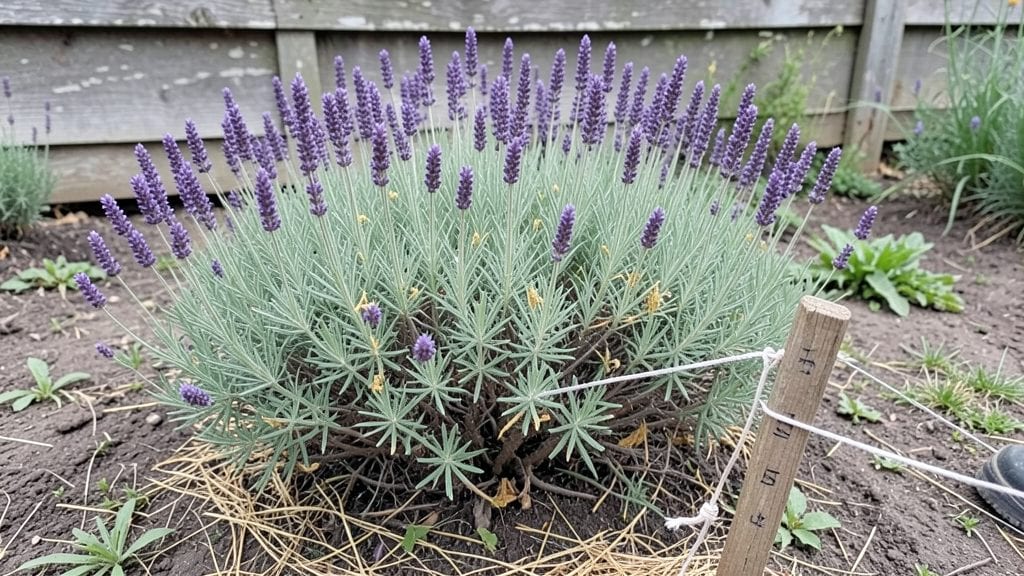
The ideal garden bed width is 4 feet — a magic number that balances reach, yield, and ease of care without sacrificing space.
Picture this: you’re knee-deep in weeds, stretching awkwardly to pluck a tomato while your back protests. That’s the 4-foot rule in action — designed so you can stand on either side, tend plants without stepping in the bed, and keep weeds at bay.
It’s not just theory; it’s how productive gardens actually work.
Too narrow, and you waste space on paths. Too wide, and you’ll spend more time weeding than harvesting. The sweet spot? A 4-foot width that fits most plants, lets sunlight reach the center, and keeps your gardening effortless—no contortions required.
In this guide, I’ll break down why 4 feet is the gold standard, how to adjust for different plants, and how to avoid common mistakes that turn your dream garden into a tangled mess. Let’s get started.
Why the 4-Foot garden bed width works for productivity and accessibility
If you’ve ever struggled to reach the center of your garden bed without stepping on the soil, you’re not alone. The 4-foot garden bed width isn’t arbitrary—it’s based on ergonomic science that makes gardening easier and more efficient.
When designed this way, you can stand on either side and reach every plant without compacting the soil or disturbing roots. This simple adjustment reduces strain on your back and knees while boosting plant health and yield.
The 4-foot rule also aligns perfectly with how most vegetables and herbs grow. Plants like tomatoes, peppers, and lettuce thrive when spaced just a few inches apart, fitting neatly into a 4-foot width. This spacing minimizes competition for nutrients and sunlight, leading to healthier, more productive plants.
Plus, narrower beds mean fewer weeds since sunlight can’t penetrate the soil as easily, reducing the need for constant weeding.
Let’s break down why this width works so well—from soil health to weed suppression—with a quick comparison to other widths.
One of the biggest advantages of a 4-foot bed is how it preserves soil structure. When you step into a garden bed, your weight compacts the soil, reducing airflow and root growth.
With a 4-foot width, you can stand on the pathways between beds (typically 2-3 feet wide) and reach every plant without stepping on the soil. This keeps the roots aerated and healthy, leading to stronger plants and higher yields.
Another key benefit is weed control. Weeds thrive in wide-open spaces where sunlight can reach the soil. A 4-foot bed casts enough shade in the center to inhibit weed seeds from germinating.
This means less time weeding and more time enjoying your garden. I’ve found that my 4-foot beds stay weed-free for weeks longer than wider or narrower beds.
For productivity, the 4-foot width allows you to maximize plant density while still giving each plant enough space to grow. For example, you can fit two rows of tomatoes on either side of a central pathway, or plant carrots, onions, and lettuce in a succession planting layout.
This intercropping technique boosts your harvest by making the most of every square foot.
Let’s say you’re growing corn or sunflowers, which need more space. In this case, you might adjust the width to 5 feet or plant them in a single row down the center of a 4-foot bed.
The key is to plan your layout based on the mature size of your plants while keeping accessibility in mind. For most gardeners, though, 4 feet strikes the perfect balance.
If you’re using raised beds, the 4-foot width becomes even more practical. Raised beds are already eas
How to adjust garden bed width for different plant types and garden styles
Not all plants thrive in the same garden bed width. While the 4-foot rule works for most vegetables, some sprawling or tall varieties need adjustments.
For example, corn and sunflowers benefit from wider beds (up to 6 feet) to accommodate their height, while herbs like basil or thyme can thrive in narrow containers or 1-foot-wide beds. The key is balancing plant spacing, accessibility, and soil health.
Your garden style also dictates width—raised beds often stay at 4 feet for easy maintenance, while in-ground rows may stretch wider for crops like cucumbers or melons that need trellising.
Even container gardening follows width rules: a 12-inch-wide pot works for single herbs, but tomatoes or peppers need at least 18 inches for root growth. Let’s break down the best widths for common plant types and styles.
For raised beds, stick to 4 feet max—this lets you reach the center without stepping in. If you’re growing wide-rooted perennials like asparagus, dedicate a 3-foot-wide bed and commit to it for years, as moving them later disrupts their roots.
Meanwhile, container gardening lets you get creative: a 12-inch-wide pot suffices for single herbs or strawberries, while tomatoes or peppers need at least 18 inches of soil depth and width.
Pro tip: Use pathways between beds (at least 2 feet wide) to prevent soil compaction. For in-ground gardens, wider beds (up to 5 feet) work if you’re okay with stepping in occasionally.
Just avoid over 6 feet, as this forces you to trample soil, killing weeds but also harming roots. Balance is key!
Don’t forget to rotate crops annually to prevent disease. For example, plant heavy feeders like tomatoes in one 4-foot bed one year, then swap them with light feeders like lettuce the next.
This keeps nutrients balanced and pests at bay. Start small, experiment with widths, and adjust based on what grows best in your climate and soil.
With the right garden bed width, you’ll save time, boost yields, and enjoy a space that’s as ergonomic as it is beautiful. Happy planting! 🌱