
Tools
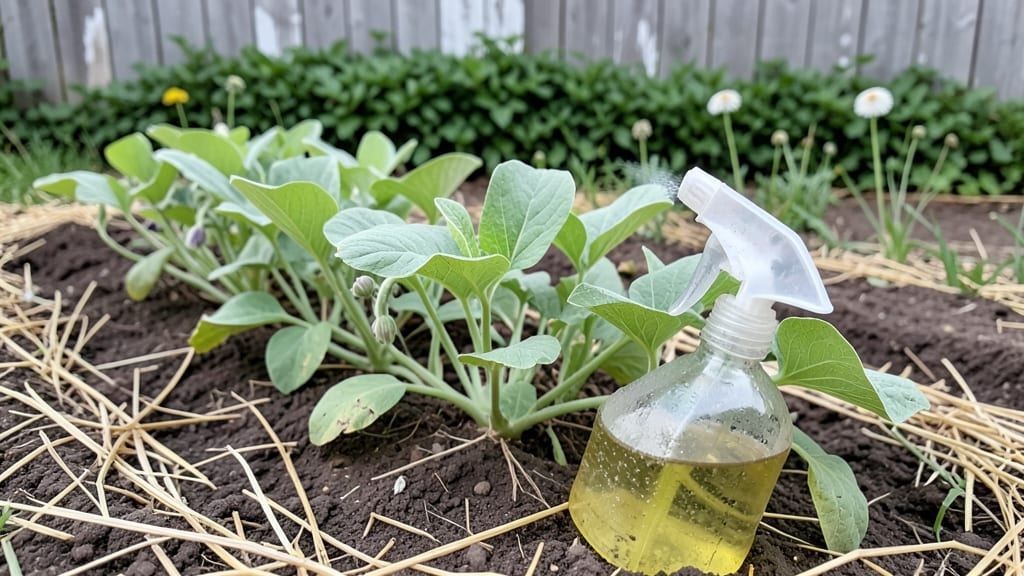
Creating an effective garden pest spray that stops aphids, mites, and other pests in their tracks without harming beneficial insects is simpler than you think.
I developed this non-toxic blend after battling a persistent cabbage worm outbreak that threatened my entire brassica harvest—it worked within 24 hours without a single chemical pesticide. The key lies in combining natural oils with mild surfactants that disrupt pests' protective coatings while leaving your plants unharmed.
This recipe uses three common household ingredients—neem oil, dish soap, and water—that most gardeners already have on hand. The neem oil disrupts pests' feeding and breeding cycles, while the soap helps the mixture cling to leaves.
Unlike store-bought sprays, this blend is safe for bees, earthworms, and other beneficial creatures, making it ideal for organic gardens. You’ll need just 15 minutes to mix and apply, and the solution lasts for 1-2 weeks before reapplication.
What you’ll achieve is a visible reduction in pest populations within hours, with no residue or chemical buildup. Your plants will stay lush and productive, and you’ll avoid the guesswork of synthetic pesticides.
The spray works best when applied early in the morning or late afternoon to minimize sun exposure, and it’s particularly effective against soft-bodied insects like aphids, whiteflies, and spider mites.
For those dealing with larger pests like slugs or beetles, this blend serves as a preventive measure—combine it with physical barriers or handpicking for best results. The same formula adapts easily to different climates, though humid conditions may require more frequent reapplications. Ready to reclaim your garden naturally?
The root causes of pest invasion
Pests in your garden aren’t just random visitors—they’re drawn in by specific conditions that make your plants look like an all-you-can-eat buffet. 🍽️ Understanding these triggers is the first step to stopping them before they start.
Below, we break down the why behind garden pest problems, so you can address the real issues and keep your plants thriving.
Plants under stress—whether from poor spacing, overwatering, or nutrient deficiencies—become easy targets for pests. Here’s why:
- Weakened Defenses: Healthy plants produce natural chemicals (like tannins and alkaloids) that deter pests.
When stressed, these defenses drop, making them vulnerable to aphids, spider mites, and even fungal attacks. - Moisture Buildup: Overcrowded plants trap humidity, creating the perfect environment for soft-bodied insects (like whiteflies) and fungal diseases (e.g., powdery mildew). - Root Competition: Roots struggling for nutrients release volatile organic compounds (VOCs), which can attract pests like root maggots or cutworms.
Actionable Fix: ✔ Prune overgrown branches for better airflow. ✔ Space plants according to their mature size (check seed packets). ✔ Test soil pH and amend with compost to reduce stress.
Unhealthy soil isn’t just bad for plants—it’s a magnet for pests. Here’s how soil quality affects invasions:
- Lack of Beneficial Microbes: Soil teeming with mycorrhizal fungi and Bacillus thuringiensis (Bt) bacteria naturally suppress pests.
Poor soil disrupts this balance, allowing harmful insects to thrive. - Excess Nitrogen: Too much synthetic nitrogen (from fertilizers) makes plants soft and sugary, attracting aphids, Japanese beetles, and slugs. - Compacted or Waterlogged Soil: Poor drainage encourages slugs, snails, and fungal gnats, while compacted soil stresses roots, making plants more susceptible to borers and weevils.
Actionable Fix: ✔ Add compost or worm castings to improve microbial activity. ✔ Use slow-release organic fertilizers (like fish emulsion) instead of synthetic nitrogen. ✔ Aerate soil with a fork or mulch heavily to prevent compaction.
Garden ecosystems are delicate balances. When you disrupt them—even unintentionally—pests take over. Common disruptors include:
- Overuse of Broad-Spectrum Pesticides: These kill beneficial insects (like ladybugs, lacewings, and parasitic wasps) that keep pests in check.
Without them, aphids, mites, and caterpillars explode in numbers. - Monoculture Planting: Growing the same plants in large blocks (e.g., a massive tomato patch) creates a pest buffet with no diversity to break the cycle. - Removing "Weeds": Many "weeds" (like dandelions and clover) are pest magnets—they attract predators that then patrol your garden.
Actionable Fix: ✔ Introduce pollinator-friendly plants (like marigolds, basil, or alyssum) to attract beneficial insects. ✔ Avoid neonicotinoids and opt for targeted sprays (like neem oil or insecticidal soap). ✔ Leave some "wild" areas or plant trap crops (e.g., nasturtiums for aphids).
Pests don’t invade randomly—they respond to weather, season, and even human activity. Key factors include:
| Trigger | Pests Attracted | Why It Happens |
|---|---|---|
| Drought Stress | Spider mites, whiteflies | Plants wilt, reducing sap pressure—pests feed on weakened cells. |
| Excess Rain | Slugs, fungal gnats | Soft soil and standing water create breeding grounds. |
| Late Summer Heat | Japanese beetles, squash bugs | Heat waves stimulate egg hatching and adult activity. |
| Human Activity | Ants, earwigs | Disturbing soil (digging, mulching) exposes larvae and eggs. |
Actionable Fix: ✔ Mulch heavily in drought-prone areas to retain moisture. ✔ Improve drainage with raised beds or sand amendments. ✔ Water deeply in the morning to reduce humidity-related pests.
Some plants are naturally more attractive to pests—or worse, they’ve been bred to resist natural defenses.
- Hybrid Vulnerabilities: Many commercial plants (like peppers and tomatoes) are bred for thick skins or high yields, not pest resistance.
This makes them targets for hornworms and flea beetles. - Chemical Lingering: Residues from previous pesticide use (even years ago) can repel beneficial insects while failing to stop pests, leading to secondary infestations. - Sap-Sucking Magnets: Plants like zinnia, cosmos, and basil produce high-sugar sap, which aphids and whiteflies crave.
Actionable Fix: ✔ Choose heirloom or pest-resistant varieties (e.g., 'Defiant' phlox for powdery mildew resistance). ✔ Rotate crops annually to disrupt pest life cycles. ✔ Rinse soil with water before planting to remove old chemical residues.
Pests don’t just fly in—they hitchhike, crawl, or burrow through unintentional openings.
- Gaps in Mulch or Soil: Cutworms and root maggots hide in loose soil near plant stems.
- Contaminated Tools/Plants: Nursery-bought plants often carry aphids, mealybugs, or scale in their roots or leaves.
- Woodpiles & Debris: Earwigs, centipedes, and even rodents nest in decaying organic matter near gardens.
Actionable Fix: ✔ Inspect new plants under leaves and in soil before transplanting. ✔ Seal gaps between mulch and plant stems with diatomaceous earth (DE). ✔ Store firewood away from garden edges (at least 20 feet).
Pest invasions aren’t random—they’re direct responses to the conditions you’ve created. By addressing plant health, soil quality, natural predators, and environmental factors, you can prevent most infestations before they start. Once you know the why, the how (like our non-toxic spray recipe) becomes that much easier!
Quick-Fix Remedies for Common Garden Pests
Pests can turn your lush garden into a battleground, but the right natural pest control solutions can restore peace—fast. Below, we’ve mapped the most common culprits to easy, non-toxic fixes, including homemade sprays and preventive habits. No harsh chemicals needed!
Cause: These sap-sucking insects cluster on tender shoots, leaving sticky residue (honeydew) that attracts mold. Fix:
- 🔥 Spray with Soapy Water: Mix 1 tsp mild liquid soap (like castile) + 1 quart water in a spray bottle. Directly blast aphids off leaves—repeat every 3–4 days until gone.
- 🍳 Neem Oil Blast: Combine 1 tbsp neem oil + 1 tsp dish soap + 1 quart water. Shake well and spray early morning (avoid direct sun to prevent leaf burn).
- 👨🍳 Ladybugs to the Rescue: Release beneficial ladybugs (buy online) or plant marigolds/dill to attract them naturally.
💡 Prevention Tip: Plant garlic, chives, or rosemary nearby—aphids dislike their strong scent!
Cause: These slimy invaders chew holes in leaves overnight, leaving silvery trails. Fix:
- 🥘 Beer Trap: Bury a shallow dish filled with beer (yes, really!) near plants. Slugs crawl in and drown—refresh every 2 days.
- 🔪 Copper Barrier: Wrap copper tape around pots or garden beds. The mild electric shock deters slugs (available at garden centers).
- 🌡️ Diatomaceous Earth (DE): Sprinkle food-grade DE around plants. It’s harmless to humans but dehydrates slugs in 24–48 hours (reapply after rain).
✨ Pro Tip: Water plants early in the day so soil dries faster—slugs hate dry conditions!
Cause: Overcrowded plants + high humidity = fungal spores thriving on leaves. Fix:
- 🍳 Baking Soda Spray: Mix 1 tsp baking soda + 1 quart water + a drop of dish soap. Spray every 7–10 days to prevent spread.
- 🌿 Milk Spray (Yes, Milk!): Combine 1 part milk + 9 parts water + 1 tsp soap. Spray undersides of leaves (milk contains natural fungicides).
- 🔥 Improve Airflow: Prune dense foliage and space plants 6–12 inches apart to reduce humidity traps.
🎯 Prevention Tip: Water at the base of plants (not overhead) and avoid evening watering to keep leaves dry.
Cause: These tiny white bugs cluster on undersides of leaves, weakening plants with their sticky waste. Fix:
- 🔪 Yellow Sticky Traps: Hang yellow cards coated with petroleum jelly near plants. Whiteflies land and get stuck—check traps weekly.
- 🍳 Insecticidal Soap: Use 1 tbsp castile soap + 1 quart water. Spray directly on undersides of leaves where they hide.
- 🌿 Beneficial Wasps: Introduce parasitic wasps (like Encarsia formosa)—they lay eggs inside whitefly larvae, killing them naturally.
💡 Prevention Tip: Inspect new plants before bringing them indoors—whiteflies often hitchhike!
Cause: Ants farm aphids (protecting them for honeydew) and raid seeds/veggies. Fix:
- 🔥 Vinegar Barrier: Mix equal parts water + white vinegar and spray along ant trails. The scent disrupts their pheromone paths.
- 🥘 Cinnamon Dust: Sprinkle ground cinnamon around entry points (ants hate the smell).
- 🌿 Diatomaceous Earth: Create a 1-inch ring of DE around plants—ants avoid crossing it.
🎯 Prevention Tip: Store sweet fruits in the fridge and seal trash cans—ants are drawn to food scraps!
🌱 General Rule for All Pests:
- Test sprays on a small leaf first to avoid damage.
- Reapply after rain—natural sprays wash off quickly.
- Rotate methods to prevent pests from building resistance.
With these targeted, chemical-free solutions, your garden will stay lush—and pest-free—in no time! 🌿✨
Frequently asked questions
Can I use this garden spray on edible plants like tomatoes and peppers?
This non-toxic blend is safe for all edible plants, including tomatoes, peppers, and leafy greens. Just wait 24 hours after spraying before harvesting to ensure the solution has fully dried. The recipe avoids harsh chemicals, making it ideal for organic gardens and homegrown produce.
How often should I reapply the spray if it rains?
Rain will wash away the spray, so reapply immediately after heavy rain or every 3-5 days in humid conditions. For best results, spray early morning or late afternoon to minimize evaporation and protect your plants from direct sunlight.
Will this spray harm beneficial insects like bees or ladybugs?
No, this formula is designed to be gentle on beneficial insects. The neem oil and mild soap disrupt only soft-bodied pests like aphids and mites, while bees and ladybugs remain unaffected. Always avoid spraying when bees are actively foraging to keep your garden's natural pest control intact.
Can I store leftover spray for future use?
Store any unused spray in an airtight container in a cool, dark place for up to 1 week. Shake well before each use, as the ingredients may separate. For longer storage, consider making small batches as needed to maintain effectiveness.
What if my pests don't disappear after using this spray?
If pests persist, they may be more resistant or require a different approach. Try combining this spray with physical barriers (like row covers) or introducing natural predators (like ladybugs). For severe infestations, consider targeting the root cause—like improving plant health or soil quality—as outlined in our guide.