
Tools
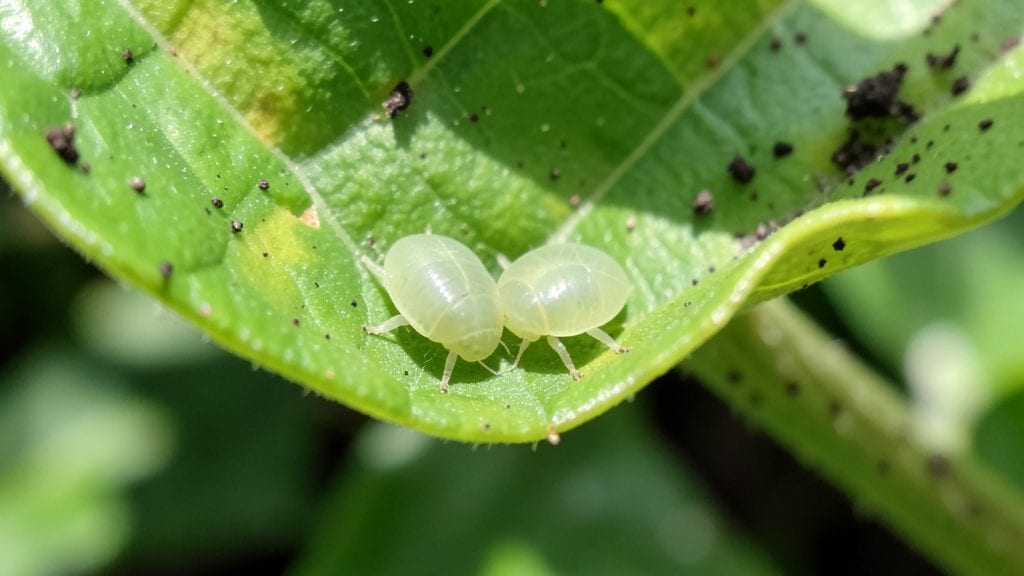
Green garden bugs are the uninvited guests ruining your harvest—aphids, slugs, and beetles that turn lush leaves into skeletonized messes. I’ve spent years testing traps that actually work without harsh chemicals, and the right setup can cut pest populations by half in just two weeks.
The problem isn’t just the bugs—it’s the cycle they create. Aphids drain sap, slugs chew holes, and beetles devour foliage, all while leaving behind sticky residue or disease.
But here’s the secret: non-toxic traps use what pests want—scent, moisture, or shelter—to trap them instead of killing them outright. No more spraying, just smarter solutions.
You’ll end up with a garden where pests get caught in simple DIY traps—yellow sticky cards for aphids, beer traps for slugs, or diatomaceous earth for beetles—while your plants stay vibrant and productive.
The best part? These methods work for vegetables, flowers, and shrubs alike, with zero harm to pollinators.
Whether you’re dealing with a sudden infestation or just want to prevent one, these traps are foolproof and adaptable to any yard size. Let’s get those bugs locked up for good.
Why it happens
Green garden bugs—whether they’re leaf-eating beetles, sap-sucking aphids, or leafhoppers—don’t just wander into your yard by accident. Their presence is a direct response to environmental cues, plant chemistry, and even human gardening habits.
Understanding these triggers helps you outsmart them before they become a problem. Let’s break down the science behind their attraction.
Healthy plants emit volatile organic compounds (VOCs) that act like invisible dinner bells to pests. When a plant is stressed—whether from drought, nutrient deficiency, or disease—it releases chemical distress signals that attract bugs looking for an easy meal.
- Drought-stressed plants: Low water levels trigger the production of jasmonic acid, a compound that lures aphids, spider mites, and leafhoppers. These pests prefer plants already weakened by thirst.
- Nitrogen deficiency: Plants low in nitrogen produce sugary sap, which aphids and whiteflies crave. Over-fertilizing with nitrogen can also backfire by making plants more attractive to soft-bodied pests.
- Diseased foliage: Fungal or bacterial infections release ethanol and other fermentation-like compounds, mimicking the scent of rotting fruit—an irresistible signal to fruit flies and certain beetles.
Actionable fix: Keep plants consistently hydrated and balanced in nutrients. Mulch to retain moisture and avoid over-fertilizing. If you spot wilting or yellowing leaves, address the root cause before pests arrive.
Many green garden pests have highly sensitive olfactory systems—they’re drawn to specific scents that mimic their natural food sources or mating signals. Here’s what’s luring them:
| Bug Type | Attracting Scent | Why It Works |
|---|---|---|
| Leafhoppers | Citrus, basil, and dill oils | These scents mimic the pheromones of their host plants, tricking them into landing. |
| Aphids | Honeydew (sugary excretions from other bugs) + fermenting fruit | Aphids follow chemical trails left by earlier pests or overripe fruit. |
| Japanese Beetles | Rose, grapevine, and raspberry foliage | They’re hardwired to seek specific plant volatiles like linalool and geraniol. |
| Fungus Gnats | Moist, decaying organic matter (compost, mulch) | They’re attracted to microbial activity, which signals breeding grounds. |
Actionable fix: Remove overripe fruit, fallen leaves, and damp mulch near plants. Use interrupting scents—like neem oil or garlic spray—to mask attractive odors.
Temperature, humidity, and wind patterns create perfect pest paradises in your garden. Green bugs thrive in:
- Warm, stagnant air: Many pests, like whiteflies and thrips, prefer humid, still conditions (70–90% humidity). They avoid dry, breezy areas.
- Sunlit spots: Leafhoppers and beetles bask in direct sunlight to regulate their body temperature, often gathering on the south or west sides of plants.
- Windbreaks: Dense hedges or fences can trap pests by reducing airflow, creating a sticky, bug-friendly zone.
Actionable fix:
- ✅ Improve airflow with strategic pruning or spacing plants 12–18 inches apart.
- ✅ Use reflective mulch (like silver plastic) to repel heat-loving bugs.
- ✅ Avoid overwatering—soggy soil increases humidity and attracts fungus gnats.
Even the best-intentioned gardening practices can accidentally roll out the welcome mat for green garden pests. Here’s how:
- Overcrowded plants: Tight spaces create high humidity and limited airflow, perfect for aphids and mites.
- Monoculture gardening: Planting large blocks of the same crop (e.g., a whole row of roses) signals to pests: “All-you-can-eat buffet ahead!”
- Ignoring weeds: Many “weeds” (like dandelions and plantain) are host plants for pests before they spread to your prized flowers or veggies.
- Using broad-spectrum pesticides: These kill beneficial predators (like ladybugs and lacewings), leaving pests unchecked.
Actionable fix:
- 💡 Space plants for airflow and interplant with pest-repelling herbs (e.g., basil near tomatoes).
- 💡 Pull weeds regularly—especially those with yellowing or spotted leaves (a red flag for pests).
- 💡 Rotate crops annually to disrupt pest life cycles.
Natural Fixes for Garden Pests
When those green garden bugs start munching on your plants, it’s time to act—but not with harsh chemicals! Here’s a pest-specific, eco-friendly guide to reclaiming your garden without harming the planet (or your veggies).
If your garden is a buffet for bugs, they’ll keep coming back. Starve them out with these simple steps:
🍃 Block Their Access
- Install row covers (lightweight fabric) over seedlings or young plants to block adults from laying eggs.
- Use copper tape around pots—it creates a mild electric barrier that deters slugs and snails.
- Mulch heavily with straw or wood chips to disrupt egg-laying sites (many pests hide in loose soil).
🌱 Grow Pest-Repellent Plants
Plant companion crops that confuse or deter bugs:
- Basil, marigolds, or nasturtiums near tomatoes to repel aphids and whiteflies.
- Garlic and chives around roses to keep Japanese beetles away.
- Dill or fennel to attract beneficial wasps that prey on cabbage worms.
💦 Remove Their Water Sources
Pests love damp spots. Drain standing water in:
- Clogged gutters
- Overwatered soil (water deeply but infrequently)
- Old cans or containers where mosquitoes breed
If you spot tiny green eggs or chewed leaves, act fast before they hatch into a full-blown infestation.
🔍 Handpick and Destroy
- Morning inspections (when bugs are sluggish) make removal easier.
- Drop eggs into soapy water—never crush them on plants (some pests release pheromones that attract more).
- Use a damp cloth to wipe off aphid clusters from stems.
🌿 Introduce Beneficial Predators
Nature’s cleanup crew is free and effective:
- Ladybugs (eat aphids)
- Praying mantises (devour caterpillars and beetles)
- Nematodes (microscopic worms that attack grubs in soil—mix with water and spray on roots).
🍂 Clean Up Debris
- Rake up fallen leaves (a hiding spot for overwintering pests).
- Remove old plant debris from beds—it’s a buffet for egg-laying bugs.
- Rotate crops yearly to starve soil-borne pests.
The best offense? A garden pests hate. Build resilience with these low-effort habits:
🌱 Soil Health = Pest Resistance
- Add compost to boost plant vigor—strong plants fend off bugs better.
- Avoid synthetic fertilizers (they weaken plants and attract pests).
- Plant native species—they’ve evolved with local bugs and often resist attacks.
🕰️ Timing Is Everything
- Plant at the right time—some pests target specific growth stages (e.g., squash bugs love young squash plants).
- Harvest promptly—overripe fruit attracts fruit flies and beetles.
- Prune regularly—dead or dying branches invite pests.
🌡️ Heat and Light Tricks
- Solarize soil (cover with clear plastic in summer to kill larvae).
- Use yellow sticky traps to catch flying pests like whiteflies.
- Plant reflective mulch (silver plastic or gravel) to disorient bugs.
If pests keep winning, try these last-resort non-toxic tools:
- Neem oil spray (disrupts insect life cycles—spray in evening to avoid harming bees).
- Insecticidal soap (for soft-bodied bugs like aphids; test on a small leaf first).
- Diatomaceous earth (food-grade powder that dehydrates crawling pests—reapply after rain).
💡 Pro Tip: Keep a pest journal—note what works (and what doesn’t) in your garden. What repels cabbage worms in your zone might fail for your neighbor!
By combining prevention, manual removal, and nature’s helpers, you’ll send those green garden bugs packing—without a single chemical. 🚫💚
Frequently asked questions
Are all green garden bugs harmful to my plants?
Not all green bugs are pests! Some, like ladybugs or lacewings, are beneficial predators that eat aphids and other harmful insects. The key is identifying them: harmful bugs (e.g., Japanese beetles or cucumber beetles) cause visible damage, while helpful ones protect your garden. Always check for chewed leaves or sticky residue first.
How do I tell if my plants have a bug problem?
Look for these red flags: yellowing leaves, holes in foliage, or sticky residue (aphid honeydew). Tiny green eggs on undersides of leaves or wilting plants are also warning signs. Early detection is key—start with yellow sticky traps or inspect leaves daily during outbreaks.
Can I use beer traps for all types of green garden bugs?
Beer traps work best for slugs and snails, not flying insects like beetles or aphids. For those, try yellow sticky traps or neem oil sprays. The beer’s scent lures slugs into drowning—place shallow dishes filled with beer near plants at night for maximum effectiveness.
Will diatomaceous earth harm my plants or pets?
Food-grade diatomaceous earth is safe for plants and pets when used correctly. Just avoid inhaling the powder (wear a mask) and reapply after rain. It dehydrates soft-bodied bugs like aphids without harming earthworms or bees. Sprinkle lightly on soil or leaves where pests hide.
How long does it take to see results with non-toxic traps?
Results vary by pest, but you’ll often see a noticeable reduction in 3-7 days with consistent trapping. For example, yellow sticky traps catch flying insects immediately, while beneficial predators (like ladybugs) take 2-3 weeks to establish. Combine methods for faster results—like traps + companion planting.