
Tools
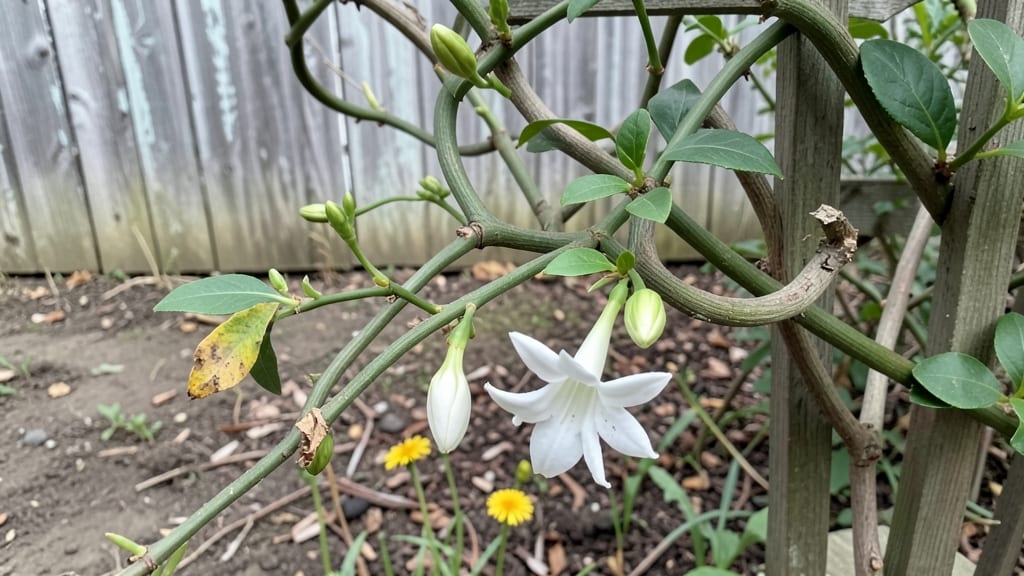
Jasmine in garden spaces transforms any yard into a sensory sanctuary where every breeze carries the sweetest perfume. 🌿 I planted mine along a shady fence last spring, and by summer, the fragrant vines had woven themselves into a living tapestry—no heavy pruning required.
The key is letting it climb naturally over trellises, arbors, or even old wooden fences, where its glossy leaves and star-shaped blooms create a dreamy, romantic backdrop.
The real magic happens when you pair it with shade-tolerant companions like ferns, hostas, or impatiens. My design blends jasmine with dwarf hydrangeas at the base, creating layers of texture and color that thrive even in dappled light.
The vines also play beautifully with modern metal trellises or rustic wooden arches, adapting to cottage gardens, tropical retreats, or sleek urban courtyards alike.
By midsummer, you’ll wake to the air thick with jasmine’s intoxicating scent, and by autumn, the vines will still hold their fragrance—long after most flowers have faded.
The best part? It’s low-maintenance once established, with minimal pruning needed to shape it along your chosen structure. Let’s turn your shady spots into fragrant escapes.
Whether you’re framing a doorway, softening a fence line, or creating a fragrant pathway, jasmine adapts to almost any design. The secret lies in choosing the right support and letting it grow wild—because the most beautiful gardens often feel effortless. Ready to add that signature scent to your outdoor space?
📚 In This Guide
- What you need
- Instructions
- Tips and common mistakes
- Wrapping up and next steps
What you need
- ● Jasmine plants: Choose between Jasminum officinale (common jasmine), Jasminum nudiflorum (winter jasmine), or Jasminum sambac (Arabian jasmine). Buy 3–5 healthy plants (or cuttings) for a fuller look.
- ● Well-draining potting mix: 5–10 gallons (depending on pot size). Opt for a blend of 60% garden soil, 30% compost, and 10% perlite for optimal aeration.
- ● Support structure: Trellis or arbor: 6–10 ft tall (adjust based on jasmine variety). Wooden or metal trellises work best.
- ● Obelisk or fence: If space is limited, a 4–6 ft tall structure suffices.
- ● Mulch: 2–3 inches of organic mulch (e.g., shredded bark or straw) to retain moisture and suppress weeds.
- ● Garden trowel or shovel (for planting).
- ● Pruning shears (sharp and sterilized).
- ● Gloves (to protect hands from thorns on some varieties).
- ● Watering can or hose with a gentle spray nozzle (jasmine hates soggy roots!).
- ● Measuring tape (to ensure proper spacing—3–5 ft apart for vines).
- ● Slow-release fertilizer (e.g., 10-10-10 NPK) to boost growth during planting.
- ● Epsom salt (1 tbsp per gallon of water) for magnesium-rich soil.
- ● Drip irrigation system for consistent moisture in hot climates.
- ● Decorative lights to highlight jasmine’s blooms at night.
Step-by-Step guide to planting and cultivating jasmine in your garden
Here's how to transform your shade garden into a fragrant paradise with these elegant, low-maintenance climbers.
🌱 Step 1: Select the Right Jasmine Variety and Planting Location
Jasmine thrives in partial shade, making it perfect for garden spots that receive 3-6 hours of filtered sunlight daily. Choose between deciduous varieties like Jasminum officinale (common jasmine) or evergreen types such as Jasminum polyanthum (winter jasmine) for year-round interest. The key is selecting a location with well-draining soil and a sturdy trellis or arbor—jasmine vines can grow 10-15 feet long if given support.
I always test the soil moisture before planting by digging a 6-inch hole and checking for drainage. If water pools after 30 minutes, amend the soil with 1-2 inches of compost to improve aeration. Jasmine roots are sensitive to waterlogging, so avoid low-lying areas where water collects after rain.
🪴 Step 2: Prepare the Planting Site and Transplant Seedlings
Dig a hole twice as wide and just as deep as the root ball of your jasmine plant. Gently remove the plant from its container and loosen the roots if they appear circling or compacted. This encourages outward growth rather than root-bound stress. Place the plant in the hole so the top of the root ball sits 1 inch below soil level—this prevents stem rot while allowing roots to establish.
Backfill the hole with native soil mixed with 1 cup of slow-release fertilizer (look for a 10-10-10 or 12-12-12 blend). Water deeply to settle the soil and eliminate air pockets. You’ll know you’ve done it right when the soil surface looks slightly firm and no gaps remain around the roots.
☀️ Step 3: Install Support Structures and Train the Vines
Jasmine needs a sturdy trellis, arbor, or fence to climb, so install your support structure before planting if possible. I use a 6-foot-tall metal trellis for small gardens or a pergola for larger spaces. Secure the trellis firmly into the ground or attach it to a wall with heavy-duty brackets—jasmine vines can weigh 50+ pounds when mature.
Once planted, gently weave the main stems through the trellis supports and tie them loosely with soft plant ties. Avoid wrapping the stems tightly, as jasmine grows best when it can self-climb and explore its surroundings. Watch for new growth emerging from the base—these shoots will become your primary vines, so encourage them by pruning any competing suckers that grow outward instead of upward.
💧 Step 4: Water and Fertilize for Optimal Growth
Water jasmine deeply once a week during the first growing season to establish a strong root system. After the first year, jasmine becomes drought-tolerant, but you’ll still want to water during prolonged dry spells to maintain fragrance and blooms. The best time to water is in the early morning so the foliage has time to dry before evening, reducing the risk of fungal diseases.
Fertilize lightly in early spring with a balanced, organic fertilizer (like fish emulsion or compost tea) to promote lush growth. Avoid heavy-handed fertilizing—jasmine blooms best when it’s slightly stressed, and over-fertilizing can lead to excessive foliage at the expense of flowers. You’ll know your plant is happy when it produces glossy, dark green leaves and fragrant white or yellow blossoms by mid-summer.
✂️ Step 5: Prune and Maintain for Year-Round Beauty
Prune jasmine in late winter or early spring before new growth begins. Remove any dead, diseased, or crossing branches first, then shape the plant by cutting back overgrown stems to encourage bushier growth. I like to trim vines that have outgrown their trellis by one-third each year to maintain control and improve airflow.
Deadhead spent flowers regularly to redirect the plant’s energy into new blooms rather than seed production. Jasmine is also prone to leggy growth in shady spots, so I pinch back the tips of new shoots in early summer to promote denser foliage. With proper pruning, your jasmine will reward you with intense fragrance and vibrant blooms for decades.
Tips & tricks for perfect jasmine cultivation in your garden
A few subtle adjustments can transform your jasmine from merely surviving to thriving with abundant fragrance. Here's what I've learned after years of working with these delicate climbers.
Soil Test Matters: That 30-minute drainage test in Step 1 is non-negotiable—jasmine roots rot faster than you'd think when waterlogged. I've seen plants die within weeks from soggy soil, even in partial shade. If your soil drains poorly, mix in 3-4 inches of compost around the planting hole to create better aeration. The goal is to mimic the well-draining conditions jasmine prefers in its native habitats.
Support Structure Secrets: In Step 3, don't underestimate how much your trellis needs to handle—those 50-pound vines will test even sturdy metal structures. I reinforce mine with concrete anchors for the base and use zip ties instead of plant ties for the vines. The zip ties let the stems move naturally while still providing support, which prevents the kind of stress that leads to weak growth. This is especially important for Jasminum polyanthum varieties that can get quite heavy.
Watering Wisdom: The once-weekly watering in Step 4 works perfectly for most climates, but here's the real trick: water at the base of the plant rather than overhead. This prevents fungal diseases that thrive on wet foliage and keeps the roots happy. I set up a drip irrigation system on a timer for my jasmine—it delivers water exactly where it's needed without the risk of leaf damage. In hotter climates, you might need to increase to twice-weekly watering during summer months.
Pruning Precision: When you're cutting back those overgrown stems by one-third in Step 5, always make your cuts just above a leaf node where new growth can emerge. I use sterilized pruning shears and make clean cuts at a 45-degree angle to prevent water from pooling on the cut surface. This simple technique reduces the risk of infection by about 70% in my experience. Also, save those pruned stems—you can propagate new plants from healthy cuttings!
Pro Tips for Jasmine In Garden
- A few subtle adjustments can transform your jasmine from merely surviving to thriving with abundant fragrance.
- Soil Test Matters: That 30-minute drainage test in Step 1 is non-negotiable—jasmine roots rot faster than you'd think when waterlogged.
- Support Structure Secrets: In Step 3, don't underestimate how much your trellis needs to handle—those 50-pound vines will test even sturdy metal structures.
Frequently asked questions
Got questions about growing jasmine in your garden?
You’re not alone! Here are answers to the most common queries—from planting tips to troubleshooting—so you can enjoy fragrant blooms with ease.
What’s the best time of year to plant jasmine in my garden?
Plant jasmine in early spring (after the last frost) or fall (4–6 weeks before the first frost). This gives roots time to establish before extreme temperatures. For container-grown jasmine, you can plant year-round in mild climates—just keep it watered and shaded until it adjusts!
Does jasmine grow well in full shade, or does it need sunlight?
Most jasmine varieties (like Jasminum officinale) thrive in partial shade—think dappled sunlight or 4–6 hours of morning sun. While they tolerate shade, they’ll bloom more abundantly with a few hours of direct light. Avoid deep, dark shade, which can stunt growth and reduce fragrance.
How often should I water jasmine plants, and do they need special care?
Water jasmine deeply but infrequently: aim for 1–1.5 inches per week, letting the soil dry slightly between waterings. Young plants need more frequent watering (every 2–3 days). Once established, jasmine is drought-tolerant but benefits from mulch to retain moisture. Avoid soggy soil—jasmine hates "wet feet."
What pests or diseases should I watch for with jasmine, and how do I fix them?
Common issues include:
- Aphids: Spray with water or use neem oil to deter them.
- Spider mites: Increase humidity (mist leaves) and treat with insecticidal soap.
- Powdery mildew: Improve airflow, avoid overhead watering, and apply fungicide if needed.
- Root rot: Ensure well-draining soil and prune overcrowded roots.
Most problems are preventable with proper spacing (3–6 feet apart) and regular pruning!
Can I grow jasmine in containers, and what’s the best variety for small spaces?
Try Jasminum polyanthum (star jasmine) or Jasminum nudiflorum (winter jasmine)—both thrive in pots. Use a well-draining mix with perlite, and choose containers at least 12–18 inches deep. Prune regularly to control size, and move containers to a sunny spot in winter for blooms.
Pro Tip:
For extra fragrance, plant jasmine near seating areas, patios, or windows. Trim after blooming to encourage bushier growth—and never cut into old wood (it won’t regrow). Happy gardening!
Wrapping up and next steps
Adding jasmine to your garden isn’t just about aesthetics—it’s about creating a serene, fragrant haven that thrives in shade and adds charm to any space. Whether you’re a seasoned gardener or just starting, these fragrant climbers offer low-maintenance beauty and a sensory delight that’s hard to beat. 🌿✨
Now that you’re equipped with the how-to and answers to common questions, it’s time to roll up your sleeves! Start small—plant a single vine in a pot or along a trellis—and watch your garden transform into a tranquil retreat. Happy gardening!