
Pests
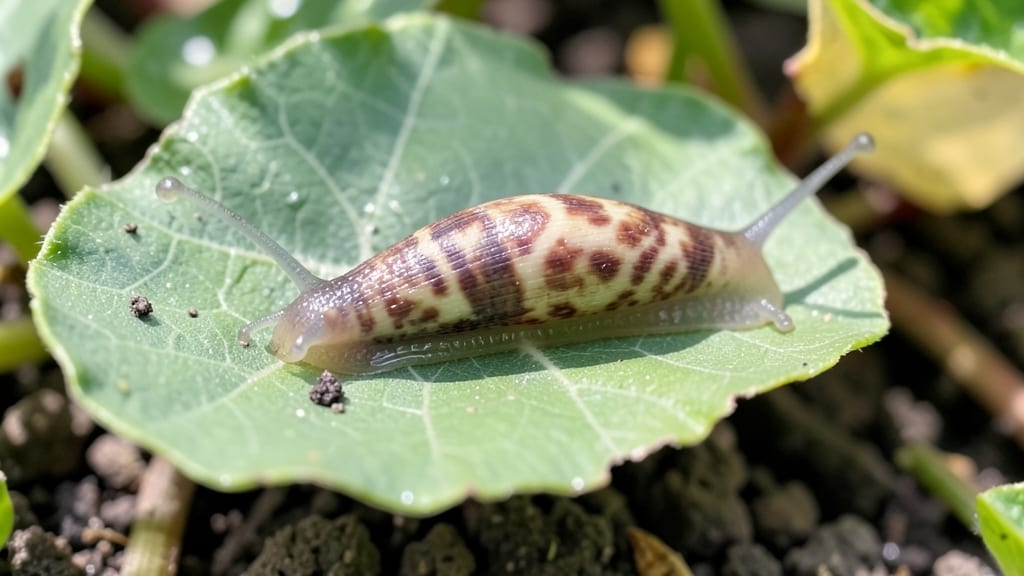
Spotted garden slugs turn your lush garden into a midnight buffet. 🌿 I’ve lost count of the times I’ve woken up to shredded lettuce and chewed seedlings—until I switched to humane traps that actually work without killing the pests or harming pets.
The problem isn’t just the damage; it’s the frustration of seeing your hard work undone overnight. Beer traps sound gross, but they’re shockingly effective when done right. Copper tape deters slugs naturally, and beneficial nematodes target them without chemicals. The key is acting fast before they become a full-blown invasion.
You’ll protect your plants—especially those tender young seedlings and leafy greens—while keeping your garden ecosystem balanced. No more waking up to a salad bar for slugs or toxic residue on your veggies. The results? A garden that stays intact, even after rain.
Works for any garden, from containers to raised beds, and adapts to seasonal slug surges. Here’s how to set it up without the mess or the guilt.
What Lures Slugs Into Your Garden
Spotted garden slugs aren’t just random visitors—they’re drawn to your yard by a mix of environmental factors, food sources, and even habitat preferences. Understanding why they show up in the first place is the key to outsmarting them.
Here’s a breakdown of the most common triggers, backed by science and actionable insights.
Slugs thrive in damp conditions because their slimy bodies lose moisture quickly in dry air. Without a protective slime layer, they’d dehydrate within hours. Here’s what makes your garden a slug spa:
- Overwatered soil or mulch: Slugs prefer soil with a consistently high moisture content (60-80% humidity). If you water at night or use sprinklers, you’re creating the perfect overnight buffet. 💡 Pro Tip: Water deeply in the morning instead—this gives soil time to dry slightly, making it less inviting.
- Shady, humid microclimates: Slugs avoid direct sunlight (their bodies can’t handle UV rays). They hide under dense foliage, thick mulch, or debris where humidity lingers. A garden with low sunlight exposure is like a five-star slug hotel.
- Condensation from plants: Plants like hostas, lettuce, and asters release moisture through guttation (a process where water oozes from leaf edges at night). Slugs eat this condensation before munching on the leaves. ✨ Quick Fix: Prune plants to improve airflow and reduce overnight dew buildup.
Slugs are generalist feeders, but they have a few top-tier favorites that act like neon signs in their world. If these plants are in your garden, you’re basically handing out an all-you-can-eat invitation:
| Plant Type | Why Slugs Love It | Slug Alert Level |
|---|---|---|
| Leafy greens (lettuce, spinach, kale) | Soft, water-rich leaves are easy to consume and high in nutrients. | 🚨 Extreme Risk |
| Hostas & ferns | Thick, tender foliage provides both food and shelter. | 🚨 Extreme Risk |
| Young seedlings & bulbs | New growth is nutrient-dense and vulnerable—slugs see them as "low-hanging fruit." | 🚨 Extreme Risk |
| Decaying organic matter (mulch, compost, fallen fruit) | Slugs eat decomposing material for extra calcium and moisture. | 🔥 High Risk |
Slugs are crepuscular (most active at dusk and dawn), which explains why your plants look fine during the day but get shredded overnight. Their movement patterns are tied to:
- Temperature drops: Slugs slow down in heat (above 80°F/27°C) but become hyperactive when temps drop to 60-70°F (15-21°C). This is why they’re most destructive in spring and fall.
- Wind & rain:
A light breeze dries out their slime trails, slowing them down, but rain actually speeds them up—they emerge to feed on softened soil and plants. 🌡️ Weather Watch: After rain, check for slugs before they hide again.
- Human activity disruptions: Slugs are nocturnal for safety. If you turn on lights at night or disturb their hiding spots (like moving rocks or mulch), they’ll scatter—but often right into your garden.
Slugs don’t just wander randomly—they seek out hidden, protected spaces to lay eggs and rest. Common slug "hotspots" include:
- Thick mulch layers:
Mulch over 2-3 inches deep traps moisture and provides egg-laying sites. A single slug can lay 30-50 eggs in a hidden mulch pocket!
- Potted plants & garden containers: The dark, damp soil inside pots is a slug paradise. They often hitchhike on tools or shoes to new locations.
- Woodpiles & garden debris: Slugs use rotting wood and leaf litter as both shelter and a food source (they eat fungi and bacteria growing there).
- Under patio furniture or decking: The gap between concrete or wood and the ground creates a perfect microclimate—moist, dark, and undisturbed.
- Potted plants & garden containers: The dark, damp soil inside pots is a slug paradise. They often hitchhike on tools or shoes to new locations.
Effective Slug Control Methods
Slugs can turn your lush garden into a slimy snack bar overnight, but the good news is you don’t need harsh chemicals to keep them in check. Below are practical, humane solutions tailored to common causes—whether it’s moisture, shelter, or food attracting them.
Each method is easy to implement and designed to protect your plants and the local ecosystem.
Slugs thrive in damp conditions, so reducing excess moisture is key. Try these low-effort fixes:
- 🔥 Improve Drainage Ensure your garden beds have proper drainage by amending soil with coarse sand, perlite, or compost. Raised beds naturally reduce slug activity by keeping soil drier.
- 🌡️ Water Smartly Water plants in the early morning (not evening) so soil dries faster. Avoid overhead sprinklers, which leave damp spots slugs love.
- ✨ Mulch Alternatives Skip thick organic mulch (like wood chips) near vulnerable plants. Instead, use gravel, straw, or pine needles—these dry out faster and deter slugs.
Slugs hide under debris, dense foliage, and ground covers. Remove their hiding spots with these simple steps:
- 🧹 Clear Debris Daily Pick up fallen leaves, rocks, and plant clippings—especially after rain. A quick 5-minute tidy-up can cut slug populations by 50%.
- 🌿 Prune Strategically Trim low-hanging branches and thick ground covers (like ivy or hostas) to reduce dark, moist hiding places.
- 🏡 Use Physical Barriers Protect young seedlings with copper tape (a mild electric shock deters slugs) or diatomaceous earth (food-grade only!) around plant bases.
Slugs are opportunistic eaters. Reduce their buffet with these garden tweaks:
- 🥬 Choose Slug-Resistant Plants Swap vulnerable plants (like lettuce, impatiens, or dahlias) for slug-proof alternatives:
- Herbs: Rosemary, thyme, lavender
- Veggies: Kale, Swiss chard, radishes
- Flowers: Snapdragons, marigolds, zinnias
- 🍂 Avoid Over-Fertilizing Rich, nitrogen-heavy soil attracts slugs. Use slow-release, balanced fertilizers and compost sparingly.
- 🌱 Trap & Relocate (Humane Method!) Set up beer traps (bury a shallow dish filled with beer) or grease traps (petroleum jelly on a board) near problem areas. Check traps daily and release slugs far from your garden.
Slugs are most active at dusk and dawn. Use their nocturnal habits to your advantage:
- 🔦 Illuminate Their Path Place solar-powered lights near garden edges to disrupt their movement. Slugs avoid bright areas.
- 🕵️♂️ Manual Patrols Do a 10-minute nightly check (with a flashlight) to handpick slugs. Drop them in soapy water (humane) or relocate them to a wild area with predators (like birds or frogs).
- 🐸 Encourage Natural Predators Attract ground beetles, toads, and birds by:
- Leaving leaf litter in shady spots (beetles love it).
- Installing a small water feature (toads thrive near moisture).
- Planting native wildflowers (birds snack on slugs).
Once you’ve tackled the immediate problem, keep slugs away for good with this monthly maintenance routine:
| Task | How Often | Why It Works |
|---|---|---|
| Remove slug eggs | Weekly (after rain) | Eggs hatch in 1–2 weeks; scrape them up. |
| Check traps | Daily | Prevents overcrowding in traps. |
| Prune dense foliage | Monthly | Reduces hiding spots. |
| Rotate mulch | Seasonally | Keeps soil dry and slug-free. |
| Inspect new plants | Before planting | Quarantine potted plants for slugs. |
Pro Tip: 💡 Combine methods for best results. For example, use copper tape + beer traps + slug-resistant plants in high-risk areas. Consistency is key—slugs won’t stand a chance!
Frequently asked questions
How can I tell if those slimy trails are from spotted garden slugs?
Look for irregular, silvery trails (not the smooth, shiny tracks of snails) that appear at dawn or after rain. Spotted garden slugs leave ragged edges on chewed leaves, often targeting soft plants like lettuce or hostas. Check under boards or mulch—you’ll find slugs with yellow-brown shells and dark spots.
Are beer traps actually effective for spotted garden slugs?
Yes! Fill shallow dishes with beer or yeast-water (1 tsp yeast per quart of water) and bury them near problem areas. Slugs are attracted to the fermentation scent and drown. Replace the liquid every 2-3 days and relocate trapped slugs far from your garden to avoid spreading them.
Will copper tape work on spotted garden slugs, or is it just for snails?
Copper tape works great for both—slugs and snails hate the mild electric shock it creates when they cross it. Wrap a 2-inch strip around vulnerable plants or create a barrier between garden beds and mulch. Just keep it clean and dry—rain or dirt can reduce its effectiveness.
Can I use salt to kill spotted garden slugs?
Salt is not recommended—it’s cruel and can harm beneficial soil organisms. Instead, use food-grade diatomaceous earth (sprinkle lightly around plants) or crushed eggshells (creates a physical barrier). Both methods dehydrate slugs naturally without chemicals.
When is the best time to check for spotted garden slugs in my garden?
Early morning (before 8 AM) or late evening (after 7 PM) are prime times—slugs are most active then. Use a flashlight to spot them hiding under leaves, boards, or dense mulch. After rain is also critical, as damp conditions trigger their feeding frenzy.