
Tools
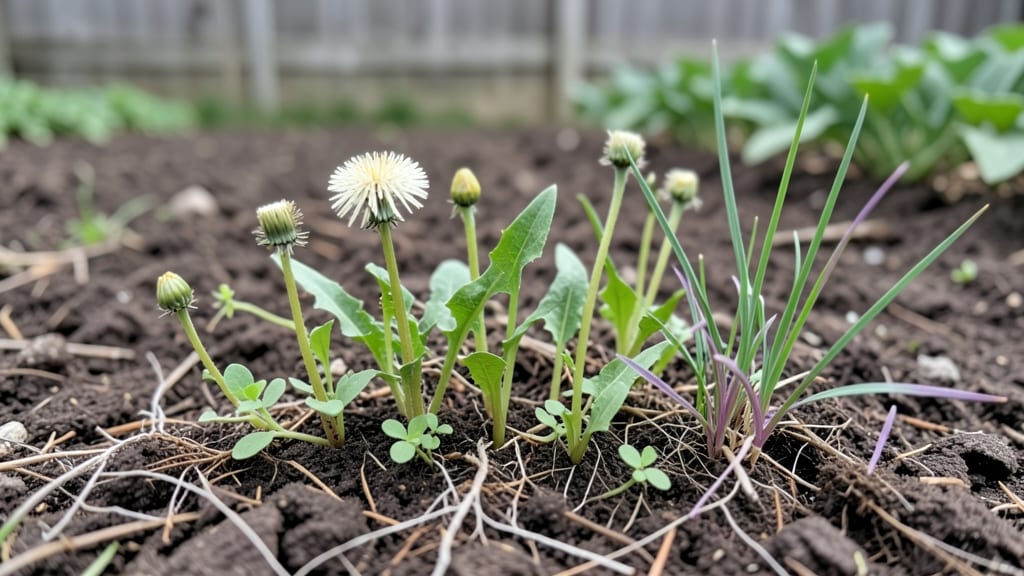
Weed seedlings can turn your garden from lush to overrun faster than you'd think. 🌱 I used to spend hours yanking them by hand—until I discovered the right tools and timing make this job almost effortless.
The secret isn't brute force but precision, especially when those tiny sprouts are just breaking the surface.
Most gardeners focus on mature weeds, but seedlings are where the real battle begins. A simple hula hoe or weeding knife glides through soil, slicing roots cleanly without disturbing nearby plants.
I now tackle them in 10-minute sessions before they grow more than 2 inches tall—it’s the difference between a clean bed and a never-ending chore.
You’ll see results immediately: fewer weeds mean healthier soil, more space for your plants, and less time spent bent over. The key is consistency—check your beds weekly during spring and fall, when weeds germinate most aggressively. This method works for vegetable gardens, flower beds, and even container edges.
For stubborn patches, a vinegar spray (3% acetic acid) or boiling water kills seedlings on contact without chemicals. Just avoid spraying desirable plants—vinegar’s acidity can harm them too. The goal isn’t perfection but progress, and these tools help you win the war before it starts.
The Hidden Triggers Behind Unwanted Sprouts
Every gardener knows the frustration of spotting tiny garden weed seedlings popping up where they don’t belong. While it might seem like a random act of nature, these unwanted sprouts are actually the result of specific conditions—some natural, others human-made.
Understanding the root causes (literally!) is the first step to preventing them. Let’s break down why these pesky plants keep showing up.
Most weed seedlings don’t magically appear—they’ve been waiting in your soil for the right moment. Many weeds, like crabgrass, chickweed, and dandelions, produce thousands of lightweight seeds that spread easily via wind, water, or even garden tools.
Once these seeds land in your soil, they can remain dormant for years until conditions become favorable.
Why it happens:
- Seed banks: Undisturbed soil can harbor seed banks—layers of viable seeds from past seasons. A single dandelion can release up to 200 seeds per plant, and some weeds (like purslane) can survive 50+ years in dormancy.
- Light exposure: Many weed seeds need sunlight to germinate. When you till or loosen compacted soil, you’re essentially giving them the green light (pun intended) to sprout.
- Moisture triggers: A good rain or overwatering can wake dormant seeds. Some, like plantain, germinate best in cool, moist conditions, while others (like pigweed) thrive in warm, damp soil.
Actionable fix: If your soil is a seed time bomb, consider solarization (covering soil with clear plastic for 4–6 weeks in hot weather) or smothering with thick mulch to block light. For immediate relief, hand-pull seedlings before they seed—even a 1-inch sprout can become a prolific producer.
Weeds love moisture almost as much as your prized tomatoes. While some plants wilt in soggy conditions, many weeds—especially annuals like lambsquarters—thrive in consistently damp soil. Poor drainage or overzealous watering creates the perfect nursery for weed seedlings to take root and multiply.
Why it happens:
- Excess moisture: Weeds like nutgrass and marsh pennywort actively seek out wet areas. Their seeds germinate quickly in moist soil, giving them a head start over slower-growing plants.
- Compacted soil: Heavy clay or tightly packed soil prevents water from draining properly, creating pockets of saturation where weed seeds germinate.
- Irrigation habits: Sprinklers that wet sidewalks or driveways can deposit weed seeds from elsewhere onto your garden beds. Even drip irrigation leaks can create localized moisture hotspots.
Actionable fix:
- Improve drainage by amending soil with compost or perlite to loosen texture.
- Avoid overhead watering—use drip lines or soaker hoses to target plant roots directly.
- Water deeply but infrequently to encourage deep root growth in your plants (and discourage shallow-rooted weeds).
Weeds are opportunists—they fill gaps where grass, mulch, or plants aren’t holding down the soil. Every time you till, rake, or even walk on garden beds, you’re creating the perfect conditions for weed seeds to germinate.
Why it happens:
- Tilling exposes seeds: Turning soil brings dormant seeds to the surface, where they get sunlight and moisture. Some weeds, like bindweed, can even regrow from root fragments if disturbed.
- Bare spots invite weeds: Areas without mulch, ground cover, or plants leave soil vulnerable. Weeds like clover and creeping charlie spread rapidly in these open spaces.
- Erosion and wind: Loose soil can blow or wash away, exposing fresh seed beds. Even a light breeze can carry weed seeds from your compost pile or neighboring yards.
Actionable fix:
- Replace tilling with no-dig gardening—top-dress with compost instead of turning soil.
- Use mulch (straw, wood chips, or cardboard) to block light and smother weeds.
- Plant dense ground covers like creeping thyme or clover to outcompete weeds naturally.
Ironically, the same rich soil that helps your vegetables thrive can also be a buffet for weeds. Many weeds, especially broadleaf types like plantain and purslane, are highly adaptable and grow aggressively in nutrient-dense environments.
Why it happens:
- High nitrogen levels: Weeds like chickweed and henbit respond quickly to nitrogen, which is often overapplied in fertilizers or compost. They outcompete slower-growing plants for this resource.
- Organic matter buildup: Fresh compost or manure can contain weed seeds. Even "weed-free" compost bags might include dandelion or cheatgrass seeds.
- Disturbed organic layers: When you add compost or mulch, you’re also introducing seeds from decomposed plant material.
Actionable fix:
- Use aged compost (6+ months old) to reduce viable weed seeds.
- Balance fertilizers with slow-release options (like worm castings) to avoid nitrogen spikes.
- Apply corn gluten meal in early spring—a natural pre-emergent that suppresses weeds while adding nitrogen.
Weed seedlings aren’t just a nuisance—they’re a symptom of underlying conditions in your garden. By addressing the root causes (literally), you can create an environment where your desired plants thrive—and unwanted sprouts stay in check. The key? Stay proactive, not reactive.
Beat Back Weed Seedlings Fast
Now that you understand why those pesky garden weed seedlings keep popping up, it’s time to tackle them before they take over. The good news? With the right approach, you can reclaim your garden in minutes—no harsh chemicals required.
Below, we’ve mapped out practical, cause-specific solutions to stop weeds in their tracks, plus prevention tips to keep your soil clean long-term.
Best for: Small patches, young seedlings, or when you want to avoid chemicals.
How to do it: 👩🌾 Step 1: Choose the Right Time Pull weeds when the soil is moist but not muddy (early morning or after rain). Dry soil makes seedlings brittle, while soggy soil clumps around roots, making them harder to remove.
🔪 Step 2: Grab the Right Tools
- Garden gloves (to protect your hands from prickly stems).
- A small hand trowel or weed popper (for leverage—especially for stubborn roots).
- A bucket of soapy water (to rinse off debris and kill any lingering weed parts).
🌱 Step 3: Pull with Precision - Grip the seedling at the base, just below the soil line. - Wiggle gently to loosen the roots—don’t yank! A sharp tug can snap the stem, leaving the root behind to regrow. - Check for taproots (like dandelions).
If you see a long, thick root, dig deeper to remove it entirely.
⏰ Step 4: Dispose Properly
- Compost only if the weeds are seed-free (e.g., chickweed, lamb’s quarters). If they’ve gone to seed, trash them to prevent reseeding.
- Soak weeds in soapy water for 24 hours before composting to kill any hidden seeds.
Best for: Driveways, walkways, or areas where hand-pulling is tedious.
How to do it: 🔥 Step 1: Boil Water Fill a kettle or large pot with water and bring it to a rolling boil.
👨🍳 Step 2: Target the Seedlings
- Pour the boiling water directly over the weeds (avoid desirable plants—this method is not selective).
- For larger areas, use a pressure washer on the "soil and weed" setting (set to 1,500–2,000 PSI).
🌱 Step 3: Repeat as Needed Weeds may regrow if roots survive. Reapply every 2–3 days for stubborn patches.
✨ Pro Tip: This method works best on young seedlings—older weeds with thick roots may need multiple treatments.
Best for: Garden beds, flower patches, or anywhere you want to stop weeds before they start.
How to do it: 🌿 Step 1: Choose Your Mulch
- Organic mulches (straw, wood chips, shredded leaves): Break down over time, improving soil.
- Inorganic mulches (landscape fabric, gravel): Last longer but don’t enrich soil.
👩🍳 Step 2: Apply Correctly
- Spread mulch 2–4 inches thick over weed-free soil (pull existing weeds first!).
- Leave a small gap around tree trunks to prevent rot.
🔄 Step 3: Refresh Seasonally
- Top up organic mulch as it decomposes (spring and fall are ideal).
- Check for weeds sneaking through—mulch isn’t foolproof!
💡 Pro Tip: Cardboard or newspaper under mulch blocks light and smothers weeds before they sprout.
Best for: Cracks in pavement, small weed hotspots (not ideal for gardens with edible plants).
How to do it: 🍶 Step 1: Mix Your Solution
- Vinegar method: 1 gallon white vinegar (20% acetic acid) + 1 cup salt + 1 tbsp dish soap (lowers surface tension).
- Salt method: Rock salt or Epsom salt sprinkled directly on weeds (best for driveways).
🔪 Step 2: Apply Precisely
- Spray vinegar solution on weeds (avoid desirable plants—vinegar kills everything it touches).
- Water the area first to help absorption.
- Reapply every 2–3 days for stubborn weeds.
⚠️ Warning: These methods kill surrounding plants and soil microbes. Use only in non-garden areas or as a last resort.
Best for: Large areas, vegetable beds, or when you’re tired of pulling.
How to do it: 🛏️ Step 1: Cover the Area
- Use black plastic sheeting, cardboard, or thick layers of newspaper.
- Weigh down edges with rocks or bricks to prevent wind from lifting it.
☀️ Step 2: Let It Bake
- Leave covered for 4–6 weeks in sunny weather. The heat will kill existing weeds and prevent new seeds from germinating.
🌱 Step 3: Remove and Plant
- Once the area is weed-free, remove the covering and plant as usual.
💡 Pro Tip: Solarization (using clear plastic in hot sun) speeds up the process by raising soil temps to 120°F+.
Stop weeds before they start with these easy habits:
| Prevention Tip | How to Do It |
|---|---|
| Improve soil health | Add compost or organic matter to crowd out weed seeds. |
| Use pre-emergent herbicides | Apply corn gluten meal (natural pre-emergent) in early spring. |
| Plant densely | Fill garden beds with ground covers or thick plantings to block light. |
| Water deeply and less often | Encourages deep roots in your plants, making them more competitive. |
| Inspect new soil | Sift purchased soil for weed seeds before adding to garden beds. |
| Keep garden tools clean | Disinfect pruners and shovels with rubbing alcohol to avoid spreading seeds. |
Weed seedlings won’t disappear overnight, but with a mix of pulling, smothering, and prevention, you’ll see a dramatic drop in new growth within weeks. Pick one method that fits your garden style and stick with it—your future self (and your plants) will thank you! 🌿✨
Frequently asked questions about managing garden seedlings
How can I tell if a tiny sprout is a weed or a desirable plant?
Check the leaf shape and growth pattern: weed seedlings often have jagged edges (like chickweed) or narrow leaves (grass-family weeds). Compare them to your planted seeds—most veggies have smooth, rounded leaves. If unsure, wait 24 hours—weeds grow faster than many garden plants.
What's the best time of day to pull weed seedlings?
Early morning works best when soil is damp but not soggy. The moisture helps loosen roots, and cooler temps prevent wilting. Avoid midday heat—it stresses plants and makes pulling more difficult. A 10-minute session after rain is ideal for maximum effectiveness.
Will mulch prevent all weed seedlings from growing?
No mulch is 100% foolproof—some persistent weeds (like bindweed) can push through. Organic mulches (straw, wood chips) are best—they break down and suppress weeds by blocking light. For maximum results, apply 3-4 inches thick over weed-free soil and refresh seasonally.
Can I use vinegar to kill weed seedlings in my vegetable garden?
Only as a last resort—vinegar's acidity kills everything it touches. For targeted treatment, mix 1 gallon white vinegar (20% acid) + 1 cup salt + 1 tbsp dish soap and apply carefully. Never spray edible plants or near them—it can damage roots and beneficial soil microbes.
How often should I check for new weed seedlings?
During active growing seasons (spring-fall), inspect your garden weekly. Weed seeds germinate quickly—catching them at the 1-inch stage is easiest. In winter, monthly checks prevent dormant seeds from sprouting when conditions warm up. Consistency is key!